Business Wire India
New Aluminium Smelters and Downstream Industries to boost Secondary Aluminium Market in the GCC
Edited by : AL CIRCLE
3 min read
Globally, Middle East and North Africa (MENA) has been a major exporter of its primary Aluminium production. The Aluminium industry, specifically in the Gulf Cooperation Council (GCC) is one of the key sectors driving the economy and contributes significantly to the primary aluminium growth in MENA. One of the key trends identified over time, has been the development of new aluminium smelters and expansion of existing smelters coupled with parallel development of downstream industries in the region. This has led to an increase in the scope of using more of Aluminium scrap in re-melting activities for downstream players by procuring the right alloy grade, recycling and thereby saving cost. According to Frost & Sullivan, the Aluminium Scrap and Recycling Market in the GCC was estimated at 292,281 Metric Tonnes in 2010 and is expected to reach 593,434 Metric Tonnes in 2017 at a Compound Annual Growth Rate (CAGR) of 10.6 per cent between 2010 and 2017.
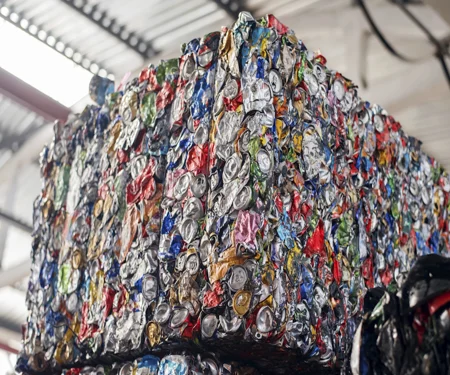
The aluminium recycling market is at a nascent stage in the GCC, as it is predominantly an export driven market. Moreover, the aluminium downstream industry is yet to establish itself as a major scrap procurer in this region. The current market volume for aluminium scrap in the GCC is growing. It gets 35-40 per cent from Used Beverage Can scrap (UBC), 30-35 per cent from Door and Windows Scrap while other scrap types are Engine Scrap (TENSE) at 11 per cent, Wheel Scrap (TROMA) at 5 per cent, Sheet Scrap (Taint and Tabor) at 4 per cent, Cable Scrap (Talon) and other type of mixed alloy Scraps constituting about 5-7 per cent. The aluminium re-melting facilities that consume the scrap and form alloy grades based on customer requirements are majorly present in the UAE, Bahrain and KSA with few key players in the rest of the region.
Considering, the region is a global player in aluminium production and a valuable source of export revenue apart from serving the booming domestic market, the GCC has planned development of new aluminium smelters in KSA and expansion of existing smelters into Phase 2 commissioning in Qatar, the UAE, Oman and Bahrain.
“The GCC is one of the fastest growing aluminium markets in the world. With the development of new smelters and expansions, more secondary re-melting opportunities will arise. Downstream players are moving towards the scrap recycling market in order to reduce significant energy costs and be efficient operationally to cut input costs and reduce the carbon footprint. These are some of the factors driving growth in the aluminium recycling industry in the region. Additionally, the emergence of the packaging industry, growth in automotive, construction and consumer sectors in the GCC are expected to further drive the aluminium scrap generation. Frost & Sullivan therefore anticipates the secondary aluminium market in the GCC to be a key contributor to the recycling industry and create huge employment opportunities in the next 10 years”, said Frost & Sullivan Metals and Minerals Analyst.
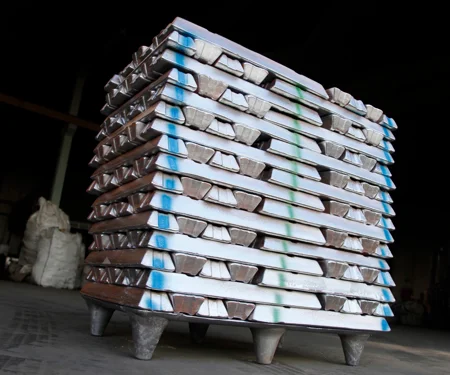
Frost & Sullivan’s recent study on the Aluminium Scrap and Recycling Market in the GCC indicates that the individual aluminium re-melting facilities play a huge role in converting aluminium scrap and making secondary alloy ingots based on customer requirements. In addition, as major scrap recyclers look at more export opportunities, downstream players are left with limited sources of scrap in the region. Frost & Sullivan recommends implementation of new export policies so that the scrap generated in the GCC is used within the region for better energy utilization and to obtain economies of scale.
Previous article
Rumpke recycling facility awarded fund for rebuilding
Next articleSainsbury’s boosts its recycling facilities
Grow with
AL Circle