guardian.co.uk
Mozal smelter benefited foreign interests more than the people of Mozambique, say campaigners
Edited by : AL CIRCLE
3 min read
Tax campaigners are calling on Britain, the World Bank and private investors to return "excessive" profits from a flagship aluminium smelting project in Mozambique started as part of a recovery programme after the country's civil war in the early 1990s.
According to a report by Jubilee Debt Campaign in the UK, the Tax Justice Network and Justica Ambiental (Friends of the Earth Mozambique), the Mozal smelter – the biggest private-sector project investment in the former Portuguese colony – has benefited foreign interests much more than the people of Mozambique.
The report calculates that foreign investors, governments and development banks have received an average of $320m (£199m) a year from the smelter, in contrast to the Mozambique government's $15m. In other words, for every $1 paid to the Mozambique government, $21 has left the country in profit or interest to foreign governments and investors.
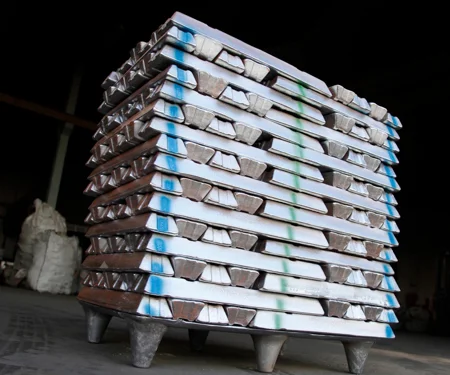
The Mozambique government and development institutions saw Mozal as a catalyst for foreign investment to rebuild a shattered country. The project, a smelting facility to produce aluminium for export, was the first major foreign investment project in the country.
To attract foreign investors, the Mozambique government exempted Mozal from taxes on profit and VAT, levying only a 1% turnover tax, while allowing all profit from the smelter to be taken offshore. BHP Billiton, the mining group, owns 47% of Mozal, while Japan's Mitsubishi owns 25%. The other two equity investors are the Industrial Development Corporation of South Africa (24%) and the government of Mozambique (4%). Mozal began operating on the outskirts of Maputo, the capital, in 2000, followed by an extension – Mozal II – in 2003-04.
The project is responsible for 30% of the country's official exports, and uses 45% of the electricity produced in Mozambique. In all, $2.2bn was invested to build Mozal, half from equity investors and half from loans from development institutions including the World Bank's private-sector arm, the International Finance Corporation (IFC), the EU's European Investment Bank and the Commonwealth Development Corporation (CDC), the UK's development finance institution.
BHP Billiton made an average profit from the smelter of $114m a year between 2005-06 and 2011-12, more than seven times the sum made by the Mozambique government. In a response to the report, BHP said Mozal has made a significant contribution to Mozambique in the past decade. It said Mozal trained thousands of workers and that 93% of its employees are now from Mozambique.
The World Bank sees Mozal as a positive contribution to Mozambique's economy, saying it tripled the country's exports and added more than 7% to GDP in its initial years of operation and an estimated 10% in 2001.
IFC said it supported Mozal to send a signal about the long-term investment prospects in a country emerging from civil war. "[The project's] impact extends well beyond the direct benefits to investors," said an IFC spokesman. "The project provided significant infrastructure development and tens of thousands of direct and indirect jobs. Mozal helps domestic small and medium enterprises gain the skills and technical capabilities they need to compete effectively, and in a sustainable way, for large contracts in a number of important industries."
Previous article
AMG consolidates its global aluminum operations into one centralized unit
Next articleControversies erupt in Nigeria over AlSCON's Assets and Ownership
Grow with
AL Circle