Modern aluminium recycling advances through new processing technologies: GME among industry contributors
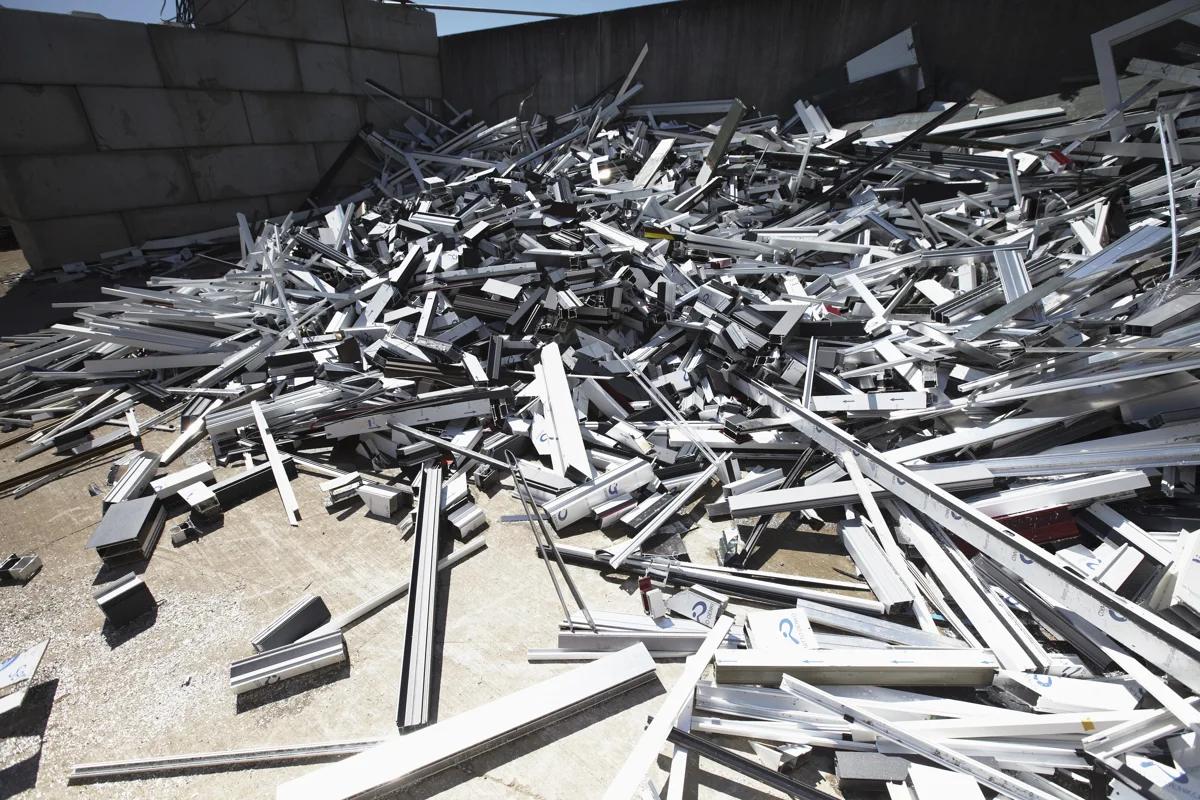
Stock image for referential purposes only
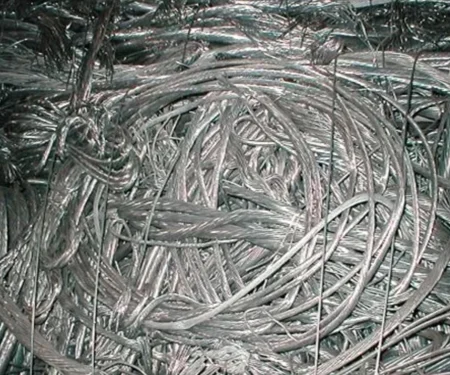
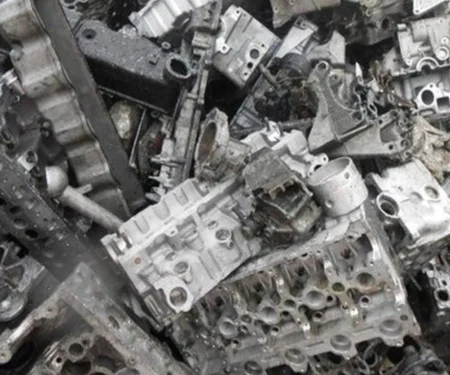
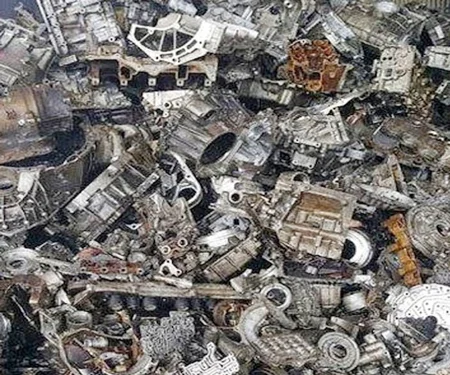
Recycling non-ferrous metals like aluminium, lead, and plastics is becoming more important because it reduces the need for raw materials, improves recovery, and supports circular production. Aluminium recycling is especially valuable because it uses much less energy than primary aluminium production and helps cut emissions while supplying material to construction, transport, packaging, and engineering. Modern recycling plants use mechanical separation, shredding, decoating, melting and casting technologies to improve metal recovery and reduce waste.
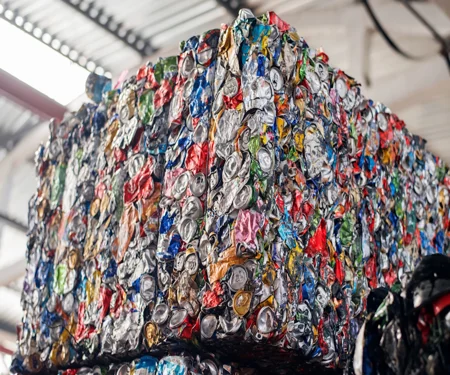
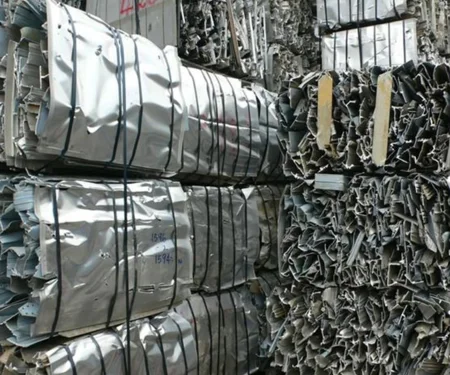
Italian engineering company GME Technology (Gianni Mori Engineering) designs recycling plants for aluminium scrap, used lead-acid batteries and plastic recovery, with a major focus on aluminium processing equipment. Its systems are used to recover aluminium from used beverage cans (UBCs), extrusion profiles, sheet scrap and other aluminium waste before returning the metal to production.
One of the company's key aluminium technologies is its decoating and delacquering plant, which removes paint, oil, grease and plastic from aluminium scrap through a pyrolytic process. The organic material is reused as fuel during treatment, reducing natural gas consumption, lowering dross formation and shortening recycling time. GME says the process also minimises oxidation, helping achieve metal recovery rates close to those obtained from clean aluminium.
The company also supplies shredding and sorting systems capable of processing aluminium profiles up to seven metres long, along with sheet and household aluminium scrap. Low-speed cutting technology reduces dust generation, while eddy-current separation removes plastics, rubber and paper from the recovered metal.
Explore: The most comprehensive and forward-looking industry-focused report “ALuminium Dross Processing: Generation, Recovery & Strategic Roadmap”
For the melting stage, GME manufactures static, tilting and rotary furnaces equipped with regenerative burners, exhaust gas recycling and pollution-control systems. The plants include casting units for aluminium ingots and billet production, along with gas treatment systems that reduce emissions such as hydrochloric acid, sulphur oxides, hydrogen fluoride, and dioxins.
Gianni Mori Engineering has introduced the "Ventiduedenti" shredder for aluminium scrap recycling. The machine is designed to process a wide range of aluminium scrap, including long profiles and mixed materials. It features a new rotor with 22 hardened steel blades, modular hydraulic drive technology and an upgraded feeding system aimed at improving cutting efficiency, reducing energy consumption and lowering maintenance requirements.
Beyond aluminium, the company also develops recycling plants for used lead-acid batteries, where gravity-based separation systems recover polypropylene, polyethylene, lead paste and lead alloys before refining. Its lead refining technology can produce lead with purity up to 99.985 per cent. The same systems also recover plastic components and residues for reuse, and GME makes hammer mills and industrial shredders that improve scrap-processing efficiency while lowering maintenance needs and energy use.
Aluminum Association calls for comprehensive strategy to strengthen US aluminium supply chain
Next articleGermany’s aluminium scrap exports rise 8.8% in Q1 2026 amid weak domestic demand and overseas pull: What does the trend reveal?
Grow with
AL Circle