Middle East tensions push Japan’s aluminium prices higher as Gulf imports fall 13%
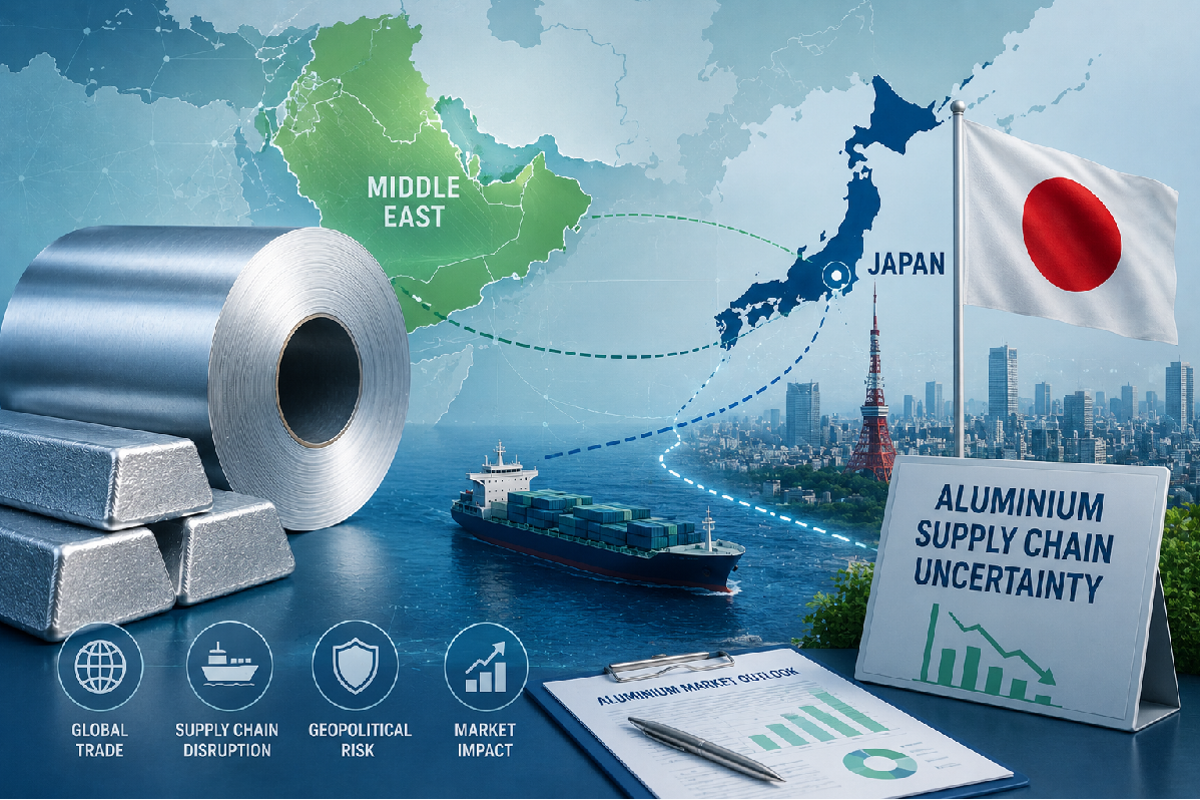
The image used in this article is generated with an AI tool and does not depict any real-time moment
Japan’s aluminium market is facing growing uncertainty as escalating tensions in the Middle East begin disrupting one of the country’s most critical supply routes for the metal. For years, Japan has relied heavily on Gulf producers such as the United Arab Emirates and Saudi Arabia, with the region supplying around 20 per cent of the country’s raw aluminium imports thanks to its low electricity costs and large-scale smelting capacity.
But the worsening crisis around the Strait of Hormuz is now exposing the risks of that dependence.
The effective blockade of the waterway has disrupted bauxite and aluminium supply chains across the region, forcing some smelters in countries such as Qatar and Bahrain to reduce operations. Adding to the pressure, Emirates Global Aluminium PJSC - one of the Middle East’s largest aluminium producers - suffered extensive damage following an attack in late March and is expected to require up to a year for a full recovery.
The disruption is already showing up in trade flows. According to Japan’s Finance Ministry trade statistics, imports of raw aluminium from the Middle East fell by 13.1 per cent month-on-month in March.
Prices surge as Japan searches for alternative supply
As supply tightens, aluminium prices are climbing rapidly. On the London Metal Exchange, the benchmark three-month aluminium futures contract reached USD 3,685 per tonne on May 29, up around 16 per cent from levels seen before the United States and Israel launched attacks on Iran.
Japanese companies are now actively exploring alternative suppliers, particularly Australia and India, as concerns grow over future availability of aluminium and specialised alloys.
The country’s automobile industry is viewed as one of the most exposed to the disruption because of its heavy dependence on imported aluminium and alloy supplies from the Middle East. Based on 2024 UN Comtrade data, Japan remains the most reliant on the region among the world’s five largest aluminium importers.
Competition for available cargoes is also intensifying. Premiums paid by Japanese buyers above LME prices for April-June shipments jumped to USD 350-353 per tonne from USD 195 in the previous quarter. Buyers are now bracing for another difficult round of negotiations for July-September shipments, especially as premiums in Europe and the United States remain even higher.
Despite the growing uncertainty, the Japan Aluminium Association said there would be “no immediate impact” on production activities among its member companies.
Explore- Most comprehensive and forward-looking industry-focused report — Global Bauxite & Alumina Market Forecast to 2036: Supply–Demand, Trade Flows & Price Outlook
Manufacturers begin passing higher costs to customers
With aluminium prices continuing to rise, Japanese manufacturers are increasingly moving to transfer the additional costs to customers.
UACJ Corp., one of Japan’s largest aluminium producers supplying automotive parts, beverage cans and construction materials, indicated that higher metal prices would be reflected in product pricing. “We will generally pass on increases in metal prices to that of our end products,” UACJ President Shinji Tanaka said.
Some companies have already implemented price hikes. Nippon Fruehauf Co., a manufacturer of truck beds and trailers based in Kanagawa Prefecture, raised product prices by around 15 per cent from April 20. Meanwhile, MA Aluminum Corp. plans to increase prices across all products, including aluminium sheets and foil, for shipments beginning July 1.
Analysts warn the pressure may continue even if geopolitical tensions eventually ease. “Even after the situation in the Middle East stabilises, it will take time to restore infrastructure and resolve supply constraints,” said Naohiro Niimura, co-representative of Market Risk Advisory Co.
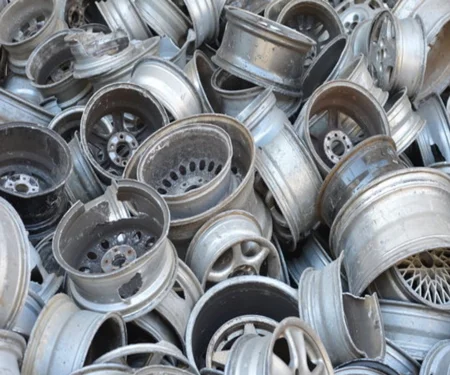
If aluminium prices remain elevated, the impact could spread across a broad range of consumer products, including beverage cans and aluminium wheels, adding further cost pressure across Japan’s manufacturing sector and consumer markets.
Participate in our upcoming e-Magazine - Mine to Market: ALuminium Producers & Manufacturers 2026

Kenanga raises Press Metal’s earnings outlook and target price on a stronger aluminium market
Next articleLME aluminium offer price rises 0.69% to $3,795.5/t on June 1, while opening stock remains steady at 338,000t
Grow with
AL Circle