Maruti Suzuki relies on BYD technology for its first mass market EV
India’s leading carmaker, Maruti Suzuki, is finally stepping into the electric spotlight. And, it’s doing so with a little international collaboration.
Maruti Suzuki India has chosen battery packs from China’s BYD Auto for its first mass-market electric vehicle, marking an interesting new chapter in its decades-long story of localisation and affordability.
For years, Maruti built its empire by keeping things close to home — deep localisation, cost discipline, and products tailored precisely for Indian roads and wallets. But the EV game is different. Speed, scale and technology matter more than ever, and batteries are the heart of that equation.
For the global aluminium value-chain 2026 outlook, book our exclusive report “Global ALuminium Industry Outlook 2026"
Enter BYD’s Blade battery technology, known globally for its safety and durability. By sourcing these advanced lithium iron phosphate (LFP) battery packs, Maruti is effectively fast-tracking its electric ambitions. Instead of spending years building battery capabilities from scratch, the company is plugging into a technology that’s already proven on the global stage.
It’s less about abandoning 'Make in India' and more about making the right move at the right time. India’s EV ecosystem is still maturing, particularly in cell manufacturing. While policy incentives and local investments are gathering pace, competitive large-scale battery production remains a work in progress. As Chinese firms dominate critical parts of the EV value chain, especially lithium iron phosphate (LFP) batteries like the Blade, even India’s biggest brands like Maruti Suzuki is forced to look abroad.
The upcoming electric SUV is expected to blend Maruti’s trademark reliability and service reach with modern EV performance — a combination many Indian buyers have been waiting for. And by leaning on a trusted battery partner, the company can focus on what it does best: engineering cars that resonate with Indian families.
Don't miss out- Buyers are looking for your products on our B2B platform
In many ways, this decision signals that India’s EV transition is becoming more collaborative and globally connected. Partnerships like these reflect how today’s automotive industry works — innovation flows across borders, even as vehicles are designed with local customers in mind.
For Maruti, it’s a fresh start powered by new energy — literally. And for India’s EV landscape, it’s another sign that the race to electrify is well and truly underway.

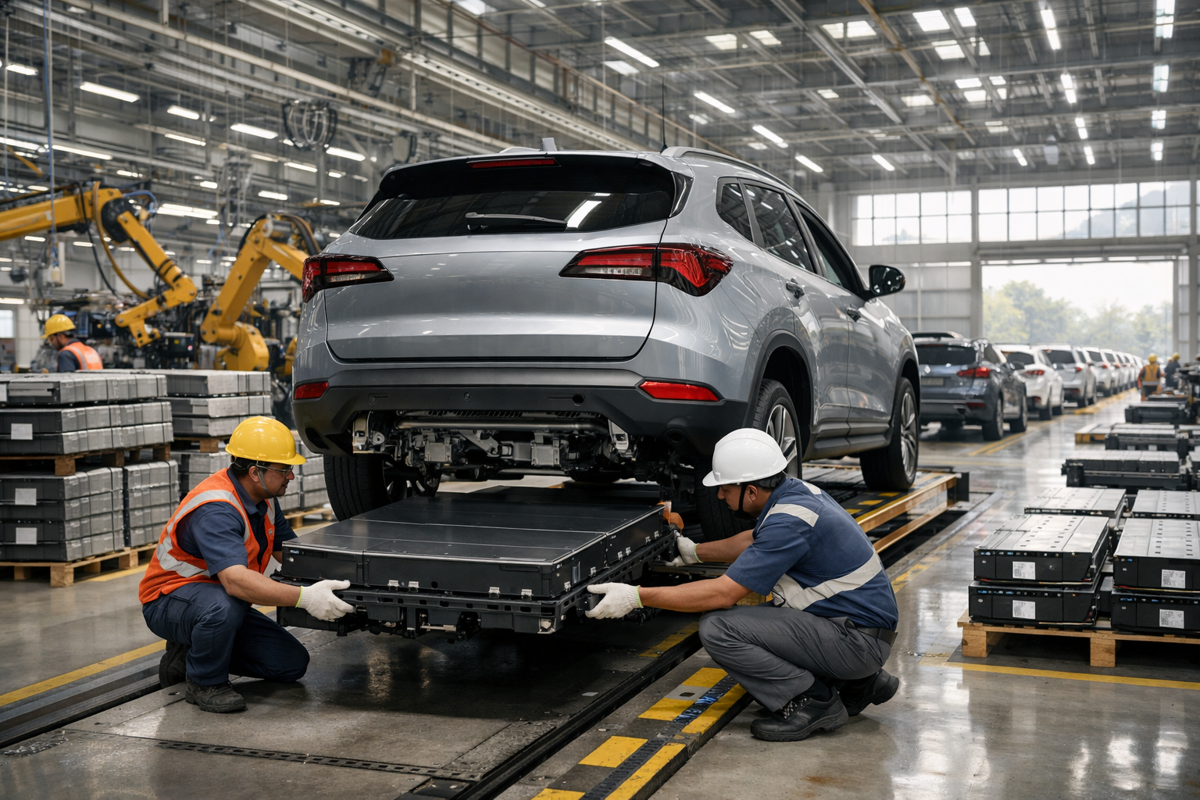
Note: The image used in this article is generated with an AI tool and does not depict any real-time moment
Capral Aluminium doors and windows shape a high-function community centre in Tonga
Next articleMichael Doss joins Crown Holdings Board following a decade at Graphic Packaging
Grow with
AL Circle