Macro disturbances cap upside room, while destocking continues to support aluminium price stabilisation
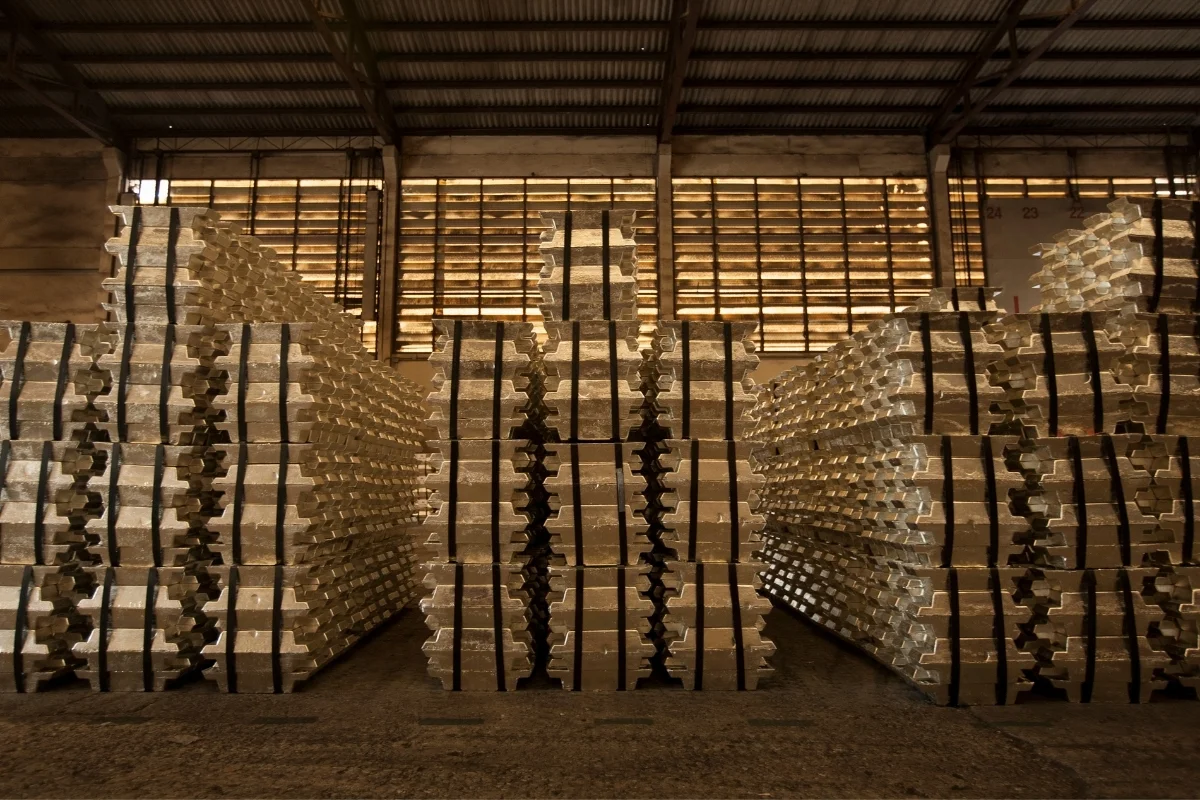
Stock image for referential purposes only
Futures: The most-traded SHFE aluminium contract opened at RMB 24,240 per tonne in the night session on September 4, with a high of RMB 24,355 per tonne, a low of RMB 24,220 per tonne, and a close of RMB 24,320 per tonne, up 0.12 per cent from the previous close. Futures stabilised and rebounded, with moving averages in a bullish alignment, all short-term moving averages above long-term ones, and prices trading near the MA5. Trading volume shrank notably during the session, while open interest edged up, driven mainly by long-side additions.
On the technical front, the 4-hour MACD golden cross continued with the red histogram maintained, though its height contracted somewhat, indicating marginal weakening of bullish momentum. On September 4, LME aluminium opened at USD 3,316 per tonne, with a high of USD 3,321 per tonne, a low of USD 3,278 per tonne, and a close of USD 3,296 per tonne, down 0.65 per cent from the previous close.
The prior day's bottom-fishing recovery failed to extend, and futures weakened again, though the close remained above all short-term moving averages. Open interest increased during the day, with notable short-side additions. On the technical front, the daily MACD red histogram continued, suggesting short-term upward momentum remains.
Macro front: The surprisingly strong US August jobs report sharply raised market expectations for a Fed rate hike in September, triggering wild swings in financial assets. On Friday, data released by the US Bureau of Labor Statistics showed that nonfarm payrolls rose by 162,000 in August, far exceeding the Wall Street consensus estimate of 55,000 and surpassing the upper bound of all institutional forecasts, marking the second-highest monthly gain of the year.
Fundamentals: Last week, the operating rate at leading aluminium downstream processing enterprises in China came in at 61.0 per cent, up 0.8 percentage points W-o-W. Entering the traditional September peak season, earlier disruptions have gradually been cleared, and operating rates across sectors broadly saw recovery-driven gains. Secondary aluminium and primary aluminium alloy posted the largest increases, while aluminium wire and cable, aluminium extrusion, aluminium plate/sheet and strip, and aluminium foil also recovered.
Overall, the peak-season effect is gradually emerging and driving a broad recovery in industry operating rates, but a full recovery in end-use demand will take time and cost-side pressures persist. Operating rates across sectors are expected to continue a mild recovery in the near term. On the inventory front, aluminium ingot inventory in major consuming regions in China stood at 802,000 tonnes on Monday, down 13,000 tonnes from last Thursday and down 35,000 tonnes from last Monday.
Primary aluminium market: The SHFE aluminium price centre was basically flat from yesterday. Purchasing sentiment in the spot market was relatively active at the open, then cooled somewhat. SHFE aluminium A00 spot transactions were concluded at parity to a premium of RMB 40 per tonne. Aluminium futures rallied again in the night session. In the central China market, pre-market quotes were relatively low, and traders tended to restock aggressively at deep discounts.
With Friday also in play, downstream processing enterprises showed renewed interest in purchasing and stockpiling, and overall market trading sentiment recovered, driving quotes gradually higher. Final transaction prices in the central China market were around a discount of RMB 110-150 per tonne against the SHFE aluminium September contract. Aluminium prices pulled back slightly today, with the weak tone in the spot market unchanged and trading patterns largely similar to yesterday.
Although the spot-futures price spread is expected to weaken, its absolute level remains high, and absolute prices also stay high. Under this dual pressure, suppliers' tentative attempts to hold prices firm met no response, and they subsequently shifted to lowering prices for shipments to varying degrees. Sellers offloading at discounts continued to appear from time to time, with discounted spot cargo circulating steadily.
On the demand side, downstream buyers showed limited acceptance of high prices, maintaining just-in-time procurement only. Traders initially pushed for lower prices while staying on the sidelines, then took advantage of the weak spot-futures price spread to step up absorption of discounted spot cargo, providing some support to the spot market. Overall transactions were lacklustre. Spot transaction prices were concentrated at a premium of RMB 165-205 per tonne against the SHFE aluminium 2609 contract.
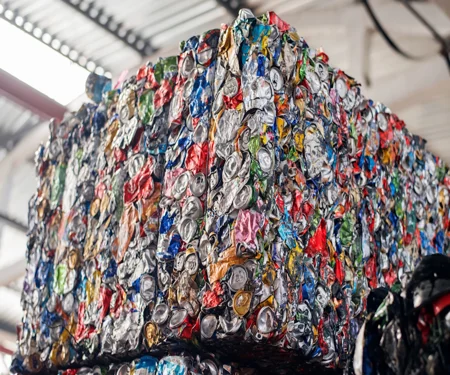
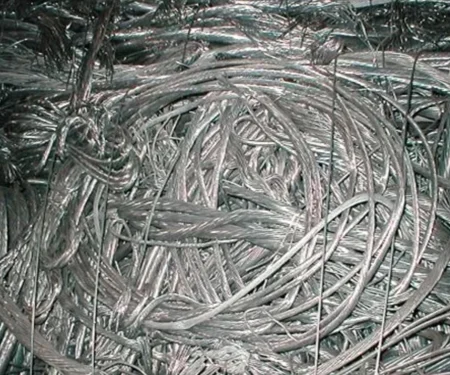
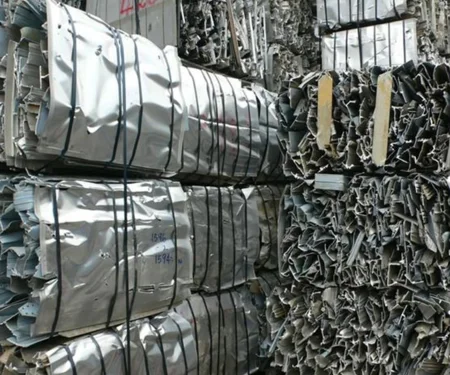
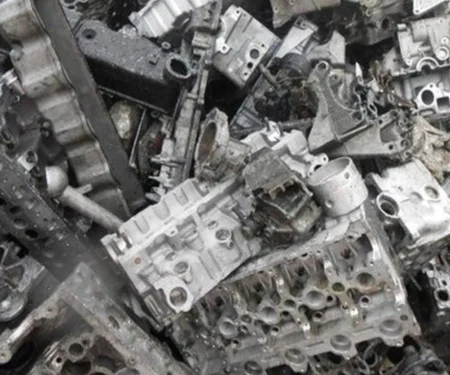
Aluminium scrap: Today, SMM A00 aluminium closed at RMB 24,360 per tonne, up slightly by RMB 10 per tonne W-o-W from the previous trading day, while aluminium scrap market prices remained broadly stable. In terms of price differences, on September 4, the price difference between A00 aluminium and mixed aluminium extrusion scrap free of paint in Foshan was about RMB 2,431 per tonne and the price difference between A00 aluminium and shredded aluminium tense scrap was about RMB 1,266 per tonne, widening further W-o-W.
On the import side, the impact of the UAE export ban and the EU tariff hike continued, with the contraction in European and Middle Eastern supply sources unchanged. High-quality scrap with invoices remained tight overall, leaving limited room for import growth. A substantive recovery in end-use demand still needs to be observed, and destocking of wrought aluminium alloy scrap inventory still requires time.
Scrap utilisation enterprises are likely to continue purchasing as needed and maintain low-inventory operating strategies, with the pace of following price increases expected to remain slow. Next week, the aluminium scrap market is expected to consolidate on a strong note with the price centre shifting slightly higher. The mainstream operating range for shredded aluminium tense scrap (priced based on aluminium content) is expected to centre around RMB 20,300-21,000 per tonne, with close attention needed on the pace of downstream order recovery.
Secondary aluminium alloy: Spot market: Today, the ADC12 market remained broadly stable. On one hand, aluminium prices and aluminium scrap raw material prices showed limited fluctuations today, with little change on the cost side, providing insufficient impetus for enterprises to adjust prices. On the other hand, downstream demand recovery remained mild, with purchases mainly just-in-time, and the improvement in market transactions had yet to form strong support.
Against the backdrop of relatively stable costs and limited demand recovery, the industry's overall willingness to adjust prices was low, and enterprises generally chose to hold quotes steady for now while monitoring market changes. In the short term, ADC12 prices are expected to consolidate on a stable note, with future price direction still dependent on changes in aluminium prices and aluminium scrap costs, as well as whether end-use demand can be further released during the September peak season.
Overall outlook: US non-farm payrolls significantly exceeded expectations, and expectations for US Fed interest rate hikes rose again. Macro tightening expectations remain subject to repeated disturbances, creating periodic pressure on aluminium price rises. China's low aluminium ingot inventory pattern persists, with inventory maintaining a destocking trend, and the spot side providing strong support to aluminium prices, remaining the dominant factor in the current market.
The demand side has entered the traditional September peak season, with processing enterprises seeing a recovery in operating rates, but a full recovery in end-user orders still requires time, and the actual fulfilment of the peak season remains to be observed. Meanwhile, aluminium billet inventory continues to build up, posing a potential risk of transmission to the aluminium ingot side. The supply of aluminium outside China continues to recover, further constraining the upside room for aluminium prices.
From the futures perspective, SHFE aluminium shows a strong technical pattern but with weakening upward momentum, and insufficient trading volume limits the strength of an upward breakout, with SHFE and LME trends diverging. Aluminium prices are expected to maintain a fluctuating trend in the short term.
Note: This article has been issued by SMM and has been published by AL Circle with its original information without any modifications or edits to the core subject/data.
LME aluminium offer price slips to $3,292.5/t as lower exchange stocks point to tighter availability
Next articleLME aluminium price rises to $3,310/t: Can EGA and Alba repairs bring back 2025 levels?
Grow with
AL Circle