AlCircle.com
LME aluminium contract may fail to serve its purpose
Edited by : AL CIRCLE
2 min read

LME aluminium contract which was supposed to be launched in November 2015 may fail to serve the purpose as the aluminium premiums are falling at a higher rate. LME aluminium contract was a strategy to withstand rising aluminium premiums and long LME warehouse queues as well as to free the metal tied up in financial deals.
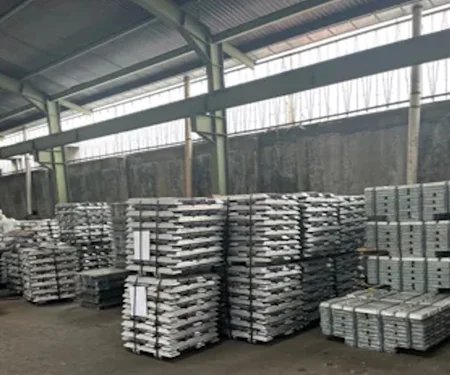
However premiums or the price that is paid to get physical delivery of aluminium have fallen down abruptly in last few months in all major locations around the world. The queues at the warehouses in Detroit and the Dutch port of Vlissingen have become much shorter and the metal is leaving the warehouses at a much faster rate.
The process will be faster from August with the implementation of new LME rules which require warehouses to ship out more aluminum than they take in after a period exceeding 50 days.
According to Rusal, the world's top aluminium producer, LME's strategy on the aluminium contract has turned out to be a failure.
Premiums are aimed at downstream users or producers wanting to hedge or lock in future premiums on the physical market and they have been proving profitable for the primary producers as the LME cash price is pretty low for the white metal.
Japan aluminium premiums have fallen 60 percent to below $150 a ton since January on the spot market and US aluminium premiums came down 65 percent to below $200. Duty unpaid premiums in Europe have come down to settle at just above $100.
LME however expects the premiums to rise as the way they have fallen in last few months as premiums are influenced by a number of factors.
If financial deals become lucrative again, this may restrict metal to the market and lift premiums in near future. Experts cite the complex nature of the aluminium contracts related to physical delivery as another reason for its failure.
But sources say that could just be an excuse for consumers, many of which do not normally use the LME to buy metal, to shun the contracts. Much of the metal used by consumers is bought on long-term contracts.
However premiums or the price that is paid to get physical delivery of aluminium have fallen down abruptly in last few months in all major locations around the world. The queues at the warehouses in Detroit and the Dutch port of Vlissingen have become much shorter and the metal is leaving the warehouses at a much faster rate.
The process will be faster from August with the implementation of new LME rules which require warehouses to ship out more aluminum than they take in after a period exceeding 50 days.
According to Rusal, the world's top aluminium producer, LME's strategy on the aluminium contract has turned out to be a failure.
Premiums are aimed at downstream users or producers wanting to hedge or lock in future premiums on the physical market and they have been proving profitable for the primary producers as the LME cash price is pretty low for the white metal.
Japan aluminium premiums have fallen 60 percent to below $150 a ton since January on the spot market and US aluminium premiums came down 65 percent to below $200. Duty unpaid premiums in Europe have come down to settle at just above $100.
LME however expects the premiums to rise as the way they have fallen in last few months as premiums are influenced by a number of factors.
If financial deals become lucrative again, this may restrict metal to the market and lift premiums in near future. Experts cite the complex nature of the aluminium contracts related to physical delivery as another reason for its failure.
But sources say that could just be an excuse for consumers, many of which do not normally use the LME to buy metal, to shun the contracts. Much of the metal used by consumers is bought on long-term contracts.
Unlock full access – sign up for FREE.
Key benefits
Find exclusive data-driven insights and in-depth analysis
Get our daily newsletter delivered straight to your inbox
Access real-time and historical price trends from global indices
Post and respond to latest business leads
Stay ahead with alerts on learning tools
...and so much more!SIGN UP / LOGIN
Previous article
Alro salutes the EC conclusion that its contract with Hidroelectrica did not involve state aid
Next articlePress Metal to look beyond temporary hiccups
Grow with
AL Circle