LME aluminium cash price rises 0.74% as stocks drop to 248,300t, tightening near-term supply
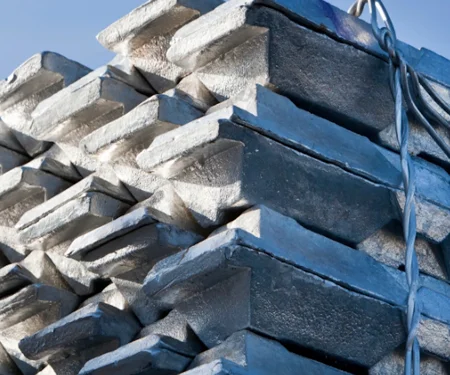
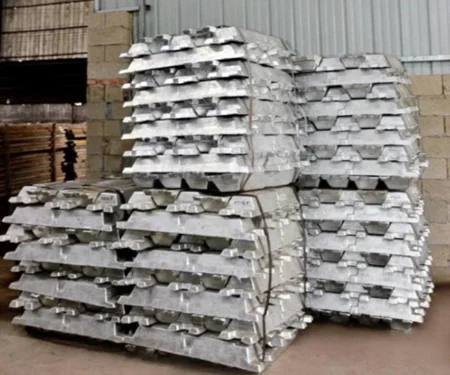
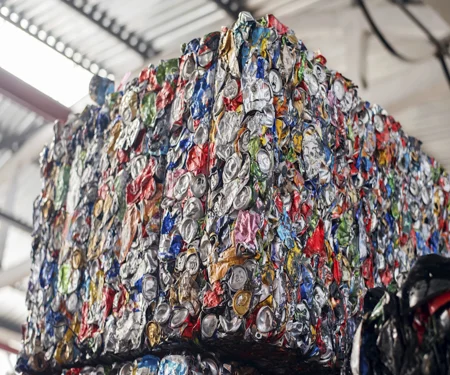
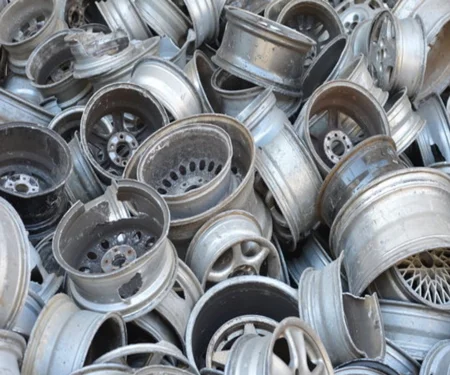
The image used in this article is generated with an AI tool and does not depict any real-time moment
LME aluminium prices moved higher on August 17 compared with August 14, while opening stocks declined marginally and cancelled warrants fell sharply. The LME alumina Platts price remained unchanged during the period.
The LME aluminium cash bid price stood at USD 3,271 per tonne on August 17, up from USD 3,247 per tonne on August 14, marking an increase of 0.74 per cent. The cash offer price rose to USD 3,272 per tonne from USD 3,248 per tonne, also gaining 0.74 per cent.
In the 3-month contract, the LME aluminium bid price increased to USD 3,270 per tonne on August 17 from USD 3,244 per tonne on August 14, up 0.80 per cent. The 3-month offer price also climbed to USD 3,272 per tonne from USD 3,246 per tonne, an increase of 0.80 per cent.
The December 27 bid price stood at USD 3,190 per tonne on August 17, compared with USD 3,170 per tonne on August 14, representing a rise of 0.63 per cent. Meanwhile, the December 27 offer price increased to USD 3,195 per tonne from USD 3,175 per tonne, also up 0.63 per cent.
Explore- Most comprehensive and forward-looking industry-focused report — Global Bauxite & Alumina Market Forecast to 2036: Supply–Demand, Trade Flows & Price Outlook
The LME aluminium 3-month Asian Reference Price stood at USD 3,266.5 per tonne on August 17.
LME aluminium opening stocks stood at 248,300 tonnes on August 17, down from 250,000 tonnes on August 14. This represents a decline of 1,700 tonnes, or 0.68 per cent.
Live warrants remained unchanged at 244,475 tonnes on both August 14 and August 17. However, cancelled warrants fell to 2,450 tonnes on August 17 from 3,825 tonnes on August 14, a decrease of 1,375 tonnes, or 35.95 per cent.
The tighter availability is also being reflected in the Indian market, where aluminium settled 0.69 per cent higher at INR 350.95. Supply concerns have strengthened as disruptions across the global aluminium and alumina chain add to the pressure on physical availability.
The latest disruptions include Norsk Hydro cutting production at its 6.3-million-tonne-per-year Alunorte alumina refinery in Brazil to half capacity because of lower natural gas availability. Emirates Global Aluminium has also said its Al Taweelah smelter is operating at just 18 per cent of capacity, with production not expected to return to previous levels until early 2027.
The pressure is not limited to individual plants. Global primary aluminium output fell 1.5 per cent year on year to 5.98 million tonnes in June, while Gulf production dropped by one-third. Production outside China also declined 6.7 per cent year on year in July as Middle Eastern smelters continued to operate at reduced rates.
Alcoa has added to the supply concerns by cutting its 2026 alumina production guidance by 200,000-300,000 tonnes to 9.5-9.6 million tonnes following disruptions in Western Australia.
Still, the supply picture is not uniformly tightening. Australia’s largest aluminium smelter has secured a USD 1.8 billion government bailout, while European physical premiums have eased to USD 487 per tonne from USD 621 per tonne in May, suggesting that some of the earlier concerns over Gulf supply are beginning to moderate.
Meanwhile, the LME alumina Platts price showed no change and remained at USD 355.68 per tonne.
Explore primary aluminium suppliers, product listings and trade opportunities on the AL Biz platform.
US tariffs encourage aluminium manufacturing, but Oklahoma smelter faces opposition
Next articleRussia’s LME aluminium inventory share close to 95%: Now the market tightens with falling production outside China
Grow with
AL Circle