13 AUGUST 2014www.compositesworld.com
Lightweighting goals top automotive design and manufacturing survey
Edited by : AL CIRCLE
3 min read

DuPont has published the results of a new survey conducted with WardsAuto that asks the automotive design and engineering community what technologies they are working on to reduce emissions and improve fuel economy. Topping the list was lightweighting, engine efficiency programs, vehicle electrification and adoption of diesel for engines.
Sixty six percent of the nearly 900 respondents said again this year that the 2017-2025 CAFE (Corporate Average Fuel Economy Standards) could get more stringent as a result of the upcoming mid-term reviews. The U.S. Environmental Protection Agency (EPA) standards require, on an average industry fleet-wide basis, 163 g/mile of CO2 in model year 2025, which would be equivalent to 54.5 mpg (4.3 L/100km) if this level were achieved solely through improvements in fuel efficiency.
“The automotive industry is racing to develop safe, fun and affordable vehicles that are much more fuel efficient and produce far fewer emissions,” says Pat E. Lindner, president, DuPont Performance Polymers. The EPA in April released a report on vehicle greenhouse gas emissions that concluded “automakers are off to a good start,” and the U.S. National Highway Traffic Safety Administration (NHTSA) in June published a Summary of Fuel Economy Performance report that shows auto manufacturers project fleet production is just above 34 mpg in 2014.
“We still have a long way to 54.5 miles per gallon in 2025,” he says. “This is a marathon – not a sprint. Clear strategies need to be set, checkpoints need to be established and the most effective tool we have in this race is collaboration.”
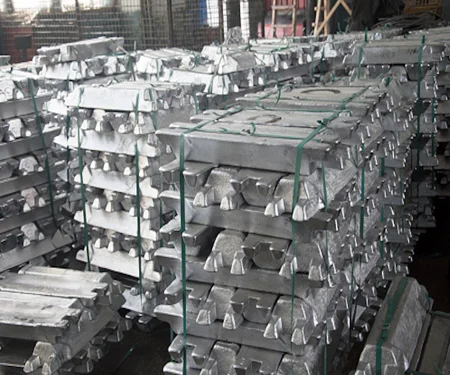
Results of the fourth annual survey also found powertrain systems are the primary target for today’s lightweighting efforts and, while aluminium is expected to be relied on heavily to meet new CAFE standards, engineering plastics, advanced composites and multimaterial or hybrid solutions will serve the industry well.
When asked to rate their confidence in the ability of today’s materials to portfolio to help them meet the stringent regulations, half the respondents said they were only “moderately confident.” “That rather ‘middle of the road,’ ambivalent assessment of the material palette suggests we need to work together to continue to drive innovation,” says Jeff Sternberg, director of DuPont Automotive Technology. “There is no silver bullet – every part and vehicle system faces a different set of requirements – but it is pretty clear that the automotive design and engineering community needs more support from advanced materials suppliers to reduce vehicle weight. The most effective approach involves value-chain collaboration to understand the needs and develop new materials, new designs, new manufacturing methods – or all three – to find solutions.”
Sixty six percent of the nearly 900 respondents said again this year that the 2017-2025 CAFE (Corporate Average Fuel Economy Standards) could get more stringent as a result of the upcoming mid-term reviews. The U.S. Environmental Protection Agency (EPA) standards require, on an average industry fleet-wide basis, 163 g/mile of CO2 in model year 2025, which would be equivalent to 54.5 mpg (4.3 L/100km) if this level were achieved solely through improvements in fuel efficiency.
“The automotive industry is racing to develop safe, fun and affordable vehicles that are much more fuel efficient and produce far fewer emissions,” says Pat E. Lindner, president, DuPont Performance Polymers. The EPA in April released a report on vehicle greenhouse gas emissions that concluded “automakers are off to a good start,” and the U.S. National Highway Traffic Safety Administration (NHTSA) in June published a Summary of Fuel Economy Performance report that shows auto manufacturers project fleet production is just above 34 mpg in 2014.
“We still have a long way to 54.5 miles per gallon in 2025,” he says. “This is a marathon – not a sprint. Clear strategies need to be set, checkpoints need to be established and the most effective tool we have in this race is collaboration.”
Results of the fourth annual survey also found powertrain systems are the primary target for today’s lightweighting efforts and, while aluminium is expected to be relied on heavily to meet new CAFE standards, engineering plastics, advanced composites and multimaterial or hybrid solutions will serve the industry well.
When asked to rate their confidence in the ability of today’s materials to portfolio to help them meet the stringent regulations, half the respondents said they were only “moderately confident.” “That rather ‘middle of the road,’ ambivalent assessment of the material palette suggests we need to work together to continue to drive innovation,” says Jeff Sternberg, director of DuPont Automotive Technology. “There is no silver bullet – every part and vehicle system faces a different set of requirements – but it is pretty clear that the automotive design and engineering community needs more support from advanced materials suppliers to reduce vehicle weight. The most effective approach involves value-chain collaboration to understand the needs and develop new materials, new designs, new manufacturing methods – or all three – to find solutions.”
Unlock full access – sign up for FREE.
Key benefits
Find exclusive data-driven insights and in-depth analysis
Get our daily newsletter delivered straight to your inbox
Access real-time and historical price trends from global indices
Post and respond to latest business leads
Stay ahead with alerts on learning tools
...and so much more!SIGN UP / LOGIN
Previous article
EU Aluminum Can industry shows stronger growth during 2013 as exports up
Next articleGroom’s Aluminum Processing begins new facility in Ashville
Grow with
AL Circle