King River Resources makes advancement with battery technology
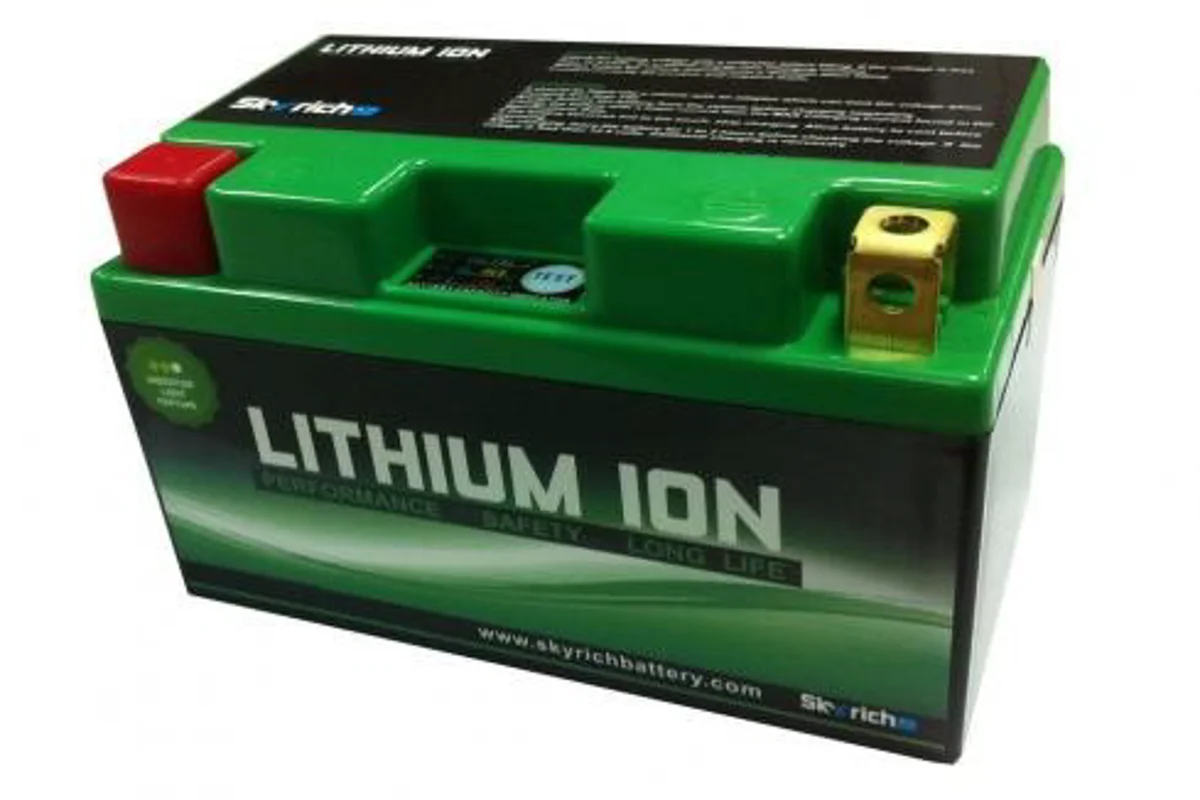
The Australian Securities Exchange-listed mining and exploration company King River Resources has fortified its high purity aluminium precursor compounds in a tender to supply the increasing demand from the lithium-ion battery industry.
The company’s proprietary “ARC” processing technology using its lately commissioned pilot plant has now overshadowed the indigenous expectations continually developing a “Type 1” precursor aluminium salt grading exceeding an incredible 99.999% purity.
The laboratory trial plant campaign was run by Source Certain International and was a rerun test of the procedural changes used in the existing trial where a redundant stage in the Primary Crystallisation flowsheet was not applied.
King River commented: “The removal of the unnecessary processing step is a significant improvement and simplification to the process and may result in economic benefits from a reduction in water and energy consumption. The new process will be addressed and refined in the ongoing definitive feasibility study.”
However, the results from the fourth trial were quite alike to the third and granted a Type 1 precursor that comprised of an aluminium salt of 5N purity. 5N purity essentially means that it is 99.999% pure.

The aluminium salt churned out is used in lithium-ion battery cathodes but can also be perished through a calcination process to create a 99.99% pure high-purity alumina, or “HPA” that is a critical part of lithium-ion batteries.
High-purity alumina (HPA) is reckoned as a key constituent in electric vehicles where it is used to coat separators between the cathode and anode or negative and positive charges, within lithium-ion batteries. It also has unlimited other practical utilization comprising in the manufacture of smartphone screens, LED lighting and wristwatch faces.
France aluminium container export during 2019-20 exhibits downfall with marginal growth; 21% dip predicted for 2022
Next articleIndia: Lightweight coaches made of aluminium to be used in Vande Bharat Express Train
Grow with
AL Circle