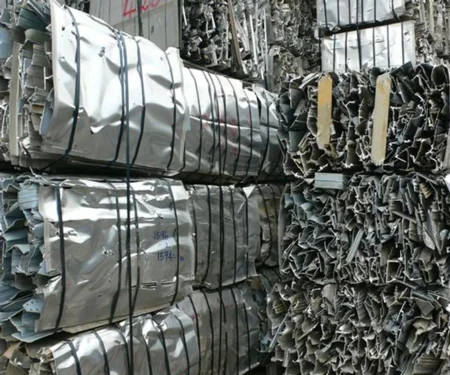
June 2026 spotlight: Europe’s aluminium recycling industry

Europe's aluminium recycling industry is undergoing a pivotal phase.
With steep climate targets, policies, growing demand for low-carbon aluminium, and rapid advancements in recycling technologies, Europe has emerged as one of the most influential regions, shaping the future of aluminium. Developments in recycling, scrap availability, sustainability, and recycled aluminium production are increasingly affecting procurement strategies, investment decisions, trade flows, and manufacturing priorities across the global aluminium value chain.
Considering the significance of these shifts, AL Circle is launching a month-long project throughout June 2026. Through a series of in-depth articles, expert interviews, opinion pieces, market analyses, webinars, and industry insights, this initiative will explore the trends, challenges, opportunities, and future outlook shaping Europe's aluminium recycling market.
Keep an eye on this page, "Aluminium Recycling in Europe: Challenges & Opportunities" for everything that we have planned for this initiative.
Why the focus is on Europe:
Europe's leadership in aluminium recycling brings both competitive advantages and complex challenges. Below are the key themes we will touch on throughout the month.
Europe is setting the global benchmark for low-carbon aluminium: Europe's decarbonisation agenda is accelerating demand for recycled aluminium, positioning the region as a leader in the transition towards low-carbon materials and circular manufacturing.
Challenge: Balancing ambitious climate goals with industrial competitiveness remains a major concern, particularly amid high energy costs and increasing global competition.
European aluminium is driven by secondary aluminium: Recycled aluminium already contributes 60% share of Europe's entire aluminium supply, making recycling critical to the region's long-term material security and industrial resilience.
Challenge: Ensuring a consistent supply of high-quality scrap and maintaining alloy performance for advanced applications remains a key industry priority.
Europe is driving recycling through policy: From policies and Circular Economy Action Plans to Deposit Return Schemes, Europe is actively using policy to reshape how aluminium is collected, recycled, and reused.
Challenge: Policy implementation varies significantly across countries, creating differences in collection efficiency, recycling performance, and investment attractiveness.
Europe is sitting on a growing scrap mine: With decades of aluminium use in buildings, vehicles, and packaging reaching end-of-life, Europe is expected to see a significant increase in available post-consumer scrap over the coming decades.
Challenge: A substantial volume of valuable aluminium scrap continues to leave the region, limiting Europe's ability to fully capture the economic and sustainability benefits of recycling.
Europe is becoming a hub for recycling innovation: Advanced sorting technologies, AI-powered material recovery, and next-generation remelting solutions are helping Europe improve recycling efficiency and expand the use of recycled aluminium in high-value applications.
Challenge: Scaling these innovations across the industry while improving traceability, standardisation, and scrap quality remains an ongoing challenge.
Why this matters beyond Europe
While the initiative focuses on Europe, the implications are global.
The region is effectively becoming a testing ground for many of the policies, technologies, and market mechanisms that are likely to influence aluminium industries elsewhere in the coming years.
Questions, addressed for and within Europe today, are increasingly relevant worldwide:
How can aluminium producers reduce their carbon footprint?
How can manufacturers secure reliable sources of low-carbon aluminium?
What role will recycled content play in future procurement requirements?
How can scrap quality and alloy management be improved?
What investments are needed to support circular aluminium production?
How will regulations influence trade and competitiveness?
Whether a company operates in Asia, North America, the Middle East, or Africa, the answers to these questions are becoming increasingly important. Bookmark this page while we continue through the journey of "Aluminium Recycling in Europe: Challenges & Opportunities".
_0_0.png)
AI recycling startups see opportunity as aluminium prices surge
Next articleEU aluminium scrap export curbs worry recyclers, Commission receives joint letter
Grow with
AL Circle