Japan’s primary aluminium imports rise 6.6% in March 2026 as auto demand recovers
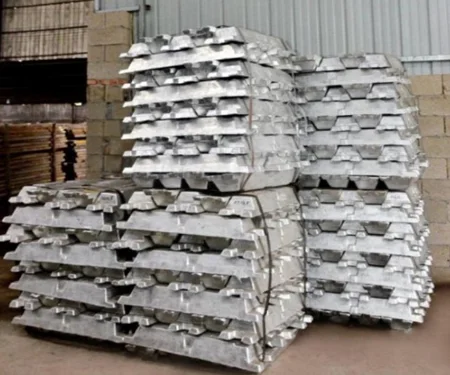
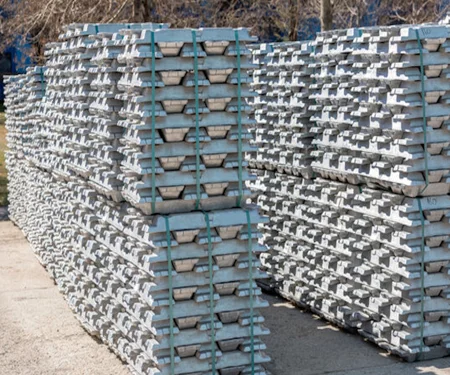
Stock image for referential purposes only
Japan’s primary aluminium imports increased by 6.6 per cent year-on-year and 16 per cent month-on-month to 89,497 tonnes in March 2026, supported by improving automotive demand and higher domestic production of aluminium products.
Data from Japan’s Finance Ministry showed stronger activity in flat-rolled and extruded aluminium products during the month, while vehicle production also continued to recover.
The Japan Aluminium Association said shipments of flat-rolled products used for can stock increased by 3.6 per cent year-on-year to 33,639 tonnes, supported by seasonal beverage product launches. Deliveries to the automotive sector also rose 1.2 per cent to 16,105 tonnes in line with higher domestic vehicle output.
Extrusions output and domestic shipments turned positive for the first time in six months. Shipments to the automotive sector increased 15 per cent year-on-year to 13,149 tonnes.
Japan’s domestic vehicle production rose 8.8 per cent year-on-year to 742,120 units in March, according to data compiled by Argus from eight major automakers.
Construction and battery demand remain weak
However, demand from the construction sector remained weak due to lower housing activity. Extruded aluminium shipments for construction applications fell 5.3 per cent year-on-year to 27,221 tonnes, while housing starts in Japan dropped 29 per cent year-on-year to 63,495 units in March 2026.
Production and shipments of aluminium foil also declined to 7,608 tonnes and 8,060 tonnes, respectively. The Japan Aluminium Association attributed the decline partly to weaker demand from automotive lithium-ion battery applications.
Japan’s imports of aluminium alloy ingots (ADC12) fell 3 per cent year-on-year to 79,137 tonnes in March. However, the average import value increased 5.6 per cent year-on-year to USD 2,969 per tonne.
Explore: The most comprehensive and forward-looking industry-focused report - Global Bauxite & Alumina Market Forecast to 2036: Supply–Demand, Trade Flows & Price Outlook
Japan’s aluminium sourcing shifts in March
Australia remained Japan’s largest supplier of primary aluminium in March despite lower shipments. Imports from Australia declined 9.1 per cent year-on-year and 14 per cent month-on-month to 22,756 tonnes. However, cumulative imports during January–March 2026 edged up 1.1 per cent to 75,260 tonnes.
Brazil ranked as Japan’s second-largest supplier in March, with shipments increasing 7.4 per cent year-on-year to 19,504 tonnes. Imports from Brazil during the first quarter rose sharply by 45.1 per cent to 50,698 tonnes.
Imports from India recorded the strongest growth among major suppliers. Japan’s imports from India more than doubled year-on-year to 13,619 tonnes in March 2026, while January–March imports increased 19.1 per cent to 25,941 tonnes.
Shipments from the United Arab Emirates also posted steady growth. Japan imported 8,710 tonnes of primary aluminium from the UAE in March, up 9.9 per cent year-on-year. First-quarter imports from the UAE increased 9.4 per cent to 28,534 tonnes.
Malaysia registered the sharpest increase in percentage terms, although from a relatively low base. Japan’s aluminium imports from Malaysia surged 836.9 per cent year-on-year to 7,545 tonnes in March. Imports during January–March 2026 more than doubled, rising 108.3 per cent to 13,570 tonnes.
To look for buying or selling leads of aluminium ingots, visit our B2B marketplace.

British Columbia funds testing of aluminium-coated lightning suppression technology for wildfire prevention
Next articleSkuld files patent application for scrap-to-wrought aluminium casting process under DARPA programme
Grow with
AL Circle