Japan’s aluminium alloy import is on the rise; country boosts secondary aluminium recovery to supplement import

Japan’s aluminium industry is import based and it has stopped producing primary metal altogether shifting its focus towards value added applications and in secondary recovery. The country is Asia's top importer of aluminium and the premiums for primary metal shipments it agrees to pay each quarter over the London Metal Exchange cash price set the benchmark for the Asia region.
The two major aluminium product manufacturers in Japan are Kobe Steel and Aluminium and UACJ Corporation who make aluminium plates, pre coated sheets and various rolling products for value added applications. Most of end-users keep annual purchase volume of aluminium unchanged to secure stable supply to their production plants. The country buys a large volume of aluminium alloys to feed their semi-finished plants.
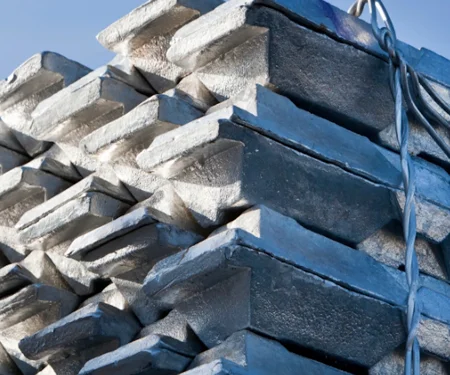
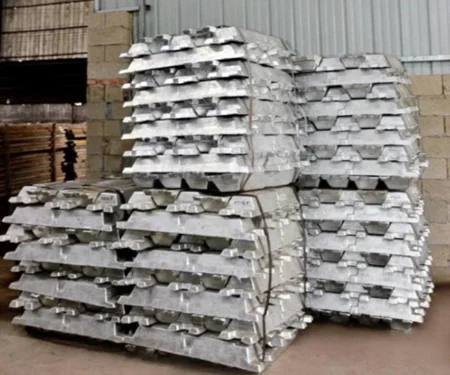
Japan follows a growing trading pattern for the import of aluminium alloy ingots. In the year 2016, imports of aluminium alloy stood at 1.10 million tonnes. The volume increased slightly to 1.15 million tonnes in 2017. The increase in import is because of the growing consumption by domestic producers.

In the 2017 fiscal year that ended in March 2018, aluminium demand for in casting and die-casting rose 4.8% driven by upward momentum from the automotive and other export industries. This indicates that the country’s demand for semi-finished aluminium is increasing. Our data for aluminium alloy import by Japan for last two years also indicate an upward trend. In 2018, the aluminium import is estimated to stand at 1.30 million tonnes.

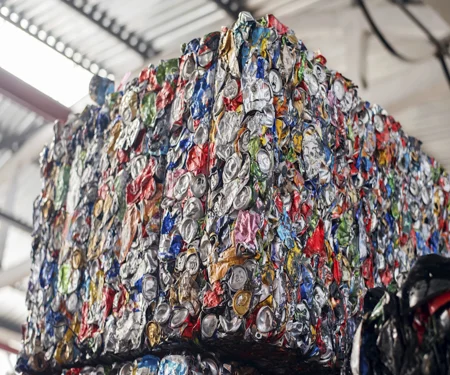
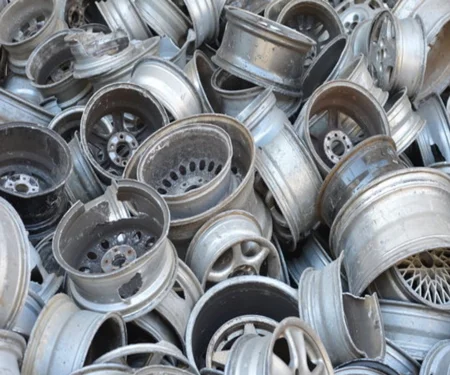
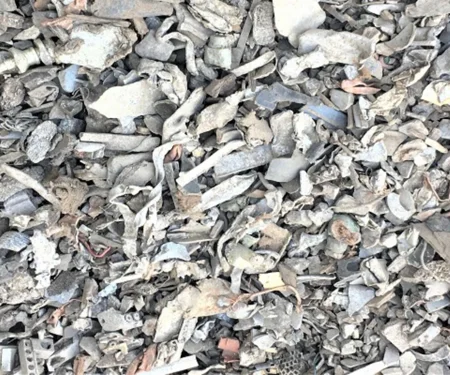
Demand for secondary aluminium in casting, die-casting in Japan is likely to inch up 0.3% in 2018 to stand at 1.67 million tonnes for the 2018 fiscal year (April 2018-March 2019), according to the Japan Aluminium Alloy Refiners Association on Monday April 2. The country is equally focusing on scrap recovery and secondary aluminium to supplement the growing alloy import.
Chengdu’s aluminium die-casting firm anticipates to experience a lower operating rate this month
Next articleCapral Aluminium extends support to trailer manufacturers
Grow with
AL Circle