15 JULY 2013Platts
Japan's aluminum demand for home repairs to surge 57% by 2022 as condos hit 60
Edited by : AL CIRCLE
3 min read

Japan's demand for aluminum extrusion for aging residential building repair is forecast to surge 57% in 2022 from the volume required in 2012, the country's Kenchiku Kaiso Kyokai or Building Repair Association said Friday.
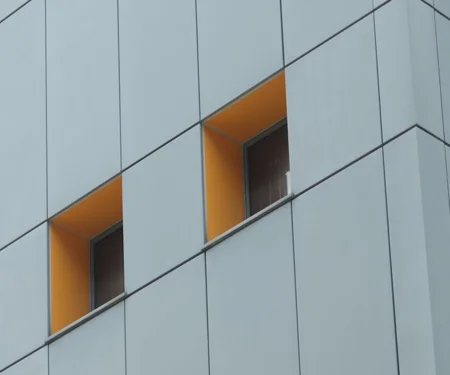
A boom in high-rise condominium construction in the early 1960s will result in the need to replace aluminum window frames and sliding doors peaking in 2022, when many buildings hit the 60-year mark, association secretary general Yoichiro Sazuka said in an interview with Platts.
Sales of replacement aluminum window frames and sliding doors for established condominiums totaled Yen 47.7 billion ($477 million) in the fiscal year April 2012-March 2013, referred to in Japan as fiscal 2012, up 11.9% year on year. The figure does not include sales to new homes.
The association did not provide volume data.
According to the Japan Aluminium Association, the volume of extruded aluminum shipped to window frame and door makers totaled 376,531 mt in fiscal 2012, up 1% year on year.
"Currently, the home repair market is 10% of that for new homes, but there will be more focus on repairs and maintenance [by 2022] while demand [for new homes] will be stable," Sazuka said. "Due to the gloomy economy, new condominium building projects are in decline and the downtrend will accelerate after 2018."
The association forecast replacement aluminum window frame and door sales to rise 15.5% year on year to Yen 55 billion in fiscal 2013.
Sales forecasts for fiscal 2014 were not provided, while sales in fiscal 2015 were seen to dip to Yen 47 billion as a consumption tax hike in 2014 is expected to cool demand. But the market is forecast to return to growth the following year, ramping up to sales of Yen 58 billion in fiscal 2018 and Yen 73 billion in fiscal 2022.
"Steel frames were in use until the 1970s but they rusted and required extra maintenance due to the vulnerability of steel to water leakage and air flow. They have been replaced with aluminum," Sazuka said.
There is also growing demand to replace aluminum frames with new products designed to reduce earthquake damage.
"When the massive earthquake hit in 2011, glass on buildings around the association's office broke because of a lack of space between different building components. Doors did not open because buildings were deformed [by the earthquake]. A bigger clearance space between the frame and glass window, for example, would reduce damage," Sazuka added.
A boom in high-rise condominium construction in the early 1960s will result in the need to replace aluminum window frames and sliding doors peaking in 2022, when many buildings hit the 60-year mark, association secretary general Yoichiro Sazuka said in an interview with Platts.
Sales of replacement aluminum window frames and sliding doors for established condominiums totaled Yen 47.7 billion ($477 million) in the fiscal year April 2012-March 2013, referred to in Japan as fiscal 2012, up 11.9% year on year. The figure does not include sales to new homes.
The association did not provide volume data.
According to the Japan Aluminium Association, the volume of extruded aluminum shipped to window frame and door makers totaled 376,531 mt in fiscal 2012, up 1% year on year.
"Currently, the home repair market is 10% of that for new homes, but there will be more focus on repairs and maintenance [by 2022] while demand [for new homes] will be stable," Sazuka said. "Due to the gloomy economy, new condominium building projects are in decline and the downtrend will accelerate after 2018."
The association forecast replacement aluminum window frame and door sales to rise 15.5% year on year to Yen 55 billion in fiscal 2013.
Sales forecasts for fiscal 2014 were not provided, while sales in fiscal 2015 were seen to dip to Yen 47 billion as a consumption tax hike in 2014 is expected to cool demand. But the market is forecast to return to growth the following year, ramping up to sales of Yen 58 billion in fiscal 2018 and Yen 73 billion in fiscal 2022.
"Steel frames were in use until the 1970s but they rusted and required extra maintenance due to the vulnerability of steel to water leakage and air flow. They have been replaced with aluminum," Sazuka said.
There is also growing demand to replace aluminum frames with new products designed to reduce earthquake damage.
"When the massive earthquake hit in 2011, glass on buildings around the association's office broke because of a lack of space between different building components. Doors did not open because buildings were deformed [by the earthquake]. A bigger clearance space between the frame and glass window, for example, would reduce damage," Sazuka added.
Previous article
TRIMET interested to buy aluminum smelter & casting facility in France
Next articleChina: Low prices dig in following lower-than-expected economic recovery
Grow with
AL Circle