India’s transport energy balance: why petroleum, diesel and electricity must move in parallel, not in opposition
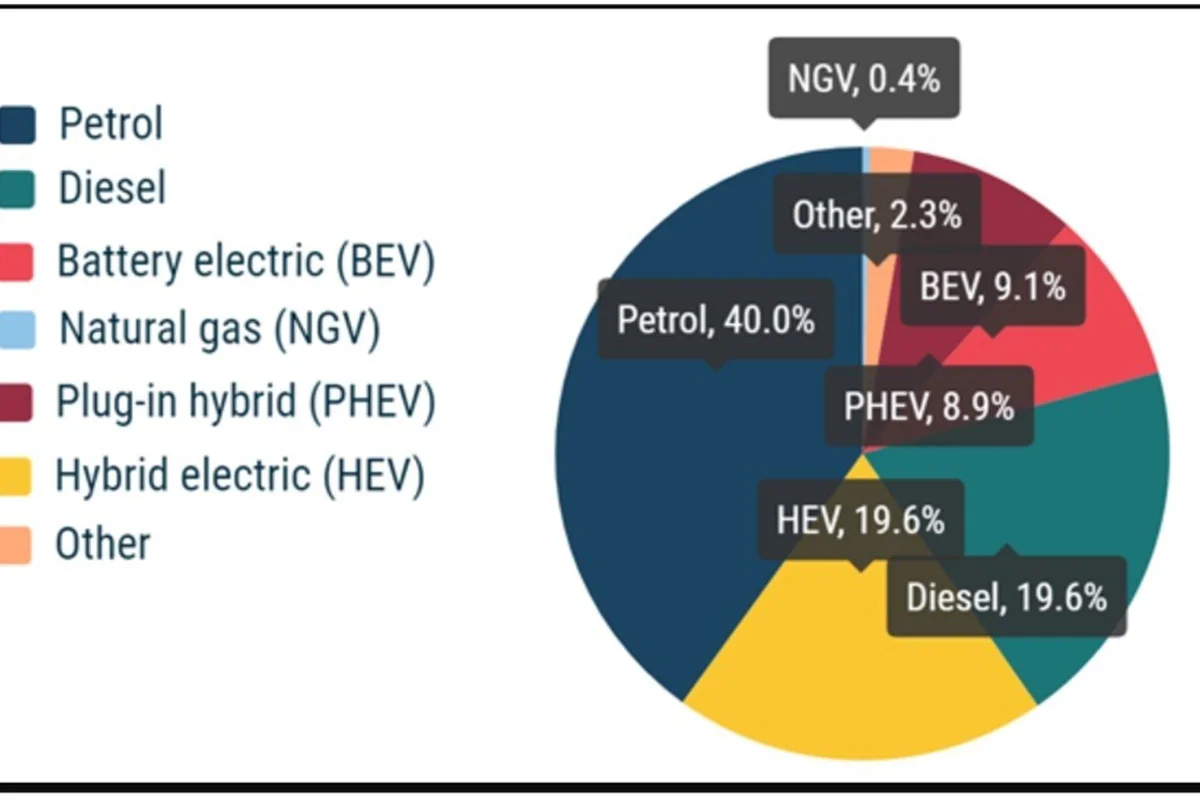
India’s transport transition is often framed as a contest between internal combustion engines and electric mobility. The data, along with the lived reality of energy demand, suggest something far less binary. As Dr Chanchal Samanta, DGM of Bharat Petroleum, made clear in his remarks at the ongoing India Energy Week 2026, India is not facing a fuel choice problem. It is managing a growth problem.
Explore- Most accurate data to drive business decisions with Global Aluminium Industry Outlook 2026 across the value chain
Electric vehicles are rightfully positioned as the sustainable endpoint for transport. But for a country like India, the energy system is expanding faster than substitution can realistically occur. “One is growth, and one is total growth,” Samanta said, pointing to the gap the strategists need to work out. Transport demand is rising not because fuels are inefficient, but because the economy itself is scaling.
Unlock full access – sign up for FREE.
Key benefits
MYSTEEL: China's coking coal market to see mild recovery in 2026
Next articleUS commits $2B to rare earths, taking equity role in strategic minerals push
Grow with
AL Circle