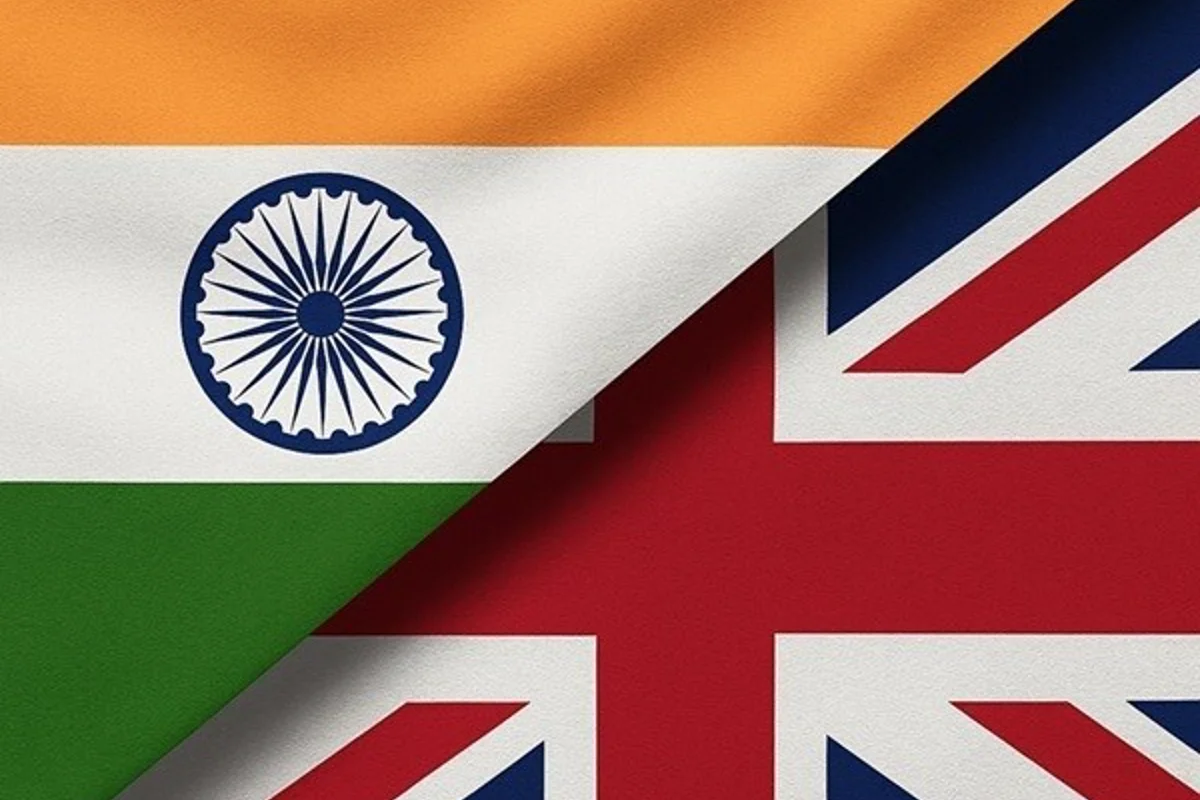
India's Free Trade Agreement (FTA) with the UK, signed with hopes of unlocking duty-free market access, has come under fire from trade experts and industry leaders for omitting carbon tax exemptions. This omission, according to the Global Trade Research Initiative (GTRI), could undermine Indian exports worth USD 775 million annually, including key commodities like aluminium, steel, fertiliser, and cement, starting in 2027.
GTRI founder Ajay Srivastava said, "From January 2027, the UK can impose carbon taxes on Indian steel and aluminium, even as we grant UK goods duty-free access. That's a serious asymmetry."
The UK plans to roll out its own Carbon Border Adjustment Mechanism (CBAM), following the European Union's lead, to tax high-carbon imports. This border levy will apply to sectors like aluminium, steel, fertiliser, hydrogen, cement, ceramics, and glass.
Tariffs are expected to range between 14 per cent and 24 per cent, a margin that could significantly impact competitiveness or compel Indian exporters to redirect their trade routes.
A soaring export boom faces a carbon wall
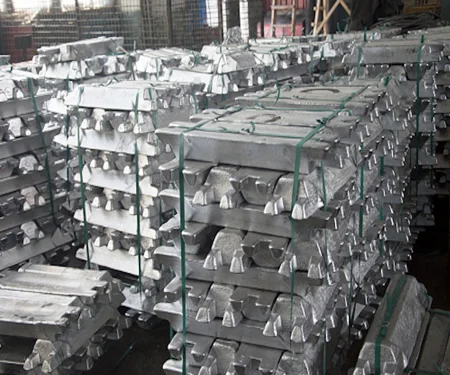
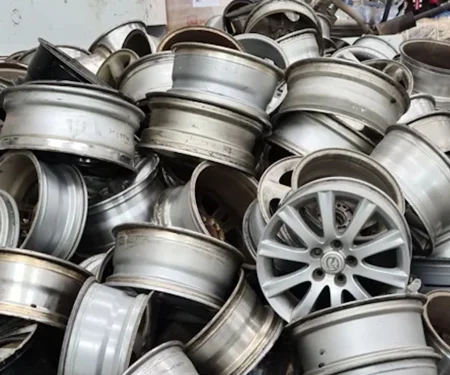
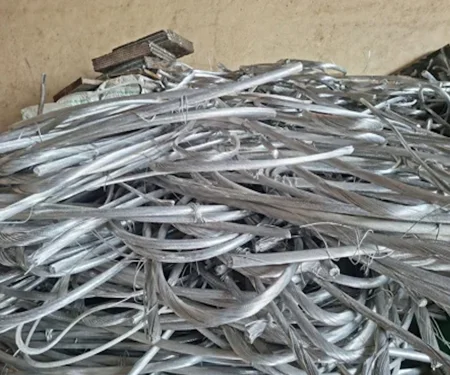
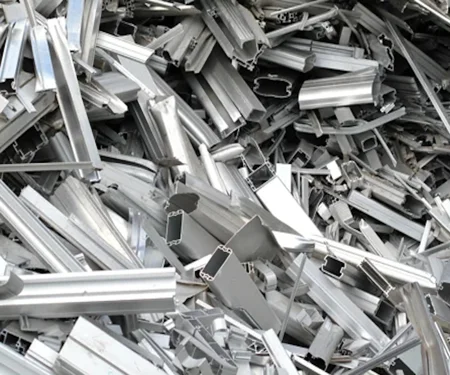
India’s aluminium exports to the UK surged from 17.1 million tonnes in FY2023–24 to 20.6 million tonnes in FY2024–25, marking a nearly 20 per cent year-on-year growth. This includes primary aluminium, downstream products, and scrap. But this momentum may falter if carbon-linked trade barriers begin to bite into margins.
According to GTRI, the looming tariffs could cost Indian exporters approximately between USD 108.5 million and USD 186 million annually, depending on the final carbon rates imposed by the UK.
Whether India’s aluminium sector can retain its global competitiveness in the CBAM era will depend on how swiftly it transitions to clean energy and how effectively it negotiates future climate-linked trade frameworks.
India’s emissions gap and cost of decarbonisation
India’s aluminium industry is among the most carbon-intensive globally due to its dependence on coal-fired electricity. The Council on Energy, Environment and Water (CEEW) estimates that India emits 20.88 tonnes of CO₂ per tonne of aluminium far higher than the global average of 15.1 tCO₂/tAl.
In contrast, Canada and Norway, which rely on hydropower, produce “green aluminium” with emissions below 10 tCO₂/tAl that gives them a built-in advantage under carbon pricing frameworks like CBAM.
CEEW estimates that India’s aluminium sector will need USD 29 billion in capital expenditure and USD 3.5 billion in annual operational costs to decarbonise. ICRA forecasts a need for USD 5 billion by 2030 and USD 20 billion by 2050, primarily for renewable energy integration and carbon capture technologies.
Vedanta and Hindalco step up green transition
India’s top aluminium exporters, Vedanta Aluminium and Hindalco Industries, are particularly vulnerable to the UK and EU’s upcoming CBAM regimes, especially in the absence of FTA exemptions.
Vedanta, which produced over 2.37 million tonnes of aluminium in FY2023–24, more than half of India’s total output is investing INR 1 lakh crore to expand low-carbon capacity in Odisha.
The company is targeting premium aluminium segments like EVs and aerospace, which are especially sensitive to carbon footprints. Vedanta has also developed a patented energy-efficient potlining technology that cuts energy use by 200–250 kWh per tonne of aluminium, a breakthrough recognised with the National Energy Efficiency Innovation Award by India’s Bureau of Energy Efficiency.
Hindalco, part of the Aditya Birla Group, has pledged INR 45,000 crore to expand its aluminium, copper, and specialty materials business. This includes a 100 MW round-the-clock hybrid renewable energy facility in Odisha, designed to cut emissions by 680,000 tonnes annually.
The company plans to scale its renewable energy use from 200 MW to 350 MW. Still, most of its smelting capacity remains reliant on captive coal-fired power.
Industry’s call for protection and support
In response to the carbon tax threat, the Aluminium Association of India (AAI) and other industry groups are lobbying the Indian government for relief. Their demands include financial support via production-linked incentives (PLI), retaliatory clauses in FTAs, and preferential access in bilateral negotiations.
“CBAM acts as a non-tariff trade barrier. Without adequate state support, many SMEs may exit the export market,” said an AAI spokesperson.
Commerce Minister Piyush Goyal has also criticised CBAM publicly, labelling it an irrational regulation that violates WTO principles and the Paris Agreement’s “common but differentiated responsibilities.” Goyal has warned that India could impose retaliatory measures if the UK and EU push ahead.
Ripple effects for the UK: aluminium supply at risk
While India’s aluminium industry braces for CBAM-related fallout, the UK may not emerge unscathed. The British packaging, construction, automotive, and electronics sectors depend heavily on competitively priced Indian aluminium. The UK imports most of its primary aluminium, making it highly vulnerable to CBAM-induced cost increases.
With carbon tariffs of up to 24 per cent, UK manufacturers could face rising input costs, inflationary pressure, and supply disruptions. The Aluminium Federation (ALFED) has already raised concerns that CBAM may force a shift toward lower-carbon suppliers such as Norway’s Norsk Hydro or UAE’s Emirates Global Aluminium—disrupting long-standing India–UK value chains.
Additionally, new carbon accounting requirements could burden UK importers with administrative overheads. In the absence of globally harmonised carbon pricing or transition frameworks, CBAM risks harming British manufacturers as much as it aims to protect local climate goals.
To feature your brand and share insights, contribute an article or interview in our forthcoming e-magazine " American ALuminium Industry: The Path Forward".












_md.webp)
_md.webp)
_md.webp)