您想继续阅读英文文章还
是切换到中文?
是切换到中文?

THINK ALUMINIUM THINK AL CIRCLE

Stock image for referential purposes only
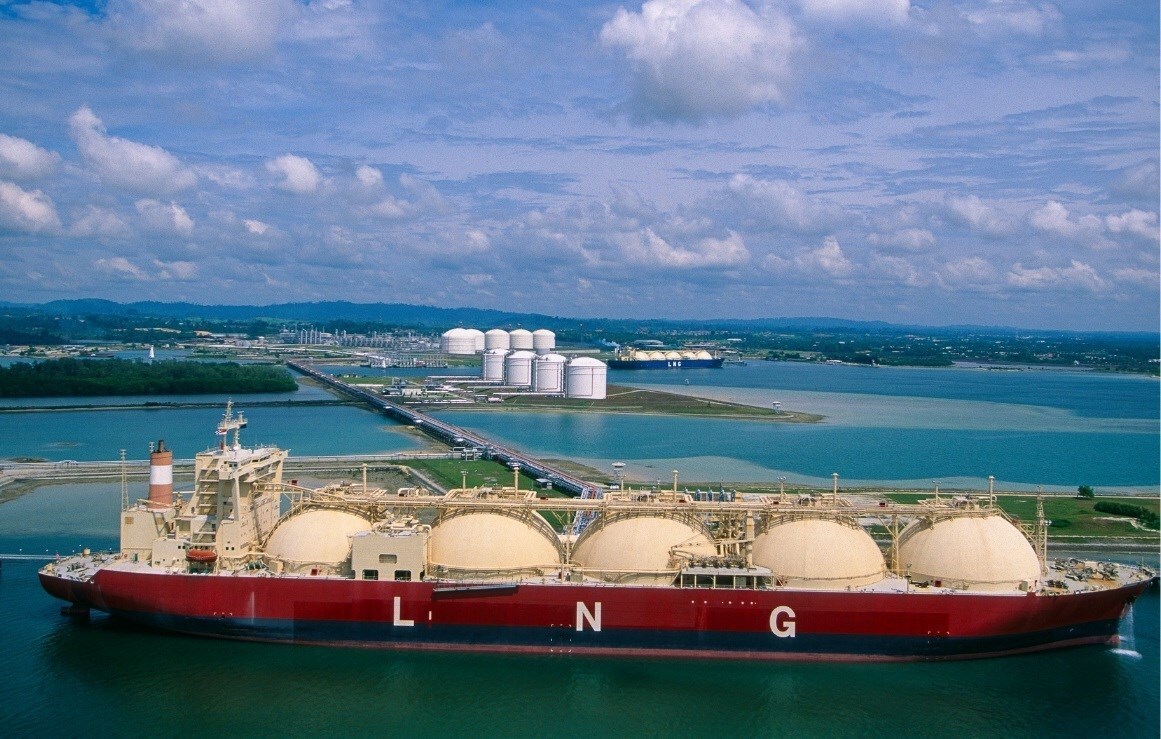
India has refused to purchase Russian liquefied natural gas cargoes covered by US sanctions despite growing supply pressure linked to tensions in the Middle East, highlighting New Delhi’s effort to balance energy security with rising compliance risks.
{alcircleadd}The decision has left at least one LNG shipment in uncertainty. A cargo from Russia’s sanctioned Portovaya LNG plant in the Baltic Sea has been unable to discharge after India declined to accept it, according to sources familiar with the matter. The 138,200-cubic-metre tanker Kunpeng, which had earlier indicated India’s Dahej LNG terminal as its destination in mid-April, is now waiting near Singaporean waters without broadcasting a final destination, according to LSEG shipping data.
Sources said the cargo had been tracked despite documentation indicating the shipment was non-Russian, underlining the difficulty of masking LNG trade flows. Unlike crude oil cargoes, which can be obscured through ship-to-ship transfers at sea, LNG shipments are significantly harder to conceal because of satellite monitoring and stricter traceability requirements.
Explore: The most comprehensive and forward-looking industry-focused report — Global Bauxite & Alumina Market Forecast to 2036: Supply–Demand, Trade Flows & Price Outlook
Russian LNG faces tougher acceptance than crude oil
India communicated its position during Russian Deputy Energy Minister Pavel Sorokin’s visit on April 30, when he met Indian officials including Petroleum and Natural Gas Minister Hardeep Singh Puri. The discussions marked Sorokin’s second visit to India within two months, and further talks could take place in June.
While India has continued importing large volumes of Russian crude oil, LNG has emerged as a more sensitive area because of direct US sanctions on Russian gas projects such as Portovaya LNG and Arctic LNG 2. Washington tightened sanctions on the Russian LNG sector in early 2025 over Moscow’s war in Ukraine.
India’s crude imports from Russia have continued largely uninterrupted, supported by a temporary US sanctions waiver introduced to help countries manage the global energy shock caused by the US-Israeli conflict with Iran, which began on February 28. However, LNG transactions carry higher compliance exposure, making Indian buyers more cautious despite Russia’s willingness to expand sales.
Sources said India remains open to purchasing authorised Russian LNG cargoes, although much of those available volumes are already committed to Europe. China, meanwhile, continues to be a major buyer of both sanctioned and non-sanctioned Russian LNG supplies.
Also read: Middle East conflict: Barring India’s crude oil import, fuelling food crisis and aluminium shortage?
Strait of Hormuz disruption deepens India’s energy concerns
The issue comes at a difficult time for India’s energy market. Before the Iran conflict disrupted shipping movements through the Strait of Hormuz, India relied on imports to meet nearly half of its natural gas consumption, with around 60 per cent of those imports passing through the waterway. More than half of India’s crude oil supplies also moved through the same route.
Alongside LNG discussions, Moscow is also seeking long-term agreements with India covering LNG supplies as well as fertilisers including potash, phosphorus and urea, as Russia looks to deepen trade ties with one of its largest energy buyers.
Don't miss out- Buyers are looking for your products on our B2B platform
Responses