India's push to localise the solar supply chain with ingot and wafer mandate from 2028

Striving for a circular economy and a sustainable future, India has decided to commission only domestically produced solar ingots and wafers for renewable energy firms, starting June 2028. Proposed by the Ministry of New and Renewable Energy (MNRE), the strategy is aimed at reducing dependency on Chinese imports to develop an integrated value chain for a localised solar manufacturing ecosystem.
Explore- Most accurate data to drive business decisions with Global ALuminium Industry Outlook 2026 across the value chain
The policy extends the present ones requiring locally assembled solar panels in government initiatives. Previous regulations allowed imports of upstream components like wafers, cells and polysilicon, but the new policy aims to ensure domestic value addition.
Additionally, reinforcing its phased approach to self-dependency in renewable power manufacturing, India has mandated the use of solar cells manufactured locally from June 2026.
At present, India has a solar ingot and wafer production capacity of around 2 GW, indicating scope for expansion. Companies such as Tata Power, Waaree Energies, and Indosol Solar have offered multi-billion-rupee investment plans to scale up domestic capacities.
The proposal complements India’s goal of achieving energy transition to 500 GW of non-fossil fuel-based power capacity by 2030, lowering reliance on global trade channels.
Don't miss out- Buyers are looking for your products on our B2B platform

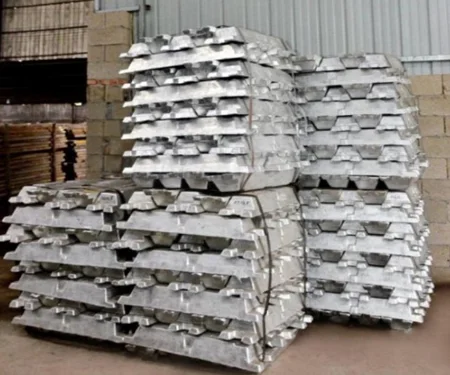
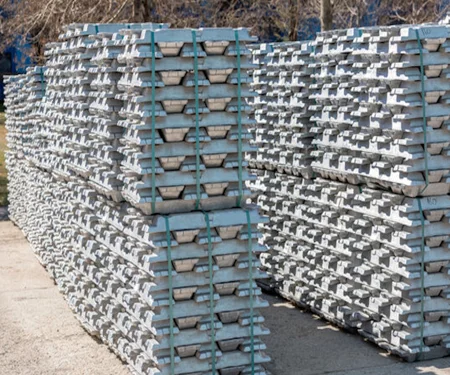
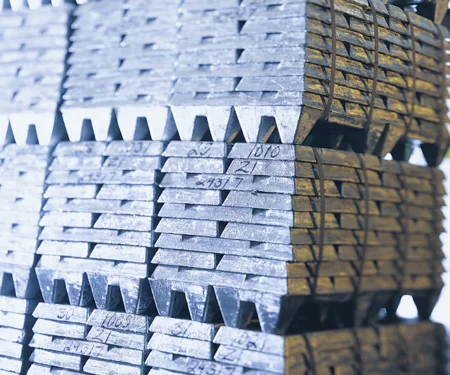
Image for referential purposes only
US–Brazil critical minerals deal hinges on Brasília’s go-ahead
Next articleGUVNL awards 625 MW solar project tender at a tariff of $0.025/unit amid competitive bidding
Grow with
AL Circle