Just when we thought ‘zero-for-zero’ was gathering dust in the diplomatic archives, India is breathing new life into the idea, and this time, the country is refusing to take no for an answer. Indian industry is rallying for tariff-free trade on aluminium, steel, and autos through a proposed Bilateral Trade Agreement (BTA) with the United States. And aluminium, the often-overlooked metal powering everything from EVs to skyscrapers, is quietly hoping for its moment in the sun.
Image Source: https://www.cfr.org/
According to a publication by India’s Ministry of External Affairs, officials suggested that the zero-for-zero offer could potentially aid in fast-tracking the proposed BTA between the bipartisan, which may, in turn, pave the way for rolling back the 26 per cent reciprocal tariff on Indian goods imposed by the US starting April 9.
However, the concession is not exempt from conditions. Sources confirmed that the government plans to impose rigorous rules of origin, requiring at least 30-40 per cent local value addition alongside a change in tariff heading. This condition is aimed at preventing third-country goods from entering the Indian market through the US at concessional duties.
The context: From deadlock to diplomacy 2.0
Let’s rewind a bit. Back in the day, the idea of ‘zero-for-zero’, where two countries mutually agreed to eliminate tariffs on specific industrial goods, was floated by both India and the EU. But the EU’s proposal got a hard pass under the Trump administration. We have traced that dead-end, along with India’s sporadic stance on the prevailing trade relations issues, and why aluminium remained stuck under high US tariffs thanks to Section 232 national security provisions.
Fast-forward to now, and the political winds have shifted. India is refocusing its efforts on a more bilateral strategy, hoping that a one-on-one meeting with the US might yield better results than trying to build consensus in a multilateral sandbox.
Why does aluminium need this win?
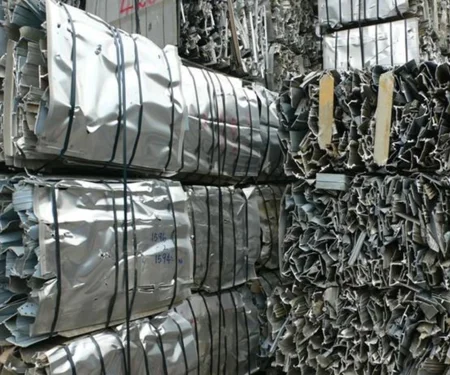
While steel tends to hog the spotlight, aluminium has been silently bearing the brunt of global trade skirmishes. Despite being a critical input for green tech and aerospace, Indian aluminium exports face steep tariffs in the US, while local producers battle rising costs and competition from subsidised global giants.
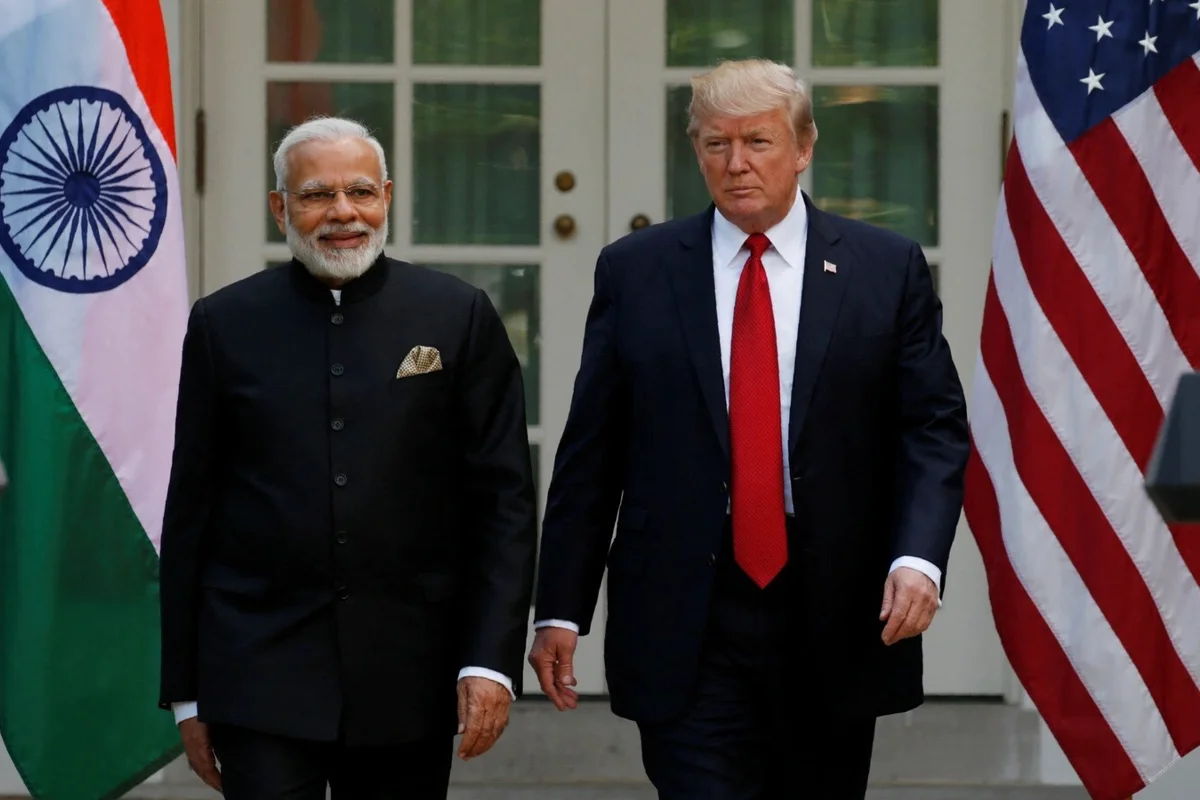
The rapid development of US-India defence ties in the recent past has sometimes obscured the fact that the BTA relationship has been strained for a while. The United States objects to India’s protectionism, while India sees the United States as insufficiently accommodating its position as a developing country. President Trump has invited Prime Minister Modi to visit Washington this week to meet with him. Top of the agenda will be the issue of bilateral trade.
India has a USD 35 billion trade surplus with the United States, and President Trump has complained about the US trade deficit with India and others. However, although tariffs are likely to be the looming issue given President Trump’s threats towards Canada, Mexico, China, and Europe, the US administration also needs to understand where India stands on important norms in the international trade order, particularly if, as reports suggest, a trade deal is in the offing.
According to industry insiders, zero-for-zero could unlock major export potential. “It’s high time the global playing field was levelled. India’s aluminium industry suffers from tariff and non-tariff barriers, especially in the US,” says a senior Aluminium Association of India representative.
India Inc.’s pitch? Drop the tariffs, and we’ll drop ours. It’s a straightforward deal that sounds simple on paper but could shake up trade dynamics if realised. The proposed BTA could be the vehicle to drive this change, especially with ongoing dialogues between Indian ministries and US trade reps intensifying.
“Industry has asked the government to include steel and steel products, aluminium, auto and auto components in the talks for the trade deal. We are ready to lower tariffs to zero so the US can eliminate duties on these items, too. Both sides will have to agree for this,” a source mentioned to Money Control.
The Indian government is also under pressure to show tangible progress in trade diplomacy after long-stalled FTAs and past BTA false starts. Aluminium is emerging as a bargaining chip and a symbol of India’s push for manufacturing self-reliance.
“Exporters are facing pushback on price negotiations, and shipments are getting held up, so these sectoral tariffs are having an impact, especially on Indian steel and aluminium exports,” the source added.
Optimism is still in the air
As part of its broader trade ambitions, both nations aim to more than double their two-way trade to reach USD 500 billion by 2030.
For its part, the US has remained cautious but not dismissive of zero-for-zero or, for that matter, BTA with India. As global supply chains rewire and clean energy transitions accelerate, there’s a strategic logic to easing trade restrictions on aluminium. India exported USD 8.9 million worth of vehicles to the US in 2024, compared to USD 6.98 billion in global exports, meaning just 0.13 per cent of the country’s car exports are US-bound.
Trade agreements signed by India, including its various free trade agreements (FTAs), typically include rules that ensure only products genuinely manufactured or substantially transformed in India qualify for preferential treatment, such as reduced or zero import duties in the partner country. One of the key conditions in these agreements is a 35 per cent value addition benchmark. This means that at least 35 per cent of the product’s final value must be added within India.
In practical terms, it ensures that the product has undergone a meaningful level of processing or manufacturing in the country rather than being lightly assembled or repackaged.
In addition to value addition, these agreements also require a change in tariff classification at the four-digit level of the Harmonised System (HS) of tariff codes. The HS system is an international nomenclature used to classify traded products. A change at the four-digit level signifies that the product has been transformed enough to fall under a different category from the one it was imported.
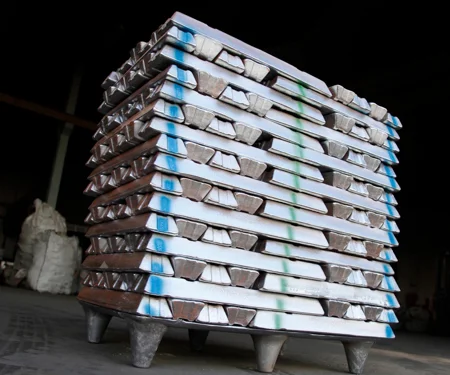
For example, if raw aluminium (say HS code 7601) is processed into aluminium doors and frames (HS code 7610), that would qualify as a significant transformation.
For now, India’s second wind on the zero-for-zero front signals a calculated trade posture. If the aluminium sector gets the relief it’s been craving, it could mark a new phase altogether for exports and the entire downstream value chain.