Hydro, Nexans sign 85kt low-carbon aluminium deal to back Europe’s power grid

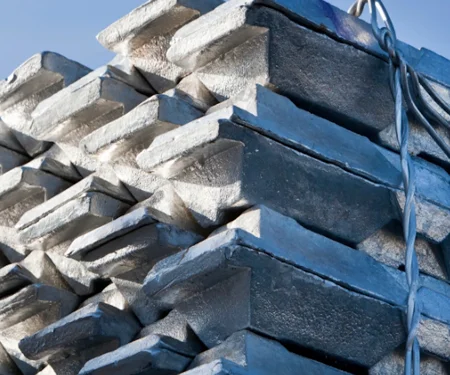
Stock image for referential purposes only
Aluminium and renewable energy company Norsk Hydro has signed a five-year supply agreement with Nexans, a global cable and optical fibre company, to deliver around 85,000 tonnes of low-carbon aluminium wire rod spanning from 2026 to 2030. The partnership reinforces Europe's efforts to transform and modernise its electricity grid and expand renewable energy infrastructure.
The aluminium would be produced in Norway using renewable energy and supplied through Hydro's low-carbon aluminium brand, Hydro REDUXA, which has a verified carbon footprint of less than 4.0 kg CO₂ per kg of aluminium, i.e., under one-third of the global industry average.
Delve deeper into the recycled aluminium and secondary aluminium market with our World Recycled ALuminium Market Analysis Industry forecast to 2032
The agreement aligns with Hydro's investment to expand aluminium wire rod production at its Karmøy primary aluminium plant, enabling higher output of products specifically developed for the growing electricity transmission and distribution market.
As Europe transitions from sourcing “fossil energy” to using “domestically produced renewable power,” the “demand for modern electricity infrastructure” has been on the rising graph, as noted by Hanne Simensen, Executive Vice President of Hydro Aluminium Metal.
Thus, Hydro has partnered with Nexans to offer “stable and reliable supply of the low-carbon aluminium solutions Europe needs to strengthen its grid, competitiveness and energy security.”
To learn about the autonomous furnace tending in aluminium cast houses from RIA Cast House Engineering, join the webinar Autonomous furnace tending in aluminium cast houses: Improving safety, productivity and yield
The aluminium supplied under the contract is to be used in medium-voltage power cables, overhead transmission lines and subsea high-voltage cable systems, which are considered essential for reinforcing Europe's electricity network.
The partnership has emerged at a time when access to critical raw materials increasingly becomes a crucial input for grid expansion projects. Aluminium has already been recognised by the EU as a critical material, with Norway accounting for 40 per cent of Europe's primary aluminium production.
According to both companies, the long-term agreement is intended to provide greater supply security while supporting the continent's decarbonisation agenda through predictable industrial cooperation.
Vijay Mahadevan, Executive Managing Director for Europe and Chief Operations Officer at Nexans, stated, “Europe's electrification ambitions depend not only on generating cleaner energy, but also on building the infrastructure needed to transport it efficiently and reliably.”
"Securing long-term access to responsibly produced aluminium is essential for delivering the critical grid infrastructure Europe needs over the coming decade," he added.
By combining long-term material supply with low-carbon aluminium production, Hydro and Nexans aim to support the development of more resilient and sustainable electricity infrastructure as Europe accelerates its energy transition.
Explore the position of aluminium at the intersection of sustainability and strategy in Sustainability & Recycling: Aluminium's Dual Commitment
Türkiye’s 120 GW renewable target puts grid modernisation and aluminium demand in focus
Next articleHydro signs 10-year renewable power agreement with Eviny to support low-carbon aluminium production
Grow with
AL Circle