Hydro CIRCAL, a part of the R. Buckminster Fuller geodesic dome reconstruction

Hydro is supplying extruded aluminium structural members made from Hydro CIRCAL, the company's certified aluminium product containing at least 75 per cent recycled, post-consumer scrap, to a student-led Catholic University team that is reconstructing an iconic R. Buckminster Fuller geodesic dome inside the Smithsonian's National Museum of American History.
Weatherbreak's student-led reconstruction at the Smithsonian's National Museum of American History started in early July and will be on display through the end of the month. Visitors to the museum will be able to see the building process and, once completed, walk within the dome as part of an exhibit.
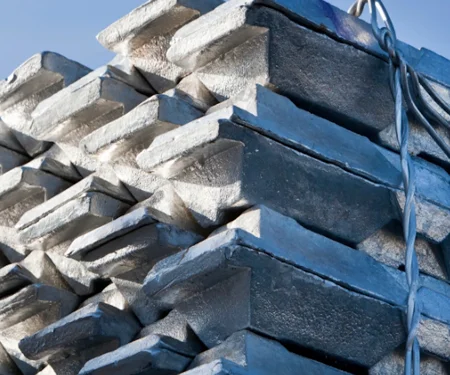
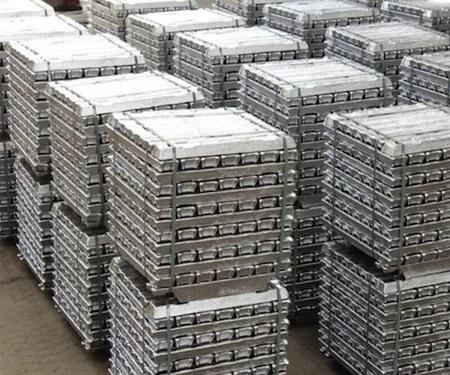
At its extrusion factory in Elkhart, Indiana, one of the company's several production facilities in North America providing the building and construction sector, Hydro turned this recycled material into the extruded profiles utilised in the structure.
"Thanks to Hydro, we can participate in the restoration of a truly historic piece of architectural history. This project is a great learning experience for our students and the use of varied materials is an integrated part of their architecture education. We are looking forward to learning more about the benefits of aluminum as a sustainable building material through the partnership with Norsk Hydro," said Tonya Ohnstad, an assistant professor at Catholic University's School of Architecture and Planning.

In addition to repairing parts for the original building, Hydro claims it supplies enough material for Catholic University to build a duplicate dome for a future travelling show. Using the theories of renowned American architect, inventor, and futurist Buckminster Fuller, Jeffrey Lindsay, a former Fuller student and director of the Fuller Research Foundation's Canadian Division, designed and oversaw all aspects of the 8-frequency hemispherical icosahedron's manufacturing and installation.
"Hydro is pleased to partner with Catholic University to assist the Smithsonian in helping revive this historic structure. The team at our Henderson, Kentucky, recycling plant was able to produce extrusion ingots for this historic project almost entirely from postconsumer scrap, the reuse of which is critical to improve sustainability," added Remarks Trond Gjellesvik, president of Hydro Aluminum Metals USA.
The original dome, currently on display at the museum, was constructed of almost a thousand parts, many of which have been lost or deteriorated over time. Hydro claims to be supplying extruded aluminium created using Circal, which has the lowest carbon footprint of any aluminium product manufactured today, to assist in filling in the gaps left by these absent components.

“By increasing the use of postconsumer scrap and driving toward 100 percent recycled content, aluminum can play a vital role in decarbonizing the building industry. By taking end-of-life aluminum scrap and transforming it back into building components, we feel this project highlights the potential of aluminum to address climate change in unique ways,” stated Charlie Straface, president of Hydro Extrusion North America.
Hydro’s 23 North American extrusion sites achieve ASI Performance Standard V2 certification
Next articleBoomerang aluminium bottles cross boundaries with a redefined sense of sustainability
Grow with
AL Circle