Technology is reshaping Europe's aluminium recycling value chain - meet the players behind this change
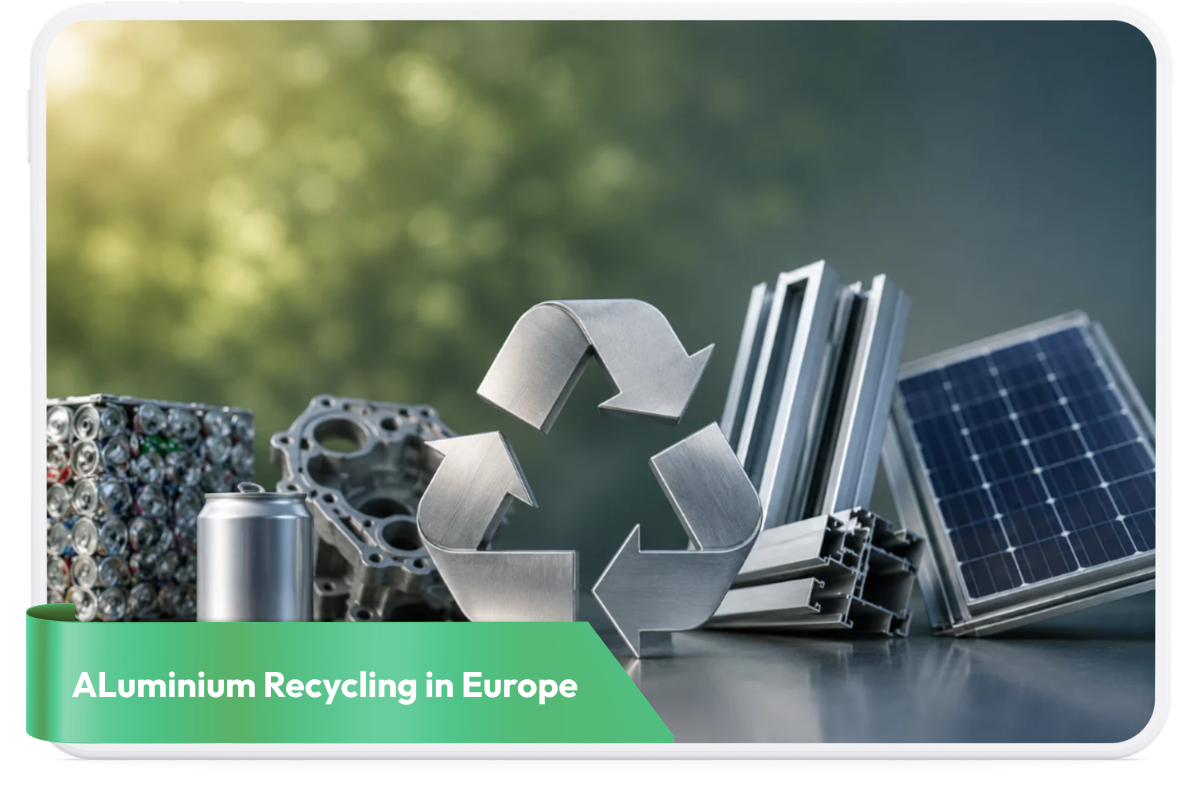
The image(s) used in this article is generated with an AI tool and does not depict any real-time moment
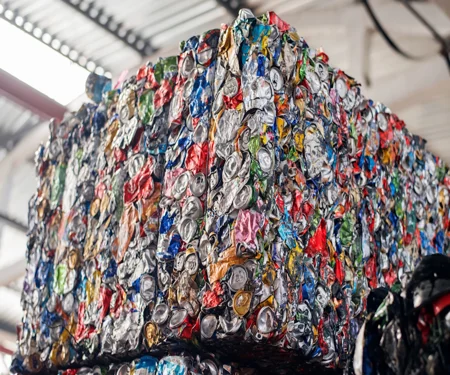
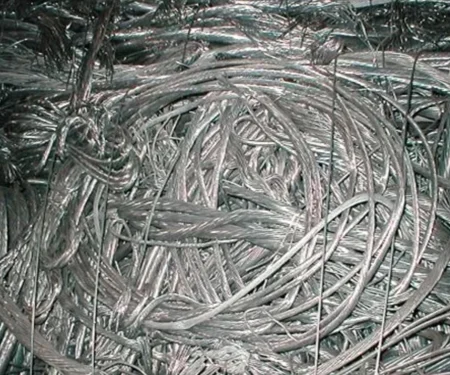
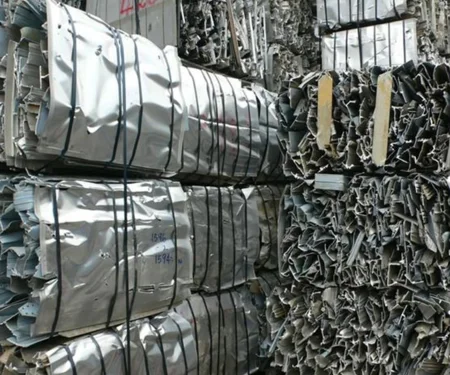
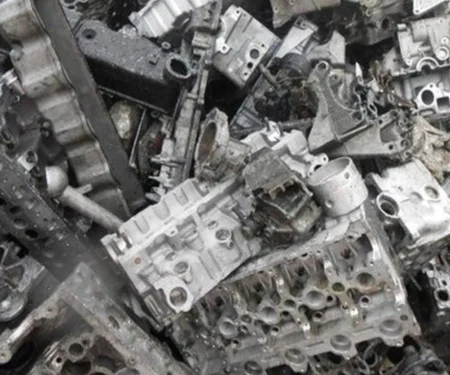
An old car engine, a stack of used beverage cans, a demolished window frame and even a retired solar panel may look like waste, but across Europe they are increasingly being treated as valuable raw materials. What determines whether they end up in landfill or become high-grade recycled aluminium is one thing: technology.
With the help of advanced technologies, recycling rates in Europe already exceed 90 per cent in sectors such as automotive and construction, while aluminium beverage cans are recycled at rates of around 75 per cent. Behind these numbers is a network of sorting specialists, furnace makers, recyclers and collection companies that are quietly reshaping the aluminium supply chain.
For many recyclers, the process starts long before the metal reaches a furnace. The first challenge is knowing exactly what kind of scrap has arrived.
Technology Providers
STEINERT (Germany)
Germany-based STEINERT has played a key role in advancing aluminium recycling by establishing Europe's first LIBS-based sorting plant for aluminium scrap. Its approach focuses on separating and identifying different aluminium alloys before they reach the melting stage, improving both efficiency and material quality.
The company's process combines X-Ray Transmission (XRT) and Laser-Induced Breakdown Spectroscopy (LIBS) technologies. XRT first separates materials based on density, distinguishing heavy metals from lighter materials while identifying aluminium compounds, free magnesium, and wrought and cast aluminium fractions. LIBS then uses high-energy laser pulses to analyse the elemental composition of each piece, enabling precise alloy identification.
STEINERT's XSS T EVO 5.0 XRT platform can achieve aluminium purity levels of up to 99.8 per cent, while its PLASMAX | LIBS system sorts three product streams simultaneously, delivering purity levels above 95 per cent at processing rates of 3–6 tonnes per hour. The technology is designed to produce ready-to-smelt 5xxx and 6xxx aluminium grades, reducing the need for further downstream refining.
TOMRA (Norway)
Coming to TOMRA, the Norway-based recycling company shows how, in addition to LIBS-sorting, artificial intelligence is now entering the recycling yard.
For years, X-ray transmission technology was the standard way to separate heavy metals from mixed scrap. But as demand for alloy-specific recycled aluminium increased, traditional sorting alone was no longer enough. TOMRA's answer has been to build a multi-stage process rather than rely on a single machine. TOMRA's innovative approach goes far beyond traditional sensor-based sorting. By launching powerful Dynamic-LIBS and AI solutions, the company has developed an enhanced multi-stage process that delivers the highest sorting performance currently available.
The first step is X-TRACT™, introduced in 2022, which removes heavy metals such as copper, brass and zinc, together with high-density wrought aluminium and high-alloy cast fractions. The next stage is GAINnext™, launched in 2024. Using deep-learning AI, it analyses thousands of images to identify low-alloy cast materials and low-density contaminants, including used beverage cans, that conventional systems may miss. The final stage uses AUTOSORT™ PULSE, introduced in 2023, where dynamic LIBS technology carries out rapid elemental analysis to distinguish one aluminium alloy from another.
Working in sequence, these three technologies create a high-purity aluminium stream capable of meeting the quality demands usually associated with primary metal.
GHI Smart Furnaces (Spain)
Sorting may determine the quality of the scrap, but the real test comes when it enters the furnace. That is where GHI Smart Furnaces has carved out its place in the European market.
The Spanish company has supplied the world's largest 65-tonne rotary tilting furnace to Befesa Asua, integrating it with Industry 4.0 features aimed at improving process control and reducing waste. It has also commissioned a 30-tonne tilting rotary furnace for the new Latem Aluminium recycling facility in Villadangos.
GHI's furnace technology is designed to recover aluminium even from lower-quality scrap streams. The company has supplied multiple units to European rolling mills, including a third furnace for Eurometal S.A. in the Eko-Świat Group. Compared with conventional designs, these furnaces generate less waste and make dross removal and cleaning easier, helping operators recover more usable metal from every batch.
OTTO JUNKER (Germany)
Once aluminium scrap has been separated into clean, high-value fractions, it still has to be melted without losing quality. That is where Germany's OTTO JUNKER fits into the picture. The company is not a recycler itself, but one of Europe's best-known suppliers of industrial furnace technology for the secondary aluminium industry.
Its portfolio includes coreless induction melting furnaces, channel induction furnaces and the patented Liquid-Metal-Flow-Heater. Among its flagship developments is a 70-tonne jumbo induction melting furnace, equipped with an integrated stirring mechanism that allows scrap to be incorporated directly while keeping oxidation losses to a minimum. For more challenging feedstock, OTTO JUNKER also offers a rotary kiln furnace, designed to remove organic coatings and impurities from contaminated scrap before the remelting stage.
The company's partnership with Speira has also produced the Liquid-Metal-Flow-Heater, a system that uses an electromagnetic pump to circulate molten aluminium through an induction heater. The concept allows existing gas-fired furnaces to be electrified, cutting CO₂ emissions while maintaining the quality of the molten metal. Read World Recycled Aluminium Market Analysis Industry Forecast to 2032 report.
TSR Recycling (Germany)
Of course, not every load of scrap arrives neatly sorted. A large part of the job involves dealing with mixed and often contaminated material, and that is where TSR Recycling has built its expertise.
The process starts with conventional mechanical treatment. Aluminium-bearing scrap passes through shredders and crushers before magnetic separators remove ferrous metals. Next come eddy current separators, which use the conductive properties of non-ferrous materials to isolate aluminium from the remaining waste stream.
The finer work is carried out by sensor-based systems. Near-infrared (NIR), X-ray transmission (XRT) and optical sorting technologies separate different aluminium grades while removing plastics, rubber, glass and other contaminants. Digital process monitoring and automated material handling support the operation, ensuring that the cleaned and graded scrap can be supplied directly to remelters, foundries and secondary aluminium producers.
CANCOM (Germany)
As aluminium recycling becomes more advanced, digital traceability is becoming just as important as physical processing. Through the RecAL Dataspace, CANCOM provides a secure digital infrastructure that enables companies and institutions to exchange data without relying on a single centralised platform.
The system improves traceability and transparency by allowing information on scrap origin, processing history and quality parameters to be shared securely while remaining under the control of the data owner. Using standardised data models and interoperable services, it helps recyclers, Tier 1 suppliers, OEMs and manufacturers make better-informed decisions across the European aluminium value chain.
Collection & Infrastructure Companies
Returpack (Sweden)
None of these technologies would matter without a reliable supply of scrap. That is why collection systems are just as important as the sorting plants and furnaces that follow them.
In Sweden, that role belongs to Returpack AB, which operates the country's national deposit return system under the Pantamera brand. Through a nationwide network of reverse vending machines and collection points, the organisation recovers nearly 3 billion cans and bottles every year.
The result is a consistent supply of clean, source-separated used beverage cans, providing recyclers with high-quality aluminium scrap that can be remelted again and again with minimal material loss.
Infinitum (Norway)
A similar model has been developed across the border in Norway. Infinitum manages the country's deposit return system and is recognised for achieving some of the world's highest collection rates for aluminium beverage cans.
The organisation collects and sorts used cans through an extensive network of reverse vending machines and collection points before preparing them for recycling. Under a long-term partnership, the recovered cans are processed by Novelis, one of the world's largest aluminium recyclers, where they are remelted and turned back into new beverage containers. It is one of Europe's clearest examples of a functioning closed-loop recycling system.
CANPACK Recycling (Poland)
The final piece of the puzzle is making sure that as many cans as possible actually find their way back into the recycling chain. In Poland, CANPACK Recycling is helping to build that link.
The company, which serves as the recycling and procurement arm of the CANPACK Group, collects and purchases used aluminium beverage cans through a network of packaging waste collection facilities across the country. The collected material is then prepared for remelting, creating a dependable stream of high-quality secondary aluminium feedstock.
At the same time, CANPACK has also promoted the broader concept of the circular economy through public awareness campaigns. Its long-running partnership with the BNP Paribas Green Film Festival and collaboration with the Every Can Counts (ECC) initiative are aimed at encouraging consumers to return used cans, reinforcing the idea that what is thrown away today can become the raw material for tomorrow's products.
Participate in our upcoming e-magazine 'Sustainability & Recycling: Aluminium's Commitment 2026' to showcase your green initiative stance to the world industry leaders and beyond
Note: This is exclusive coverage by AL Circle and may not be reproduced, republished or shared without prior permission.

SACA, a new coalition, debuts to support growth of recycled aluminium production in the US
Next articleSuperAlloy sees revenue growth as carmakers increase the use of recycled aluminium
Grow with
AL Circle