How Dhaatu Fabex turns 100% NALCO metal into India’s aluminium extrusion advantage
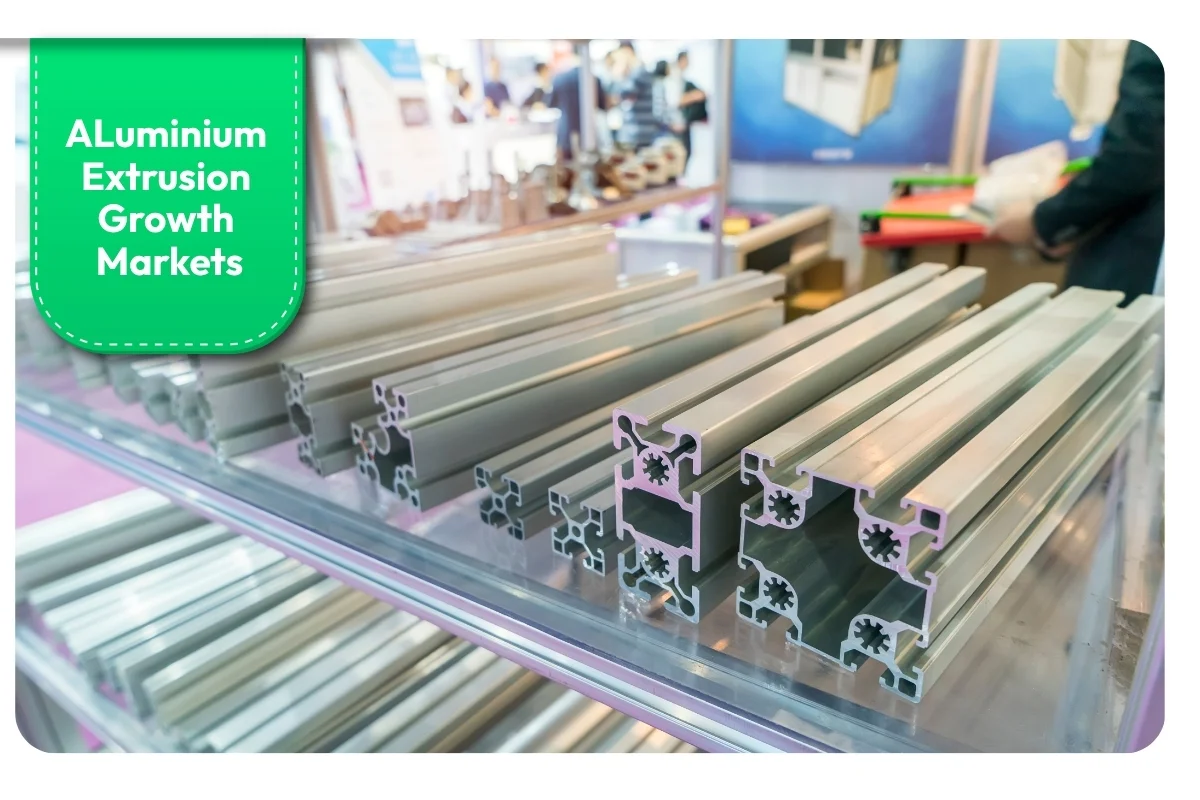
The image used in this article is generated with an AI tool and does not depict any real-time moment
Aluminium extrusion is quietly powering the global sustainability shift, ranging from solar mounting systems and renewable energy infrastructure to aerospace, electrification, industrial automation and next-generation mobility. Its combination of low weight, durability and recyclability makes aluminium sit at the core of this shift. Against this backdrop, India’s aluminium extrusion industry is gaining momentum, with Dhaatu Fabex emerging as one of the companies strengthening the country’s position in the global aluminium extrusion market.
Dhaatu Fabex Pvt. Ltd is an Odisha-based producer of engineered aluminium extrusions and alloy billets, positioning itself in higher-value applications including renewable energy, automotive, aerospace, electrical systems and industrial automation. Located at Angul Aluminium Park, the company differentiates itself through its use of NALCO’s primary aluminium (ingots), combined with extrusion, billet-making and casting capabilities, thereby adding value within India’s aluminium ecosystem. With the vision to provide industrial, environmental, and material advantages, the company is striving to secure 100 per cent molten aluminium from NALCO.
Company and operating model
Dhaatu Fabex, as a producer of premium extruded aluminium products, serves demanding industrial, renewable-energy, aerospace and automotive markets. It also manufactures alloy billets, including hard and special alloys for extrusion.
Its operating model can be viewed as a four-fold structure across 2 furnaces with 5 million tonnes capacity, each, serving both commercial and industrial customers.
- Primary-metal sourcing: The company says it obtains all of its raw material directly from National Aluminium Company or NALCO’s primary smelter, serving the industrial customers.
- Billet manufacture: It produces aluminium alloy billets, including hard and specialised grades intended for extrusion.
- Extrusion and fabrication: Heated aluminium billets are forced through dies to make customer-specific cross-sectional profiles; the company also highlights casting.
- End-use applications: The profiles and components are marketed for solar, automotive, aerospace, defence, railways, electrical/electronics, automation, construction and industrial uses.
Primary aluminium (ingots) from NALCO
A central part of Dhaatu Fabex’s position in the industry is that it sources 100 per cent of its primary aluminium (ingots) raw material from NALCO’s primary aluminium smelter and also trying to secure molten aluminium from them.
Molten aluminium is primary aluminium supplied in liquid form rather than as solid ingot. When a downstream producer receives molten metal directly from a smelter, it can cast the metal into extrusion billet without first remelting solid metal. Thus, it helps to:
- Reduce remelting energy requirements.
- Reduce metal-handling and transport steps.
- Lower oxidation and melt-loss risk associated with remelting.
- Improve production responsiveness.
- Support more controlled alloy and billet preparation.
These are potential operational advantages of molten-metal supply that could enhance operational efficiency at the Dhaatu Fabex facility. The company’s location at Angul Aluminium Park places it near Odisha’s primary-aluminium ecosystem.
Extrusion solutions and products
Dhaatu Fabex markets standard as well as custom aluminium profiles, widening the array of options for its customers. With powder coating solutions at own facility, following are the solutions offered by Dhaatu to meet diverse industry requirements:
Renewable-energy profiles
Dhaatu Fabex offers more than 100 standard solar-profile designs, with customised options for project-specific requirements. Its renewable-energy range includes:
- Solar and wind mill profiles
- Solar-panel frames.
- Ground-mount and rooftop mounting structures.
- Racking systems.
- Structural profiles for solar installations.
These are lightweight, corrosion-resistant profiles, designed for durability in outdoor conditions. These properties are relevant for solar systems, where frames and mounting structures must withstand wind loads, moisture, heat cycles and extended outdoor exposure.
Electrical and electronics
The company offers profiles and components for electrical and electronics applications, including:
- High-performance aluminium IPS tubes
- Electrical busbars
- Precision heat sink extrusions for thermal management
- Aluminium solutions for LED and industrial applications
- Aluminium pipes and hollow extrusions in round, square, rectangular, oval and hexagonal forms.
These products are marketed for their conductivity, heat dissipation, corrosion resistance and durability. Heat sinks are especially relevant in LED lighting, electronics and industrial systems because their fin geometry increases surface area and helps transfer heat away from heat-generating components.
Dhaatu also offers customising options for aluminium extrusions to include specifications for various industries such as aerospace, marine, electrical, and advanced industrial sectors.
Regarding its power infrastructure, it promotes profiles for transmission-and-distribution systems and electrical-panel applications.
Building and construction
The company is undertaking a revolutionising venture in the architectural sphere, providing:
- Doors and window profiles
- Premium architectural profiles
- Premium aluminium sliding doors
Offering customised solutions, weather-resistant materials, and energy-efficient designs, Dhaatu contributes in enhancing appearance and performance. The sliding doors are built using “high-grade aluminium alloys and precision fabrication techniques” for seamless movement and weather resistance. These are crafted with a balanced blend of strength, durability and aesthetic approach, increasing choices in stylish, sustainable, and long-lasting solutions.
Automotive, aerospace and transport components
The company produces lightweight, durable aluminium components for automotive and aerospace industries using advanced technology, strict quality control and upholding sustainability goals. Its identified applications include:
- Aerospace aluminium extrusions
- Aircraft frames
- Engine components
- Transmission systems
- Custom aluminium fabrications
- Aluminium automotive parts
- Defence and railway-related applications.
Dhaatu Fabex uses CNC machining, extrusion and casting to supply these markets, with a focus on high strength, corrosion resistance and weight reduction, boosting “consistency, reliability, and long-term durability.”
Automation and industrial profiles
Dhaatu Fabex supplies aluminium extrusions for:
- Construction and industrial machinery
- Transportation systems.
- Electronics
- Renewable energy
- Industrial automation systems
These applications typically use aluminium profiles for they are lightweight, corrosion-resistant, easily machined and adaptable to modular designs. The company says its profiles are designed to meet the dimensional and performance requirements of automated operations.
Contribution to India’s aluminium industry
Dhaatu Fabex contributes to the Indian aluminium industry primarily through downstream value addition. India has a substantial primary aluminium base, but the economic value of aluminium increases when primary metal is converted into billets, extrusions, fabricated systems and performance-specific components.
The company’s contribution can be traced in five layers:
- Local downstream conversion: It converts primary aluminium into alloy billets and extrusion products within Odisha rather than treating primary metal only as a commodity input.
- Primary-to-downstream linkage: Its molten-metal sourcing from NALCO connects a major Indian primary producer with a downstream extrusion operation.
- Support for solar infrastructure: Solar frames, mounting sections and racking profiles support India’s renewable-energy build-out.
- Industrial diversification: Electrical, electronics, automation, transport, aerospace and automotive profiles broaden aluminium consumption beyond conventional construction markets.
- Engineering and import substitution potential: Custom extrusion, alloy-billet manufacture and CNC capability can support domestic sourcing of application-specific aluminium products, although the company does not publish figures for output, import replacement, market share or export volumes.
Dhaatu Fabex’s strategic relevance lies in its attempt to combine proximity to primary aluminium, molten-metal sourcing, alloy-billet preparation and custom extrusion into a more integrated downstream business. Its broad application mix positions it in sectors likely to drive Indian aluminium demand: solar infrastructure, electrification, industrial automation, mobility and specialised engineering.
Note: This is exclusive coverage by AL Circle and may not be reproduced, republished or shared without prior permission.
Taber Extrusions launches North America’s largest aluminum press in $70m expansion
Next articleNovelis expands coated aluminium solutions for electric mobility, energy storage
Grow with
AL Circle