Green wheels: Stadler strikes supply deal with FdC to design more hydrogen-powered aluminium trains
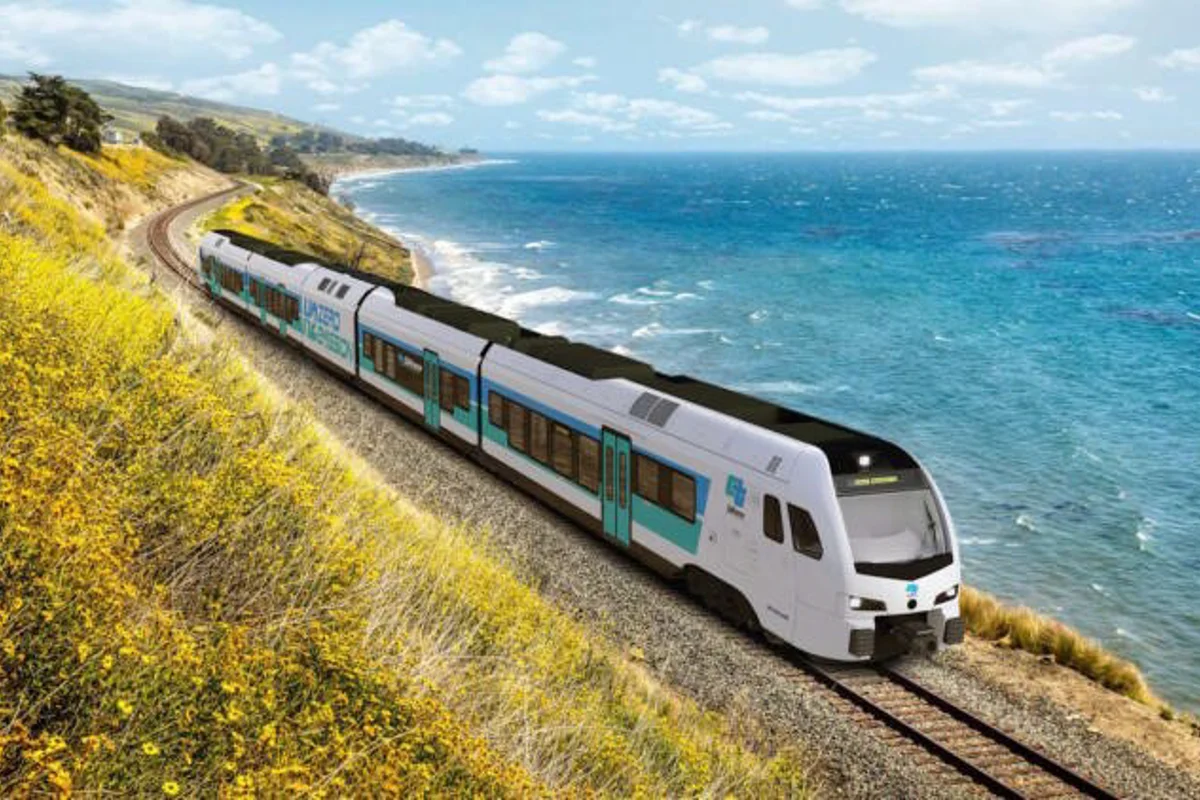
Italy-based railway operator Ferrovie della Calabria (FdC) embarked on an agreement with Swiss company Stadler for the procurement of three additional narrow-gauge hydrogen trains, with an additional requirement of up to 15. Notably, these trains mark Stadler as the global pioneer in crafting narrow-gauge marvels with hydrogen propulsion, leveraging lightweight aluminium structures for enhanced energy efficiency.
Stadler's innovative approach extends beyond revolutionising rail transport with hydrogen power; it encompasses a commitment to sustainability through the incorporation of aluminium in their train bodies. The technical marvel of these narrow-gauge wonders lies in their aluminium-rich composition, contributing to both structural integrity and environmental responsibility.
Unique specifications of Stadler’s hydrogen-powered narrow-gauge trains
The hydrogen-powered narrow-gauge trains by Stadler boast a composition of two passenger cars and a power pack, all constructed with lightweight aluminium structures. This strategic use of aluminium not only ensures energy efficiency but also aligns with the broader vision of creating sustainable rail transport. Each train, spanning approximately 50 meters, accommodates 155 passengers with 89 seats, embodying a low-floor design for full accessibility, including passengers with reduced mobility, pushchairs, and bicycles.
Stadler played a pioneering role in developing and producing hydrogen-powered narrow-gauge multiple units, underlining its contribution to decarbonising rail transport in Italy. The aluminium bodies of these trains play a skeletal role in materialising this vision, offering a lightweight yet robust solution for sustainable transportation.
How can this supply agreement revolutionise the railway transportation sector?
Beyond the material innovation, Stadler's commitment to sustainability extends to its comprehensive collaboration with FdC, promising the delivery and maintenance of a total of 15 hydrogen-powered trains. This collaboration reflects FdC's dedication to modernisation, aligning with its broader mission of becoming a modern and sustainable transport company within the next three years.
In essence, Stadler's foray into hydrogen-powered narrow-gauge trains exemplifies a holistic commitment to sustainability, incorporating lightweight aluminium bodies to redefine the ecological footprint of rail travel. As these trains are poised to enter service in 2026, the collaboration between Stadler and FdC emerges as a milestone in shaping a more environmentally friendly and sustainable railway system.
If you are interested in learning more about the entire aluminium industry, please have a look at AL Circle's special report, Future of Aluminium in the Transportation Sector.
Austal secures contract to construct state-of-the-art aluminium catamaran for Rottnest Fast Ferries
Next articleWorld’s first Kombucha in sustainable packaging: Mortal unveils 16oz recyclable aluminium bottles
Grow with
AL Circle