Geopolitical disruption raises costs for India’s real estate: aluminium price weighs in

India’s real estate sector is facing pressure due to rising construction costs and supply disruptions owing to the Strait of Hormuz and the Middle East’s ongoing tension. Developer margins potentially decline by about 5 per cent in the short term. Overall construction costs have increased by 10-15 per cent. The main causes are higher raw material prices and supply constraints.
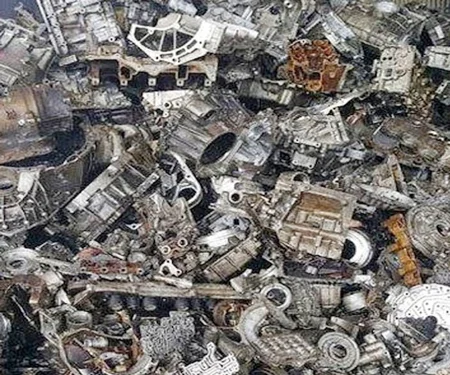
Prices of key materials have increased. Since March, aluminium prices have risen by around 4 per cent, while steel prices have increased by nearly 9 per cent. These materials are important in most construction activities, especially in high-rise and urban projects.
For the global aluminium value-chain 2026 outlook, book our exclusive report “Global ALuminium Industry Outlook 2026"
Tile production in Morbi, Gujarat, has stopped for five days. Morbi is a major ceramic manufacturing centre. This has reduced supply and increased tile prices by about 20 per cent, raising project costs.
Fuel costs have also risen sharply. Crude oil prices have increased by about 48 per cent since early March due to tensions in the Middle East. Transport and logistics costs have increased. Freight charges are higher, making it more expensive to move construction materials.
Many construction materials, such as insulation, fittings, and synthetic products, are made from petroleum. Their prices are affected by changes in crude oil.
Developers have so far absorbed these cost increases to maintain sales in a price-sensitive market. However, this may not be sustainable and could affect project viability. This notion was given by Keval Valambhia, chief operating officer at The Maharashtra Chamber of Housing Industry (MCHI).
If disruptions continue, developers may use force majeure clauses in contracts. This would allow them to delay projects without penalties when delays are beyond their control.
Developers may also seek support from the government and regulators. They may request relaxed timelines under frameworks like the Real Estate Regulatory Authority (RERA). Other possible measures include faster approvals and flexibility in compliance.
Don't miss out- Buyers are looking for your products on our B2B platform
Vasani Chintan, partner at Wisebiz Developer, said, “The ability to absorb costs is limited. If input prices remain elevated for a sustained period, developers will have no option but to recalibrate pricing and pass it on to the customers.”
At present, most developers have not increased property prices. However, if high costs continue beyond a few months, price increases may occur. This could reduce demand, especially in mid-income and affordable housing segments.

How aluminium supply disruptions are breaking India's EV value chain
Next articleAluminium anode EV battery achieves high efficiency and fast charging at -25°C
Grow with
AL Circle