Ex-China capacity gradually recovers; China destocking expansion supports aluminium price bottom
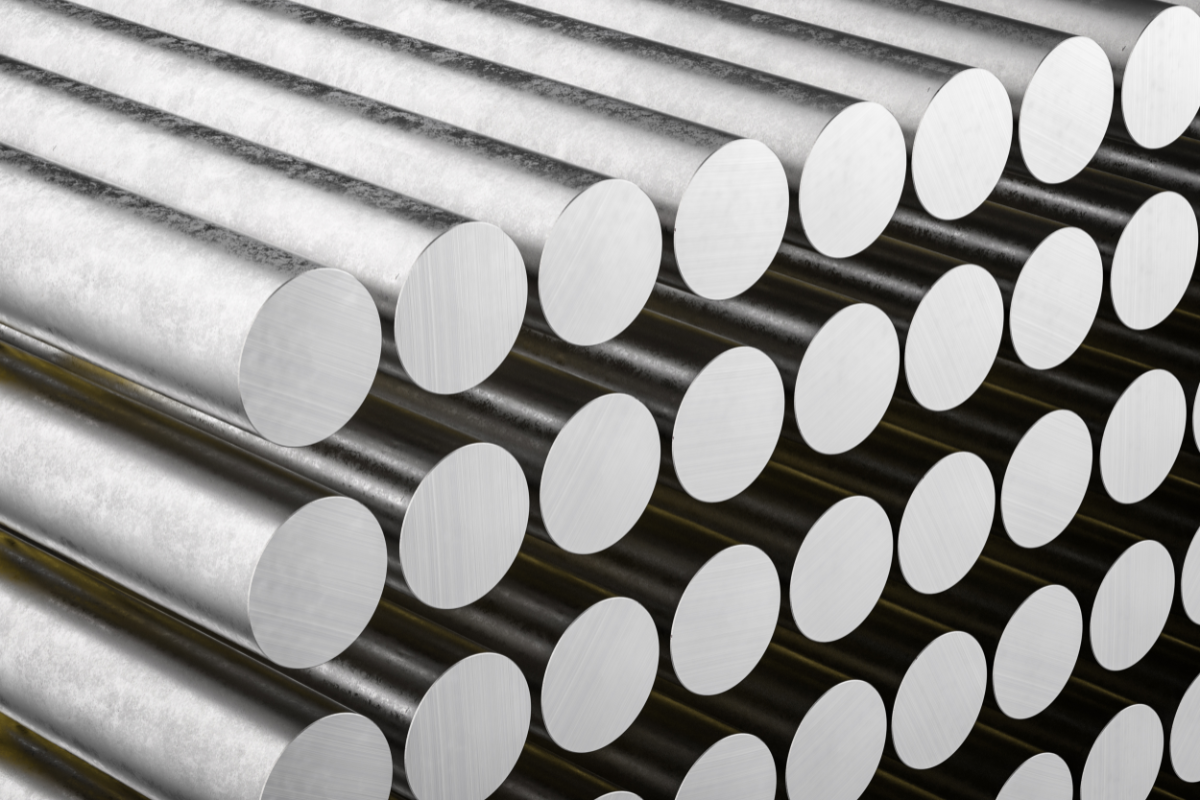
Stock image for referential purposes only
Futures: The most-traded SHFE aluminium 2611 contract closed at RMB 24,400 per tonne, up RMB 180 from the previous day’s settlement, a gain of 0.74 per cent. It opened at RMB 24,260.00 per tonne and fluctuated within RMB 24,260–24,440 per tonne. Prices traded above the MA5 (24,187.00), MA10 (24,307.00), MA30 (24,082.50), and MA60 (23,656.58) moving averages. The short-term rebound pattern continued, a drift-higher structure emerged, and the MA10 formed short-term resistance. The MACD indicator showed DIF (127.4248) below DEA (142.2962), with the MACD green histogram at -29.7429, indicating that bearish momentum narrowed somewhat. The suggested core trading range for SHFE aluminium was RMB 23,900–24,600 per tonne. The LME aluminium 3M contract closed at USD 3,293.50 per tonne, up 0.11 per cent. It opened at USD 3,294.50 per tonne and fluctuated within USD 3,287.50–USD 3,299.00 per tonne. Prices traded above the MA5 (3,272.70), MA30 (3,271.35), and MA60 (3,218.11) moving averages, and above the MA10 (3,290.10). The consolidation-repair structure continued, with short-term moving averages providing support. The MACD indicator showed DIF (10.2079) below DEA (12.0771), with the MACD green histogram at -3.7384, indicating that bearish momentum narrowed somewhat, and prices consolidated at highs. The suggested core trading range for LME aluminium was USD 3,200–USD 3,350 per tonne.
Macro front: The Bank of England kept its benchmark interest rate unchanged at 3.75 per cent, marking the sixth consecutive hold, in line with market expectations. The BoE warned that if Middle East conflicts intensified inflationary pressures, it might need to raise rates. Meanwhile, the BoE abandoned its plan to sell long-dated government bonds and said it would complete the reduction of its GBP 488 billion debt-asset portfolio by September 2034. Sources said President Trump was expected to meet with Gulf state leaders next Tuesday on the sidelines of the UN General Assembly in New York to discuss follow-up arrangements for the war with Iran. The meeting was expected to focus on the post-war strategic framework proposed by the US.
Fundamentals: Supply side, China’s weekly aluminium production remained steady this week. Some downstream sectors saw certain production cuts, purchases of liquid aluminium decreased, and the proportion of liquid aluminium edged down by 0.02 percentage points. Outside China, according to foreign media reports, Aluminium Bahrain’s operating capacity recovered to around 1.3 million tonnes, further lifting operating capacity outside China. Demand side, with the short holiday approaching, downstream stocking sentiment rose slightly. Inventory side, aluminium ingot shipments from Xinjiang were hindered; coupled with downstream stocking, the pace of aluminium ingot destocking expanded this week. As of this Thursday, China’s social inventory of aluminium ingot fell by 63,000 tonnes from last Thursday and by 43,000 tonnes from this Monday; aluminium billet inventory dipped slightly mid-week, down 500 tonnes from last Thursday. In the short term, aluminium destocking is expected to continue.
Primary aluminium market: The SHFE aluminium 2610 contract futures centre fluctuated relatively little from yesterday, with SHFE aluminium showing signs of stabilisation. As the holiday approaches, downstream stocking willingness has increased. Recent warehouse withdrawal data in east China has been strong, and spot premiums in east China remain firm. SMM A00 aluminium ingot transactions closed at premiums of RMB 10-30 per tonne. Macro disturbances combined with destocking speed have disrupted SHFE aluminium futures, also keeping supplier quotes in the central China market at relatively high levels. However, constrained by low purchase willingness among downstream processing enterprises and weak actual transactions, quote levels continued to decline. Ultimately, actual transaction prices in the central China market were centred around discounts of RMB 30-60 per tonne against the SHFE aluminium 10 contract. SMM daily inventory data for aluminium ingots across the three regions showed destocking of 26,000 tonnes, with all three regions posting declines.
South China market: On Thursday, aluminium prices edged up for the third consecutive day, with the spot market tug-of-war remaining prominent. On the supply side, tight arrivals and a sharp pullback in inventory supported suppliers' firm pricing stance, with actual spot cargo circulation remaining tight. On the other hand, the steady rise in absolute prices combined with elevated spot-futures price spread expectations also boosted suppliers' willingness to cash in, revealing divergences in the market. Overall, the firm pricing camp held the upper hand. On the demand side, downstream buyers steadily purchased on price gains and carried out some holiday stockpiling in advance, providing a floor for the market. However, traders were generally wary of high prices and cautious in purchasing, with only a few large players actively raising prices to buy and make markets, leaving transactions lukewarm. Spot transaction prices were concentrated at premiums of RMB 215-255 per tonne against the SHFE aluminium 2609 contract.
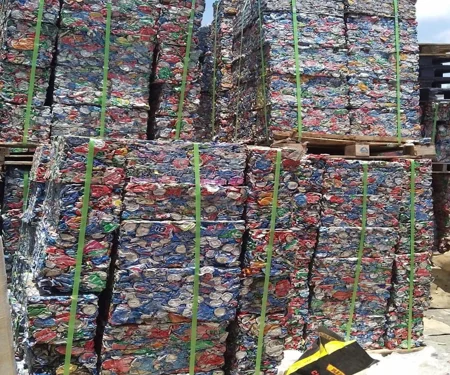
Aluminium scrap: On Thursday, SMM A00 aluminium closed at RMB 24,180 per tonne, up RMB 20 per tonne W-o-W from the previous trading day, while the aluminium scrap market was broadly flat. In terms of price differences between A00 aluminium and aluminium scrap, on September 17, the price difference between A00 aluminium and mixed aluminium extrusion scrap free of paint in Foshan was about RMB 2,468 per tonne, and the price difference between A00 aluminium and shredded aluminium tense scrap was about RMB 1,247 per tonne. The price difference between A00 aluminium and aluminium tense scrap narrowed again W-o-W. On the supply side, the tight raw material supply pattern remains unchanged, and the scarcity of compliant, invoiced aluminium scrap continues to rise. Notably, tax inspections in central China continue to escalate, and the sharp drop in regional aluminium scrap supply will clearly disrupt aluminium scrap circulation. On the import side, this week, imported shredded aluminium prices at Ningbo port were raised from RMB 21,370 per tonne to RMB 21,470 per tonne (tax inclusive), while at Tianjin port they rose from RMB 21,420 per tonne to RMB 21,520 per tonne (tax inclusive). On the demand side, the cast aluminium alloy September peak season has been lackluster, with demand yet to see a substantial increase. End-user orders have only improved slightly from the off-season, without concentrated restocking. Demand for wrought aluminium alloy is moderate, and in-factory aluminium scrap inventory is relatively ample. The aluminium scrap market is expected to continue consolidating on a strong note. Supply side, the impact of tax audits continues to spread. If aluminium scrap yards slow down shipments, circulating supply will tighten again, and aluminium scrap prices are expected to find strong support at the bottom. Going forward, we will continue to closely monitor the chain reactions of tax audits on the aluminium scrap industry chain and changes in orders at scrap utilisation enterprises.
Secondary aluminium alloy: Spot side: On Thursday, the ADC12 market broadly showed price increases and stronger cost support. SMM ADC12 price rose RMB 100 per tonne from the previous trading day to RMB 24,350 per tonne. Cost side, procurement of aluminium scrap raw materials remained difficult, and prices stayed high. Coupled with increasingly strict invoice supervision recently, reverse invoicing operations were suspended in some regions, further increasing enterprises' reliance on compliant, invoiced supply. However, supply of such material was limited and procurement prices were high, leading to persistently rising overall raw material cost pressure. Currently, the upward momentum in ADC12 prices is mainly driven by higher compliant raw material costs, and enterprises are clearly more willing to raise quotes. However, the actual improvement in end-use demand remains to be seen. The sustainability and extent of subsequent price increases will still depend on the strength of cost support, implementation of invoice policies, and downstream purchasing capacity.
Overall outlook: The US Fed's first rate hike has landed, and the situation in the Middle East remains unsettled, leaving macro sentiment highly uncertain. Fundamentals side, production resumptions in the Middle East continue to accelerate, but some new projects have been delayed, and the pace of operating capacity increases is expected to slow in the coming months. With the short holiday approaching, downstream stockpiling demand is supporting destocking. Short-term aluminium prices are expected to consolidate at highs.
Note: This article has been issued by SMM and has been published by AL Circle with its original information without any modifications or edits to the core subject/data.
Saudi aluminium demand to climb 1.8Mt as World Cup projects boost construction
Next articleLME aluminium cash falls to $3,302.50 as Asian reference price climbs nearly 1%
Grow with
AL Circle