US Fed delivers rate hike, China aluminium ingot destocking accelerates, aluminium prices consolidate at highs
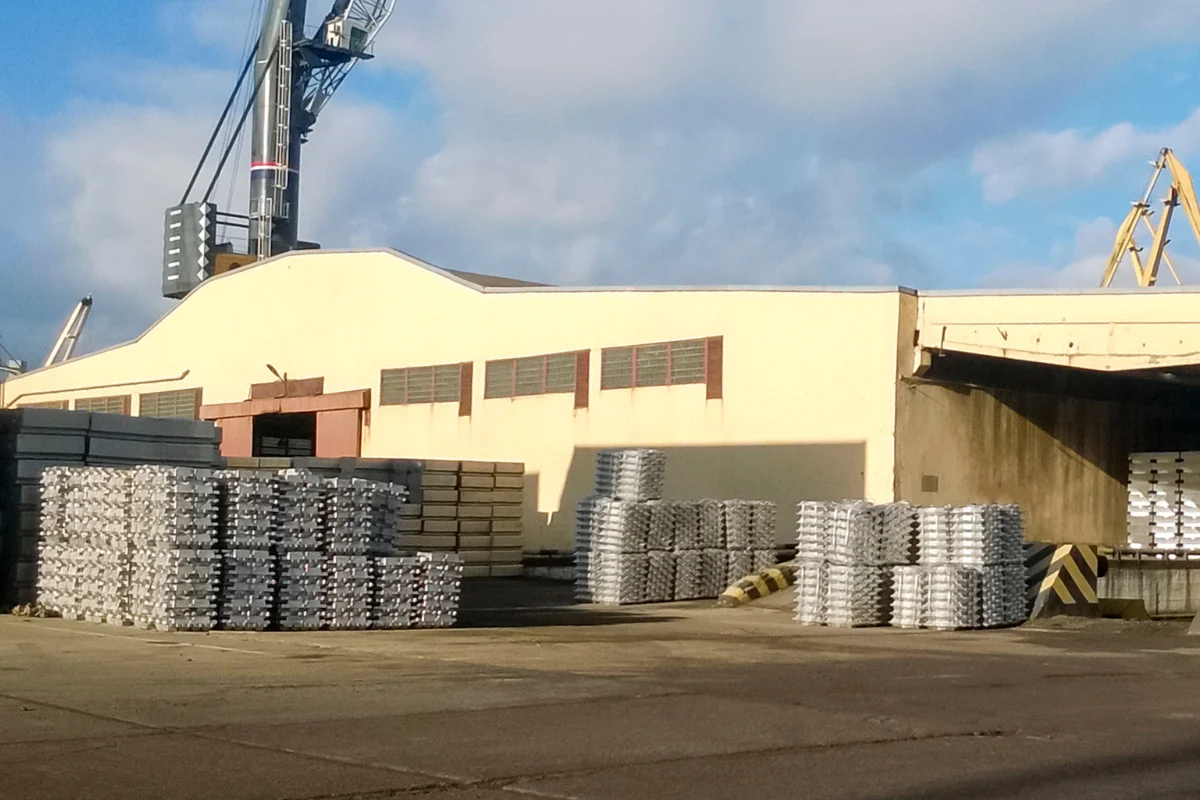
Stock image for referential purposes only
The most-traded SHFE aluminium 2610 contract closed at RMB 24,260 per tonne, up RMB 125 from yesterday's settlement price, a gain of 0.52 per cent. It opened at RMB 24,250 per tonne and fluctuated within a range of RMB 24,215-24,305 per tonne. Prices traded above the MA5 (24,165.00), MA30 (24,081.00), and MA60 (23,639.83), but below the MA10 (24,304.50). The short-term rebound structure continued, the consolidation pattern remained unchanged, and the MA10 formed key resistance pressure.
The MACD DIF (120.8149) was below the DEA (145.2690), and the MACD green bar stood at -48.9082. Bullish momentum remained weak. The suggested core trading range for SHFE aluminium is RMB 23,800-24,650 per tonne. The LME aluminium 3M contract closed at USD 3,249 per tonne, down 0.82 per cent. It opened at USD 3,250 per tonne and fluctuated within a range of USD 3,245.00-USD 3,253 per tonne. Prices traded below the MA5 (3,257.10), MA10 (3,286.25), and MA30 (3,269.10), but above the MA60 (3,215.63).
The short-term upward structure continued to face resistance, a consolidation pullback structure emerged, and the short-term moving averages above formed clear resistance. The MACD DIF (6.4419) was below the DEA (11.8903), and the MACD green bar was -10.8969. Bullish momentum continued to weaken, with consolidation and pullback at highs. The suggested core trading range for LME aluminium is USD 3,150-USD 3,350 per tonne.
Macro front: The US Fed announced a 25-basis-point rate hike, raising the target range for the federal funds rate to 3.75 per cent-4.00 per cent. This was the first rate hike since July 2023, in line with market expectations, after the Fed had previously held rates steady for five consecutive meetings. The policy statement showed that the Federal Open Market Committee (FOMC) approved the decision by a vote of 12 in favour and 0 against.
Fed Chairman Warsh reiterated at the press conference that inflation is "too high and has persisted for too long," and he was not confident that inflation is pulling back toward the target. Warsh declined to provide forward guidance and stressed that the economy is strengthening. Warsh said there are three reasons for the rise in bond yields: first, a strong economy; second, competition for capital, with a real surge in capital spending; and third, geopolitics.
The Fed's FOMC economic projections show one more rate hike in 2026, with rates held steady in 2027. Rates will decline in 2028 and remain between 3.5 per cent and 3.75 per cent in 2029. White House spokesperson Kush Desai said President Trump's stance on the direction of interest rates "could not be clearer," and that the Fed's rate hike has no particularly compelling economic justification in the White House's view. Trump previously stated on social media that US interest rates should be cut to 1 per cent or lower, citing the US's strongest global credit standing and the current economy attracting substantial new investment.
Fundamentals: Outside China, electrolytic aluminium production resumptions continued to ramp up, and expectations of easing supply in the long term persisted. However, LME inventory remained at historically low levels, keeping short-term global primary aluminium supply tight.
Combined with surging oil prices pushing up costs and shipping disruptions in the Strait of Hormuz, geopolitical supply risk premiums rebounded. In China, the "September peak season" saw broad-based recovery across sectors. On the domestic inventory front, the destocking trend in social inventory of aluminium ingots continued this week. As of Thursday, aluminium ingot inventory in major domestic consumption areas stood at 733,000 tonnes, down 43,000 tonnes from Monday and down 63,000 tonnes W-o-W from last Thursday, with the destocking pace accelerating.
Primary aluminium market: SHFE aluminium 2610 contract futures showed little fluctuation from yesterday's centre in the morning, shipments in east China were relatively good, and spot premiums for SHFE aluminium held firm. On Wednesday, A00 aluminium ingot transactions were mainly concluded at premiums of RMB 10-30 per tonne.
On Wednesday, trading sentiment in the central China market visibly cooled compared with the previous two days. Downstream processing enterprises were constrained by a less-than-robust peak season, weak demand, and high in-factory inventory. Combined with aluminium prices consolidating at highs, purchasing sentiment declined, which in turn weakened suppliers' willingness to hold prices firm, and market quotes continued to trend lower.
Ultimately, actual transaction prices in the central China market were centred around discounts of RMB 40-60 per tonne against the SHFE aluminium October contract. SMM daily inventory data for aluminium ingots in the three regions showed a destocking of 11,000 tonnes, with all three regions posting declines.
South China market: On Wednesday, aluminium prices continued to edge higher, and the spot market was marked by mixed signals. A sharp decline in inventory again spurred suppliers, especially those above designated size, to hold prices firm resolutely.
However, with spot-futures price spread expectations staying high, actual shipments were not insignificant, and some sellers made slight downward adjustments to cash out first, which weighed on upward momentum and left spot supply relatively ample.
Downstream buyers still showed willingness to chase prices and restock, with purchasing demand moderate. Most traders remained cautious toward high spot-futures price spreads and only entered the market for rigid demand. Large players stepped in to purchase at higher prices, providing supplementary support, and overall transactions were satisfactory.
Aluminium scrap: On Wednesday, SMM A00 aluminium price closed at RMB 24,160 per tonne, up RMB 20 per tonne from the previous trading day. Aluminium scrap prices in some regions caught up, with Jiangxi, Foshan, and Hunan raising prices by RMB 100 per tonne in a single day to make up for the gains of the previous two days.
On the price difference front, as of September 16, the price difference between A00 aluminium and mixed aluminium extrusion scrap free of paint in Foshan was approximately RMB 2,438 per tonne, and the price difference between A00 aluminium and shredded aluminium tense scrap was approximately RMB 1,217 per tonne. On the supply side, the tight raw material supply situation remained unchanged, and the scarcity of compliant, invoiced aluminium scrap continued to rise, constraining scrap utilisation enterprises' operations and purchasing.
Against this backdrop, some aluminium scrap yards actively sold on the high aluminium prices, while reducing purchases and stockpiling accordingly, leading to a phased release of circulating supply in the market. This week, the aluminium scrap market is expected to continue consolidating on a strong note. With the September peak season underway, a substantive recovery in downstream end-user orders still needs to be observed. Scrap yards' active selling may persist for a while, but the tightness in high-quality invoiced scrap is unlikely to improve materially.
The mainstream trading range for shredded aluminium tense scrap (priced based on aluminium content) is expected to hover around RMB 20,700-21,300 per tonne, with close attention needed on the pace of downstream order recovery and the sustainability of scrap yard selling.
Secondary aluminium alloy: Spot: On Wednesday, the ADC12 market overall showed a steady-to-strong trend. The SMM ADC12 price rose RMB 50 per tonne from the previous trading day to RMB 24,250 per tonne. On the raw material side, the difficulty of purchasing compliant aluminium scrap increased, especially as regulatory oversight of reverse invoicing in Henan, Jiangxi, and other regions tightened further recently.
In some areas, business was suspended or verification strengthened, making invoiced procurement increasingly important and putting certain upward pressure on enterprises' actual raw material costs. With stronger cost support, the downside support for current ADC12 prices is relatively solid, and some enterprises still have expectations for further price increases.
On the demand side, although end-user orders have improved compared with the off-season, no significant volume increase has emerged yet. The traditional peak season effect is still in a gradual realisation phase, and downstream buyers overall continue to make just-in-time procurement.
Comprehensive outlook: The US Fed's September rate hike weighed on the nonferrous metals sector, but the escalation of the US-Iran conflict and high oil prices above 100 pushed up costs and geopolitical premiums. Domestically, the accelerated destocking of aluminium ingot social inventory, combined with recovering demand during the peak season, provides relatively strong downside support. Aluminium prices are expected to consolidate at highs.
Note: This article has been issued by SMM and has been published by AL Circle with its original information without any modifications or edits to the core subject/data.
LME aluminium prices recover up to 1.64% as stocks fall to 243,600t
Next articleSaudi aluminium demand to climb 1.8Mt as World Cup projects boost construction
Grow with
AL Circle