Vedanta shares hit 52-week low at ₹419.50 as crude oil prices surge

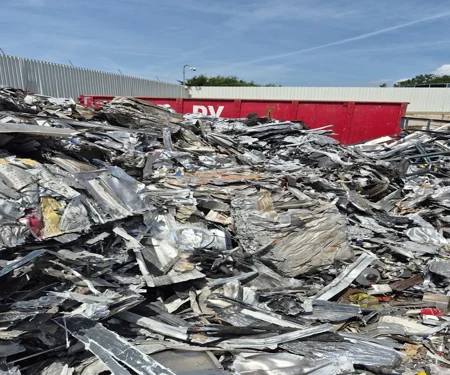
The image used in this article is generated with an AI tool and does not depict any real-time moment
Vedanta’s share price fell in early trading on the NSE as the Indian stock market declined and rising crude oil prices increased concerns about higher costs for metal companies.
The stock opened at INR 431.25 (USD 4.50), down from its previous close, and fell to an intraday low of INR 419.50 (USD 4.37), marking a new 52-week low.
Market experts attributed the decline mainly to weak global and domestic market sentiment and the sharp rise in crude oil prices. Higher energy and input costs can put pressure on the margins of mining and metals companies. Rising base metal prices in international markets, followed by some profit-booking, also contributed to the stock's movement.
Crude oil prices add to cost concerns
Anuj Gupta, a SEBI-registered market expert, said rising crude oil prices were one of the key factors behind the decline. According to Gupta, “A 10 per cent rise in crude oil prices leads to a 3.50 per cent rise in the mining costs of metals, which ultimately puts pressure on the margins of metal companies.”
He also pointed to weak global market cues and selling pressure across Indian equities as factors weighing on Vedanta’s share price.
Mahesh M Ojha, VP — Research and Business Development, said the downtrend could remain limited, noting that international base metal prices had also seen some profit-booking in the previous session.
Middle East tensions keep oil markets in focus
Crude oil prices have risen sharply amid escalating geopolitical tensions in the Middle East. WTI crude was trading around USD 103–104 per barrel after gaining about 7.5 per cent in the previous session, while Brent crude moved towards USD 108 per barrel.
The rise in oil prices is adding to concerns over India’s import bill, inflation and corporate margins, while also keeping investor risk appetite subdued.
Geopolitical tensions involving Yemen, Saudi Arabia, Iran and the US have increased uncertainty around shipping routes, the Strait of Hormuz and global energy supplies. These developments have kept a higher geopolitical risk premium in crude oil markets.
LME aluminium prices slide up to 1.53% as warehouse stocks ease to 243,850t
Next articleFire response at Bridgnorth Aluminium highlights support available to metal industries
Grow with
AL Circle