Did you know? Around 7 per cent of black dross is generated from the total volume of recycled aluminium worldwide, and Europe reflects a similar ratio of black dross generation at around 6.83 per cent.
Aluminium dross occurs in two forms: black and white. White dross is generated mainly in primary aluminium smelters and during the melting of clean or pre-treated scrap in foundries. It forms when molten aluminium reacts with oxygen during smelting, refining, or casting, creating a residue with relatively high aluminium content.
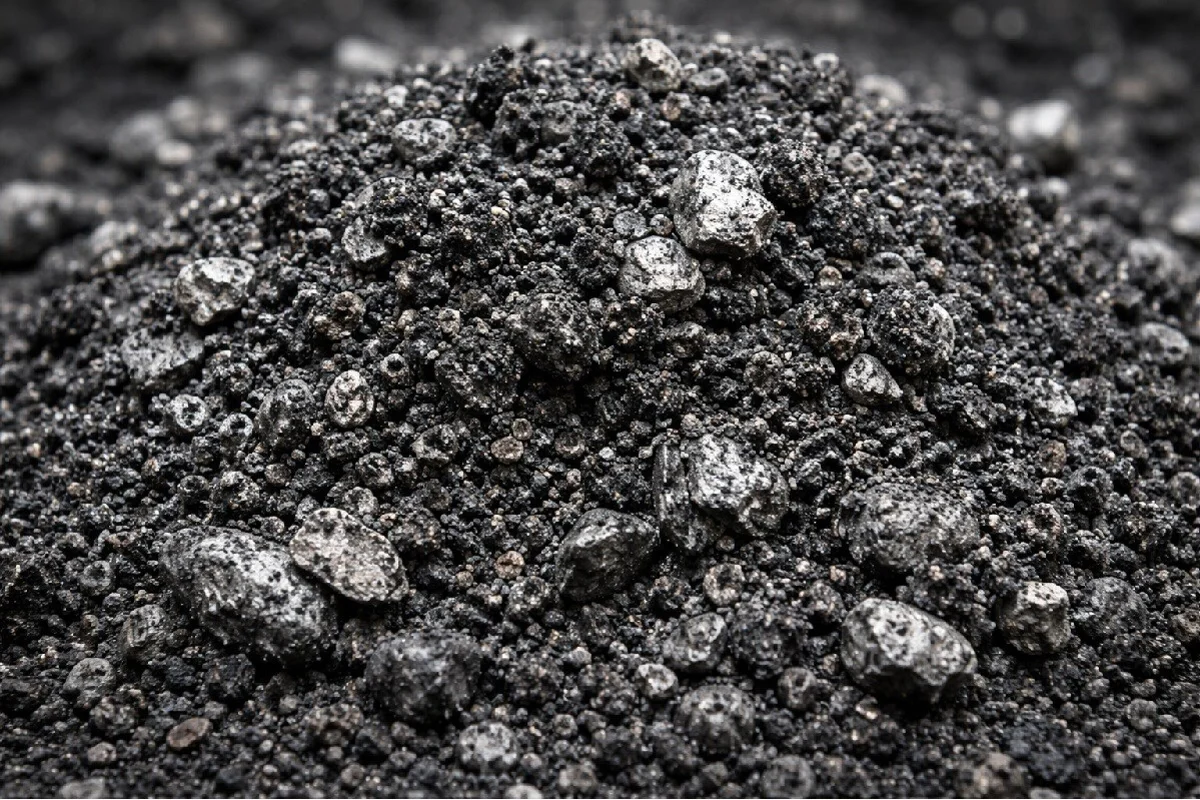
Black dross, by contrast, forms during recycling, particularly where mixed or contaminated scrap is melted. Coatings, oils, and other impurities increase oxidation and slag formation, producing a darker residue with lower aluminium content.
On a global scale, dross generation reflects broader production trends. Europe accounts for around 14 per cent of total output, compared with 64 per cent in the Asia Pacific region, including China, and 13 per cent in North America. With aluminium usage continuing to expand, dross generation is projected to grow at a steady rate of 3 – 4 per cent annually, reinforcing its growing relevance across the industry.
To know more about the global primary aluminium industry 2026 outlook, book the report “Global ALuminium Industry Outlook 2026".
A direct reflection of recycling activity
Dross generation closely follows aluminium production pathways. Primary aluminium typically produces between 0.8 per cent and 1.5 per cent dross, while recycled aluminium generates around 7 per cent, largely due to coatings, impurities, and oxidation during remelting.
This relationship is clearly visible in Europe’s recycling trajectory. Recycled aluminium output reached 5.95 million tonnes in 2023, edged down to 5.82 million tonnes in 2024, and is projected to recover to 6.3 million tonnes in 2025.
In parallel, black dross generation is expected to reach approximately 430,000 tonnes in 2025, equivalent to 6.83 per cent of recycled output. Using the same ratio, dross generation works out to roughly 406,000 tonnes in 2023 and 398,000 tonnes in 2024, showing that dross output closely follows recycling levels.
How Europe is scaling recovery and efficiency
Europe’s dross processing ecosystem continues to expand alongside recycling volumes. In 2024, around 573,000 tonnes of dross were collected for further treatment, with approximately 166,000 tonnes of aluminium recovered.
Across the region, more than 25 major facilities collectively process over 550,000 tonnes of dross each year.
Companies such as Alur Aluminium, Befesa, JBMI Group, Tandom Metallurgical Group, and Kratus are key contributors to this network, with JBMI Group operating a 100,000-tonne-per-year facility and Alur Aluminium processing around 15,000 tonnes annually.
Befesa’s German plant, with a capacity of 140,000 tonnes per year, uses GHI tilting rotary furnaces to process hot black dross within two hours at 900°C, recovering around 90 per cent aluminium-equivalent to 25,000 tonnes annually-while utilising 40 per cent of non-metallics in cement and achieving zero landfill through salt-free processing.
Altek’s RAME™ systems, deployed across more than 10 smelters with a combined capacity exceeding 200,000 tonnes per year, mechanically process hot black dross on-site, achieving over 95 per cent aluminium recovery (around 38,000 tonnes annually) while producing construction aggregates and eliminating transport-related emissions.
In France, Aluminium Dunkerque processes 100,000 tonnes per year using a pressing inerting system that increases recovery by 24 per cent, delivering an additional 2,400 tonnes of aluminium annually while reducing CO₂ emissions by 2,530 tonnes and improving storage efficiency.
Meanwhile, REMET’s EUR 58 million facility in Hungary adds 100,000 tonnes of annual capacity, using ball milling and flotation to recover 88 per cent aluminium-around 15,000 tonnes per year-from black dross and scrap. The plant also repurposes 75 per cent of tailings into roadbase materials, supporting regional recycling growth amid EU scrap export constraints.
Together, these facilities-totalling 540,000 tonnes per year, recover over 80,000 tonnes of aluminium annually from black dross, representing an estimated EUR 380 million in value, while contributing to EU targets of 70 per cent by-product recovery and generating additional revenue streams of around EUR 50 per tonne from secondary non-metallic products.
What defines the value of dross?
Dross is not uniform in composition. Black dross accounts for 73 per cent of global generation, while white dross makes up the remainder. White dross contains between 40 -80 per cent, whereas black dross typically holds 5 - 25 per cent.
Despite its lower metal content, black dross-primarily generated during recycled aluminium production-remains a valuable secondary resource. Produced at roughly 7 per cent of input feedstock, it can yield around 15-20 per cent recoverable aluminium, which is used in secondary alloys for applications such as automotive castings and extrusions. The remaining 75-95 per cent non-metallic fraction is increasingly utilised in construction aggregates, supporting broader material efficiency goals.
In Europe, as aluminium recycling expands, dross volumes rise in tandem while maintaining a stable share of output, strengthening its position as a valuable and reusable component of the circular aluminium value chain.
To look for buying or selling leads of "aluminium dross from recycling" , visit our B2B marketplace.













_md.webp)
_md.webp)