European Union's green and digital transition relies increasingly on aluminium: George Karkampasis

The voice of the aluminium industry in Europe, European Aluminium's Senior Manager of Regulatory Affairs – Circular Economy & Raw Materials, George Karkampasis stated, "It is hard to escape the reality that over the last two decades Europe has bounced from one crisis to the next."
“To avoid another raw materials crisis, we need to learn the lessons from the current Ukraine-Russia geopolitical conflict and act on the warning signs.”
The European aluminium industry has been balancing two parallel realities for several years. First, the metal aluminium has become increasingly significant to the EU’s green and digital transitions. According to a recent study, European aluminium demand for clean technologies will increase from 14 million tonnes in 2020 to 21 million tonnes in 2050, driven majorly by electric vehicles, solar power, and electricity networks.
Secondly, China's under-priced, high-carbon imports have undermined the EU's ability to produce, store, and recycle aluminium due to disruptions in its supply chain and high regulatory costs. European raw materials and aluminium industries are especially vulnerable to unfair trade practices.
In spite of having a carbon footprint of only one-third of the Chinese average, the European aluminium industry lost 30% of its primary production capacity between 2008 and 2021.

George said, "We expect to lose another 1.1 million tonnes of primary aluminium production capacity in the EU by the end of 2022 due to the devastating impact of energy price inflation hitting Europe harder than any other region. Our continent's overdependence on Russian energy imports is one reason for that. The EU's unique energy market design is another one."
Similarly to other former industrial strongholds like European magnesium or solar, Europe's recently announced raw materials act comes at a time when the entire aluminium value chain will no longer exist within Europe.
The long-awaited policy tool must prioritize securing strategic and critical raw materials to transform the concept of a Critical Raw Materials Act into a future-proof instrument capable of enabling the twin transition and securing raw materials for Europe's socio-economic fundamentals.
However, in order to guarantee a viable and uninterrupted supply of raw materials, it must implement an ambitious industrial policy (including European trade defence measures) that enables Europe's domestic raw material value chains to flourish while ensuring a holistic supply chain strategy, including supply diversification.
“We must pass the Critical Raw Materials Act to ensure sustainable growth and strategic autonomy in the raw materials sector. The objective is to provide an adequate and diversified supply for Europe's digital economy and the green transition – and prioritise re-use and recycling." George Karkampasis added.
As defined by today's classification method, aluminium is not considered to be critical, and while Europe is increasingly reliant on aluminium imports, this is considered manageable. Aluminium, like oil and gas, has already displayed warning signs.
The Regulatory Manager at European Aluminium said, "To ensure we do not sleepwalk into another raw materials crisis again, we need to rethink our understanding of what makes a critical raw material. We need a classification that better captures the strategic role of raw materials, including aluminium, in Europe’s industrial agenda and our digital and sustainable future. And this needs to recognise the variable and dynamic nature of the market and that these materials are geo-political tools that can be used against Europe’s sovereignty and security."
Furthermore, raw materials legislation in Europe should ensure Europe's access to raw materials like aluminium while also encouraging the recovery and utilization of valuable Secondary Raw Materials (SRMs).
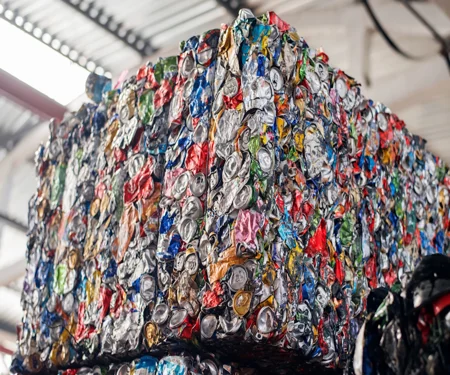
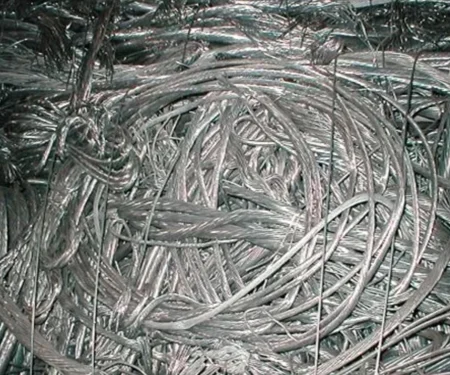
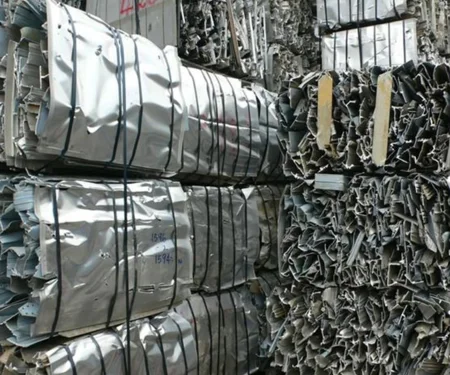
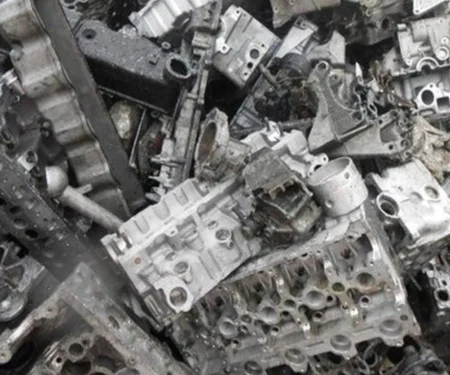
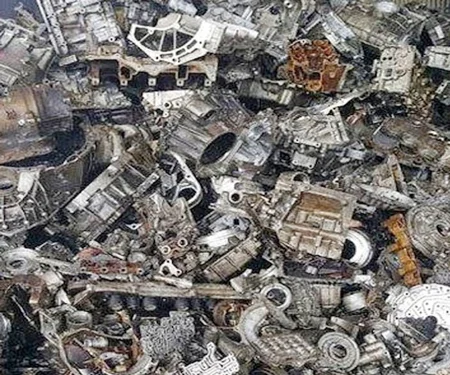
A significant component of this initiative should be to promote measures to increase the efficiency of collecting, sorting, and pre-treating scrap metal.
"The benefits of a sound circular economy are obvious: Aluminium scrap requires only 5% of the energy used for primary aluminium production. Increasing recycling can help reduce our industry's energy dependence and boost Europe's supply. Aluminium scrap requires only 5% of the energy used for primary aluminium production, so increasing recycling can help reduce our industry's energy dependence and boost Europe's supply,” George said.
Malta gets its own Beverage Container Refund Scheme to recycle single-use containers
Next articleWorld Demolition Summit 2022 to honour experts perfecting demolition jobs with highest safety standards
Grow with
AL Circle