European Central Bank says EU would see limited loss from U.S. car tariffs; global trades to see a decline
According to the European Central Bank, the European Union will not be severely impacted in the short term by the proposed of car tariffs by the US on EU. However, the growing trade tensions among the countries could have serious consequences for the global economy.
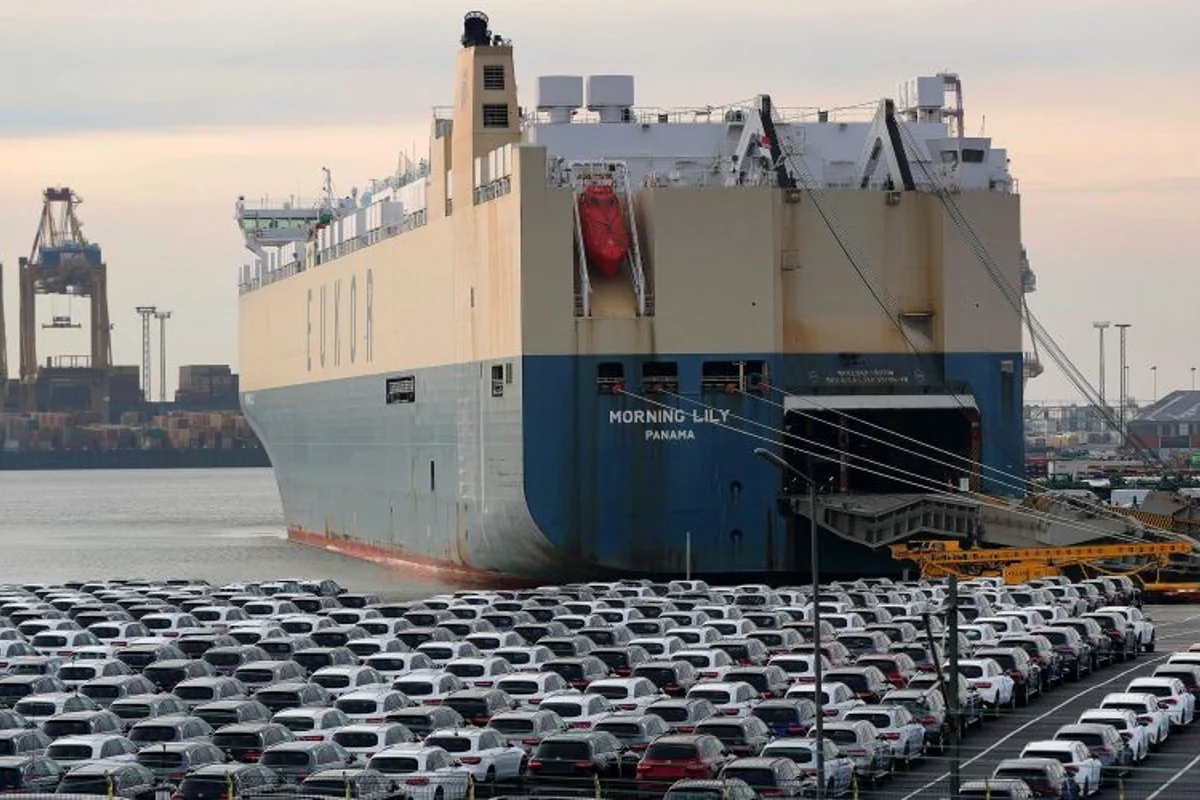
An ECB research shows that the new import duties on car are likely to cause about 4 per cent loss to the EU car industry. Considering the size of the region’s market, such loss would only have a limited effect on region's economy. The US automakers may have an advantage from the levies but that will be largely offset by retaliatory tariffs from those affected countries which will affect other parts of the economy.
The proposed car tariffs on the cars imported from the European Union has been doing the rounds since 2018 when Trump said imports of foreign-made vehicles would threaten national security. He offered the same justification for the steel and aluminium tariffs imposed on its trade partners in March 2018. The topic has again cropped up recently when the U.S. threatened to seek US$11 billion in damages through duties on European goods to counter state aid to Airbus SE.
According to the ECB report, the consequences of the steel and aluminium tariffs "pose only modest adverse risk to the global and euro-area outlook." Even in China, the impact appears to have been confined to the targeted industries so far.”

However, things can get worse because of the growing trade wards between all trading partners caused by the tariffs and retaliatory tariffs. The report further says that a 10 per cent increase in U.S. tariffs on all trading partners, would lower activity in the world's largest economy by 1.5 per cent. This might also cause additional negative impact from growing financial stress.
Though EU is likely to see a moderate decline in momentum, the tariffs might bring down global trade and activity by 2.5 per cent and 1 per cent respectively.
Austria’s aluminium structures export not likely to extend its growth this year
Next articleAlufoil Trophy 2019 winners focus on consumer convenience and a better environment
Grow with
AL Circle