European Aluminium Association
European Aluminium data shows steady growth for aluminium despite global challenges
Edited by :
3 min read

<p>From primary to recycling, the total demand for aluminium is increasing by an average of 2% each year. These figures released today at the ALUMINIUM 2016 trade fair in Düsseldorf, Germany, confirm aluminium to be the material of choice for a broad range of strategic applications.</p>
<p>Gerd Götz, Director General of European Aluminium said, “Our forecasts for 2016 and 2017 show steady growth in both production and demand across the aluminium value chain in Europe. Clearly aluminium is the preferred material for applications with strategic value for a sustainable economy, such as transport, packaging and buildings.”</p>
<p>Following a difficult crisis, primary aluminium production in Europe has picked up. European Aluminium data forecasts positive growth rates of 1.1% in 2016 and of 1.3% in 2017. This is despite the global challenge of significant overcapacities in countries such as China, where primary overcapacity is five times the size of EU production.</p>
<p><strong>{googleAdsense}</strong></p>
<p>European demand for semi-finished aluminium products is healthy. Flat Rolled Products, found for example in the production of cans and cars, is forecasted to increase by 2.4% in 2016 and 1.9% in 2017. Extruded products, used for instance in windows and machinery, are likely to see a 1.6% increase in 2016 and 1.2% increase in 2017. This healthy demand is against a backdrop of increasing exports of semi-finished products from China, which grew by 21% in 2015 and by 17% in 2014.</p>
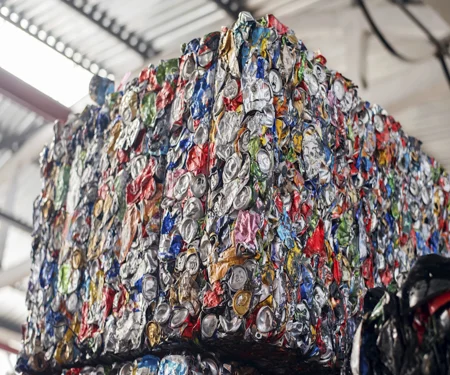
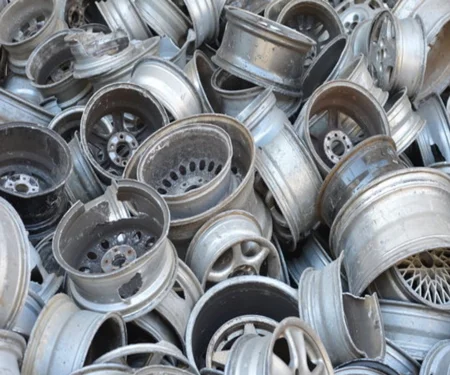
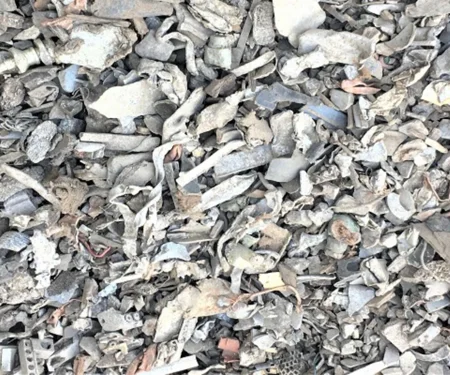
<p>The recycling sector continues to flourish. Total recycling production in Europe has grown by around 5% each year for several years now. This reflects our society’s shift from a linear to a circular economy and our industry’s commitment to sustainability. However, access to secondary raw material remains an issue: in 2015 around 860 thousand tonnes of aluminium scrap was exported from the EU to third countries (mainly Asia).</p>
<p>“These growth rates reflect a need for a lightweight and durable material such as aluminium,” said Mr Götz. “This need is particularly visible in transport, where aluminium demand will increase by 6% in 2016 for the second year in a row! Low-carbon mobility is absolutely essential to Europe’s strategy for a sustainable economy and aluminium is part of the solution.”</p>
<p>Mr Götz continued, “However we must not forget that the European value chain is facing significant challenges. China’s overproduction puts downward pressure on the prices, putting our value chain at risk. As agreed in Paris last year, we have climate goals and we need more investments to get there. Our industry is already investing nearly 2 billion euros on average each year and will continue to do so to ensure environmentally friendly and energy efficient aluminium production. Although the circular economy is now at the top of the EU’s agenda, it is more than just a policy. We need to motivate society to contribute to a better, more circular economy. Facing these challenges – as well as providing solutions – are at the heart of our mission at European Aluminium.”</p>
<p> </p>
Previous article
Constellium presents its portfolio of innovative aluminium solutions at ALUMINIUM 2016
Next articleLindberg/MPH ships aluminium stack melting furnace to a manufacturer of recreational vehicles
Grow with
AL Circle