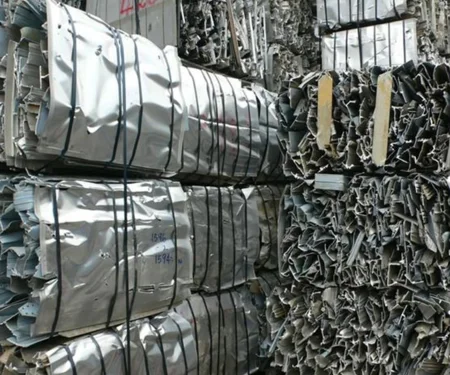
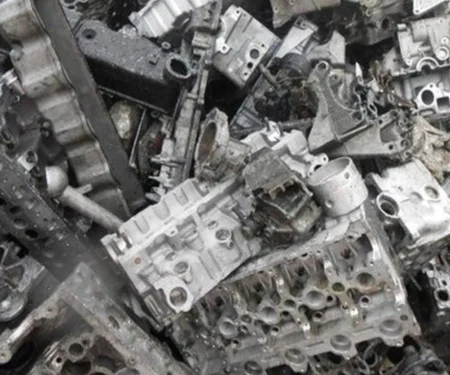
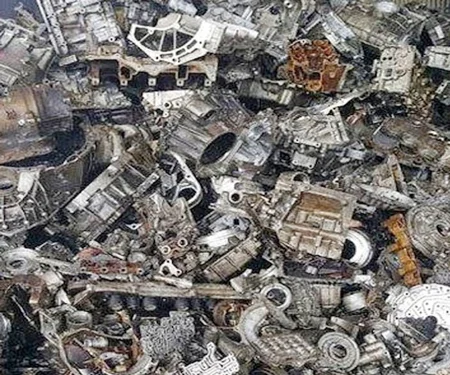
EU proposes 15% tax on aluminium scrap exports to secure recycled metal supply
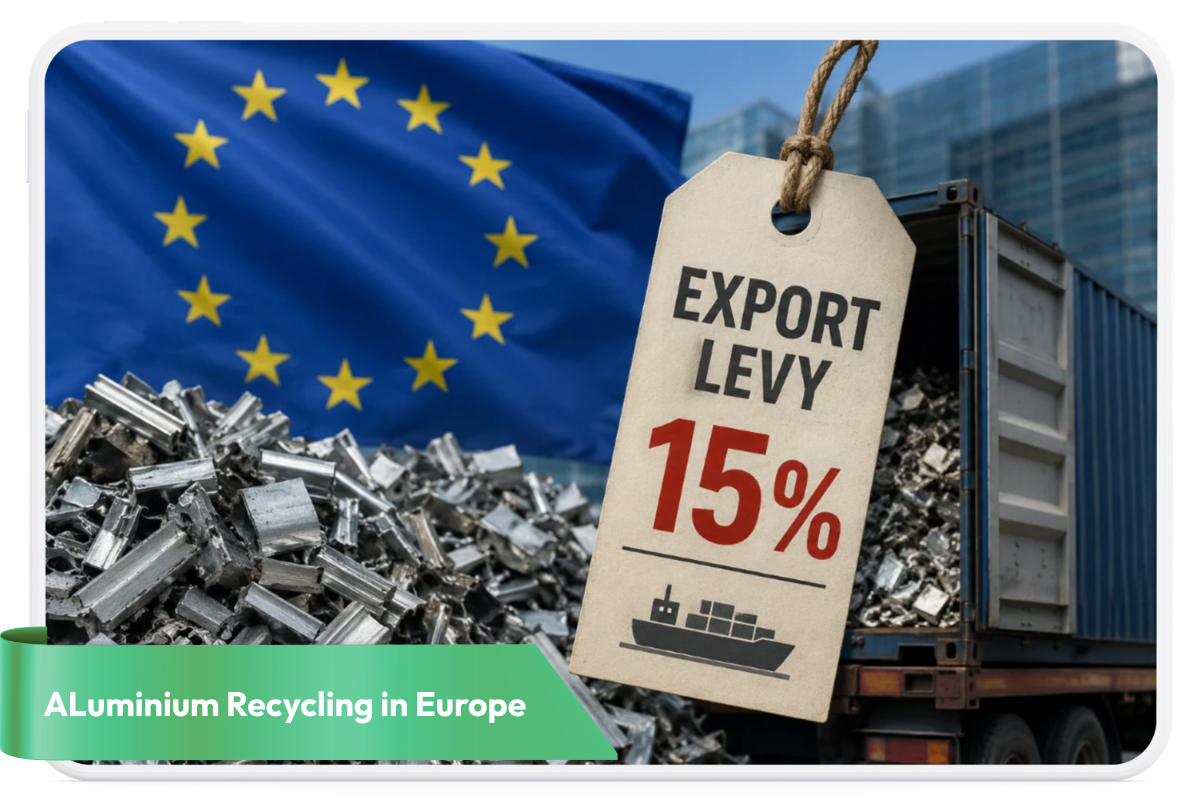
The image used in this article is generated with an AI tool and does not depict any real-time moment
The European Union is preparing to introduce a 15 per cent levy on aluminium scrap exports in a move aimed at keeping more recyclable metal within the bloc as competition for critical raw materials intensifies. According to industry sources, the proposal is expected to be presented on September 9 and would mark the first time Brussels has imposed charges on goods leaving the EU.
The proposal comes as European aluminium producers warn that increasing overseas demand is drawing valuable scrap away from the region. They argue that smelters in markets such as Asia and the United States, benefiting from stronger margins, are able to outbid European buyers, remelt the scrap into primary products and ship the aluminium back into the EU.
The issue has become more pronounced in recent months after the closure of the Strait of Hormuz disrupted aluminium exports from the Gulf, increasing international demand for European scrap.
The United States has also contributed to shifting trade flows by imposing a 50 per cent tariff on finished aluminium imports while exempting aluminium scrap from those duties.
Industry data reflects the growing pressure on Europe's recycled metal supply. According to European Aluminium, exports of EU aluminium scrap reached a record 1.27 million tonnes in 2025, representing an increase of about 50 per cent compared with 2019. Most of these shipments were destined for India and China. Delve deeper into the recycled aluminium and secondary aluminium market with our World Recycled ALuminium Market Analysis Industry forecast to 2032
At the same time, Fastmarkets data shows scrap prices have risen sharply, climbing from EUR 1,500 per tonne in October to EUR 2,240 per tonne. Aluminium prices have increased more modestly, from around EUR 2,700 to EUR 3,150 per tonne, reducing profit margins for European producers, who also continue to face significantly higher energy costs than many international competitors.
European aluminium producers say maintaining domestic recycling capacity is increasingly important as governments seek secure supplies of metals needed for defence applications and clean energy technologies, while the United States and China continue expanding access to raw materials through overseas investments and supply agreements.
The recycling sector has already made significant investments in new facilities to reduce carbon emissions. However, European Aluminium estimates that around 15 per cent of the EU's recycling furnace capacity remains idle because operators cannot secure sufficient scrap. The association estimates the region faces an annual scrap deficit of about 2 million tonnes. The sector generates approximately EUR 40 billion in annual revenue, directly employs 250,000 people and supports an additional one million jobs across Europe.
European Trade Commissioner Maroš Šefčovič said, "In order to flourish and contribute to the EU’s environmental objectives, competitiveness and economic security, the European waste management industry requires strong and stable domestic demand of recycled materials."
European Aluminium, however, has welcomed the proposed measure.
"European industry deserves the opportunity to compete in a game that isn’t rigged. This groundbreaking measure is an important demonstration of the Commission’s growing determination to do what it takes to defend Europe’s interests in a world that has fundamentally and irreversibly changed," said Paul Voss, director-general of European Aluminium.
The proposal will require approval from a weighted majority of EU member states before it can take effect.
Alongside the aluminium scrap levy, the September package is also expected to examine how the EU could implement a proposed ban on exports of rare earth magnets. The bloc is seeking to strengthen recycling of these magnets—widely used in wind turbines, electric vehicles and other clean energy technologies—to reduce dependence on China, which dominates global rare earth magnet manufacturing and has periodically imposed export restrictions.
Explore the position of aluminium at the intersection of sustainability and strategy in Sustainability & Recycling: Aluminium's Dual Commitment
Aluminium scrap supply surge could cool LME rally to $2,400–2,700/t, says InCred
Next articleUK’s aluminium scrap exports grow 9% during Jan-Apr 2026, despite declines to India, Hong Kong, Germany & China
Grow with
AL Circle