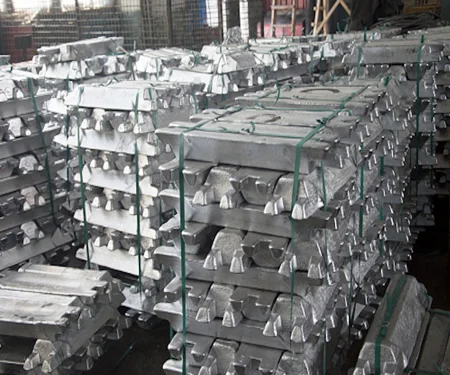
The US steel and aluminium tariff has come into effect from March 12, and in response to it, the European Commission has launched immediate countermeasures on US imports into the European Union (EU).
In a decisive retaliation against the US steel and aluminium tariffs, the European Commission has unveiled a package of countermeasures targeting US imports worth up to EUR 26 billion. The move signals a firm stance: if the US chooses to escalate the trade conflict, the EU will respond with equal force.
Persuasion strategy tastes the dust
President Donald Trump’s latest tariffs, a steep 25 per cent on industrial steel and aluminium imports — took effect on March 12, impacting an estimated USD 28 billion in EU exports. This isn’t entirely unexpected. Trump has long expressed his scepticism of the EU, accusing the bloc of unfair trade practices and even suggesting it was designed to “screw” America. The threat of additional tariffs on European cars further fans the flames of this ongoing economic feud.
For months, EU leaders pursued diplomacy. They explored ways to appease Washington, from boosting European purchases of American natural gas to maintaining an open dialogue. However, the EU’s patience has run dry with these fresh tariffs.
The European Commission’s countermeasures follow a two-pronged strategy:
- Reinstating suspended countermeasures: The EU will lift its suspension of retaliatory tariffs initially imposed in 2018 and 2020. These measures, affecting €8 billion worth of US steel and aluminium imports, will be reactivated from April 1. The suspension had been part of an attempt to negotiate a longer-term solution with the US — a hope that now seems distant.
- Introducing new countermeasures: In direct response to the latest US tariffs, the Commission is rolling out an additional package of countermeasures valued at over EUR 18 billion. These will come into effect by mid-April once the necessary consultations with Member States and industry stakeholders are completed.
Combined, these countermeasures aim to match the economic impact of the US tariffs euro for dollar, hitting US goods exports to the EU worth EUR 26 billion.
“Tariffs are taxes” — Von der Leyen’s warning
European Commission President Ursula von der Leyen didn’t mince words, condemning the US tariffs as harmful to businesses and consumers alike.
President of the European Commission said, “The trade relations between the European Union and the US are the biggest in the world. They have brought prosperity and security to millions of people, and trade has created millions of jobs on both sides of the Atlantic.”
Speaking about the implementation of the US steel and aluminium tariff, she voiced, “We deeply regret this measure. Tariffs are taxes. They are bad for business and even worse for consumers. These tariffs are disrupting supply chains. They bring uncertainty to the economy. Jobs are at stake. Prices will go up in Europe and the United States. The European Union must act to protect consumers and businesses. The countermeasures we take today are strong but proportionate. As the US is applying tariffs worth 28 billion dollars, we are responding with countermeasures worth EUR 26 billion. This matches the economic scope of the US tariffs. Our countermeasures will be introduced in two steps. Starting with April 1 and fully in place as of April 13. In the meantime, we will always remain open to negotiation. We firmly believe that in a world fraught with geopolitical and economic uncertainties, it is not our common interest to burden our economies with tariffs. We are ready to engage in meaningful dialogue. I have entrusted Trade Commissioner Maroš Šefčovič to resume his talks to explore better solutions with the US.”
Business backlash: the boating industry fights to stay afloat
The European Boating Industry (EBI) swiftly voiced its concern, warning that the retaliatory tariffs could severely impact small and medium-sized enterprises (SMEs) — the backbone of Europe’s recreational boating sector. With over 32,000 businesses and 280,000 direct jobs at stake, the industry fears a repeat of the 2018-2021 trade conflict.
“Tariffs disrupt businesses, hinder economic growth, and jeopardise jobs,” the EBI statement read. “The permanent removal of tariffs on unrelated sectors, such as recreational boats, would instead support economic growth on both sides of the Atlantic.”
In June 2018, the first administration under President Trump introduced tariffs on €6.4 billion (approximately EUR 8 billion based on 2024 flows and values) of European steel and aluminium exports. In January 2020, additional tariffs were imposed on around EUR 40 million of EU exports of specific steel and aluminium derivative products. In response, the EU implemented countermeasures in June 2018, targeting EUR 2.8 billion worth of US exports to the EU. A similar EU response occurred following the second set of US tariffs in 2020. Further rebalancing measures affecting exports valued at up to EUR 3.6 billion were scheduled to take effect on June 1, 2021. However, after discussions with the US regarding a tariff-based quota system for EU exporters, the EU suspended these measures until March 31, 2025, to allow time for both parties to develop a long-term solution.
On February 10, 2025, the US announced it would impose 25 per cent tariffs on steel, aluminium, and related products imports. President von der Leyen immediately warned that such tariffs would be “bad for business and worse for consumers” and would prompt a firm and proportionate response from Europe.
The EU’s reactivated restoration of the 2018 and 2020 countermeasures against the US will take effect on April 2, while the new tariff package is expected by mid-April. In the meantime, a two-week consultation with stakeholders runs until March 26, allowing businesses and Member States to provide input before the final measures are adopted.
The stakes are rising as the US has hinted at even more tariffs, including reciprocal measures on European goods and a potential hike in car tariffs as soon as April 2.
While the EU remains committed to diplomacy, its stance is unmistakably clear. If the US escalates this trade dispute, the member states will match the notion, ensuring that its industries and economies are defended with unwavering resolve.













_md.webp)
_md.webp)
_md.webp)