EGA’s milestone at the Al Taweelah aluminium recycling plant, a move attempted to bridge the Guinean bauxite sourcing gap
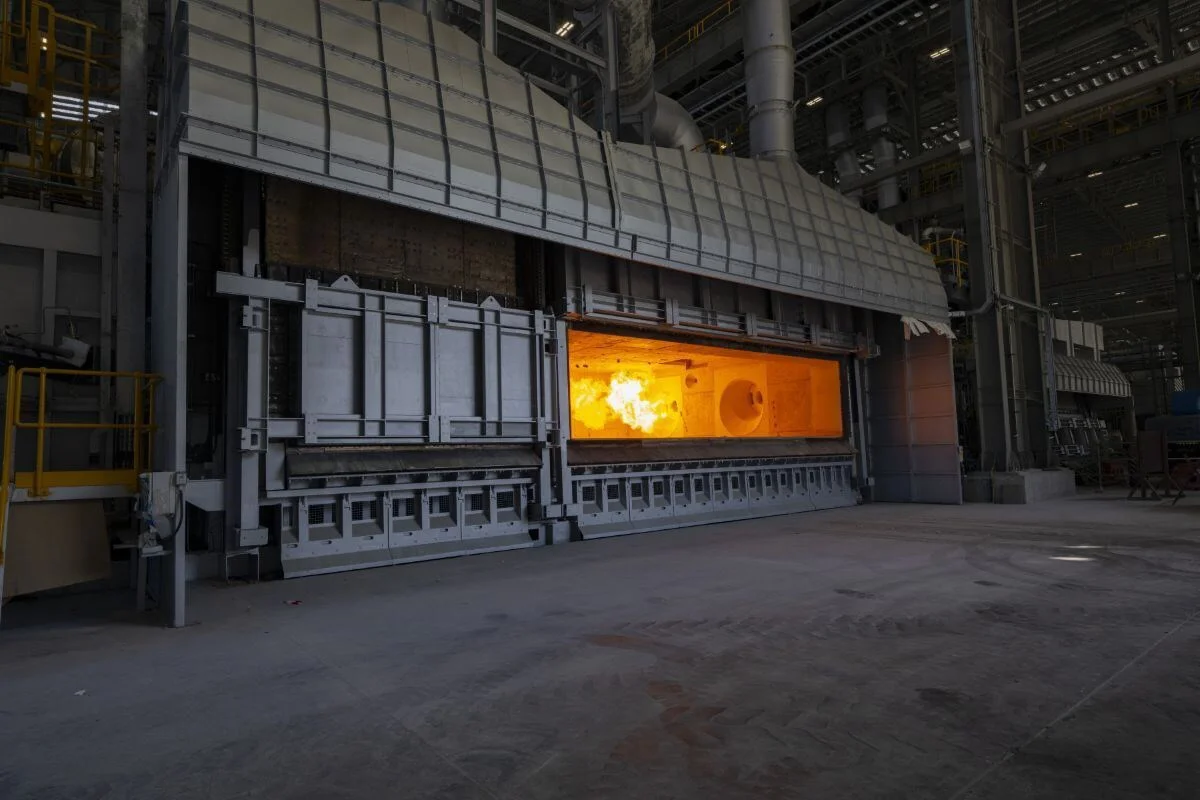
Emirates Global Aluminium (EGA), the largest company among the Gulf Cooperation Council (GCC) countries in the aluminium industry, has achieved a major construction milestone at its aluminium recycling plant in Al Taweelah, with the facility’s giant melting furnace charged with aluminium scrap for the first time. The development is an indication of the shift towards domestic recycled aluminium production to bridge the bauxite sourcing gap caused by Guinea’s policy of revoking bauxite mining licences from foreign countries in August 2025 to boost state control.
Explore- Most accurate data to drive business decisions with Global Aluminium Industry Outlook 2026 across the value chain
The outcome marks a significant step closer to the completion of the Al Taweelah aluminium recycling plant that EGA expects to achieve by the first quarter (Q1) of 2026. Once operational, the facility production capacity ramp-up is expected to reach 185,000 tonnes per year, making it the largest aluminium recycling plant in the UAE as well as the GCC bloc.
Functions and equipment of the recycling plant
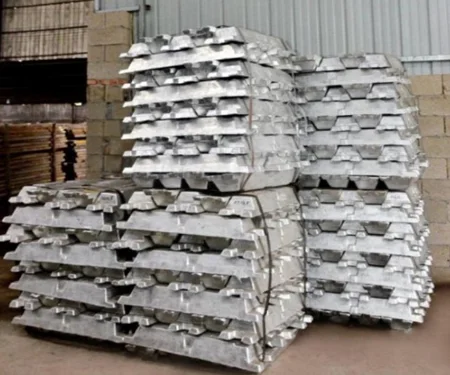
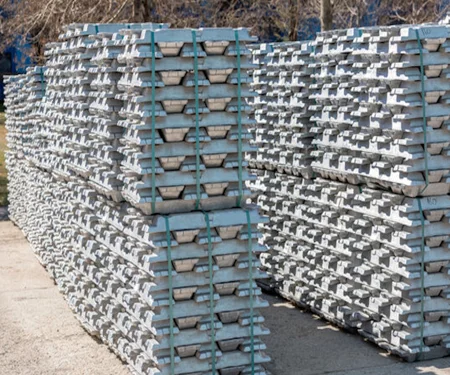
The plant will process both post-consumer and pre-consumer aluminium scrap, blending recycled metal with primary aluminium to produce high-quality but low-carbon billets and T-bars. These products will be marketed under RevivAL, the recycled aluminium brand of EGA. Moreover, recycled metal is fused with primary aluminium produced using solar power, sold as CelestiAL-R, and nuclear power, marketed as MinimAL-R.
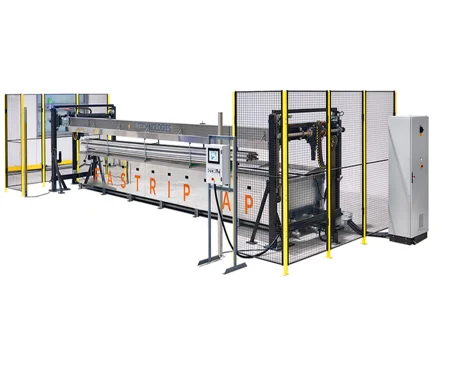
Commissioning of the scrap sorting system began in December, 2025. Having accelerated the progress early January, the facility can shred and separate scrap up to 153,000 tonnes annually. It combines mechanical, magnetic and X-ray-based segregation technologies. The recycling plant is equipped with a melting furnace having a production capacity of 90,000 tonnes annually, and operating at around 750 degrees Celsius, supported by heat regeneration burners to improve energy efficiency. Molten recycled aluminium is transferred to two holding furnaces, each with a capacity of 90 tonnes, where it is blended with primary metal and its chemistry adjusted before casting.
On-site work is in progress, to complete casting and homogenisation stations, which will enable the production of finished recycled aluminium products.
Importance and impact
Abdulnasser Bin Kalban, Chief Executive Officer of Emirates Global Aluminium, commented on the breakthrough, stating, “Aluminium’s infinite recyclability is a key reason our metal is an essential material for the development of a more sustainable society. We are now reaching the final stages of construction on this important project, which will turn aluminium scrap generated in the UAE and elsewhere into new high-quality aluminium products that make modern life possible.”
Aluminium recycling, which reduces energy consumption by approximately 95 per cent than primary production, significantly lowers greenhouse gas (GHG) emissions. With the projection of global demand for recycled aluminium doubling by 2040, this will enhance the strategic importance of recycling capacity.
EGA’s recycling progress on the international platform
EGA is expanding its recycling footprint alongside the Al Taweelah project. In 2024, it acquired German specialty foundry, the EGA Leichtmetall, and in December 2025, announced plans for a second facility near Hannover. This is expected to increase scrap sorting capacity by 110,000 tonnes per year and melting and casting capacity by 150,000 tonnes annually, with first hot metal expected in 2028.
Additionally, in the United States (US), EGA holds an 80 per cent stake in EGA Spectro Alloys, where a phased expansion is underway that will lift the Minnesota recycling capacity to 200,000 tonnes annually by 2027. It is collaborating with Century Aluminum to construct the first-ever smelter in the US in almost 50 years.
Don't miss out- Buyers are looking for your products on our B2B platform

Growing aluminium scrap consumption in China leads to a 5-year high import – Is this mirroring the US journey from primary to scrap?
Next articleFutures stabilise, spot premiums widen
Grow with
AL Circle