Diet Coke returns to Indian shelves in glass bottles amid aluminium can shortage
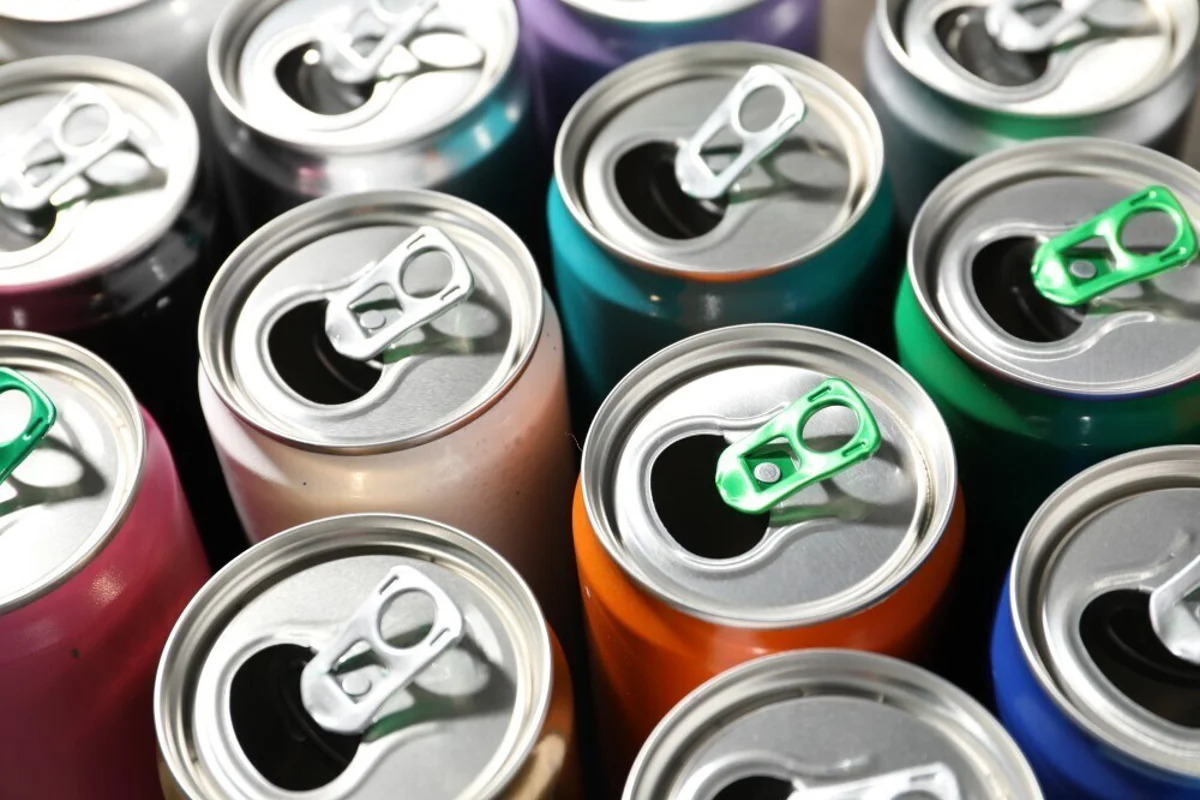
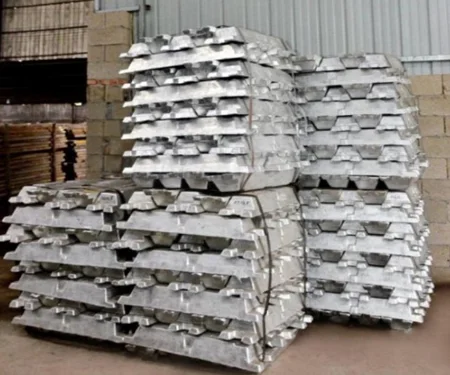
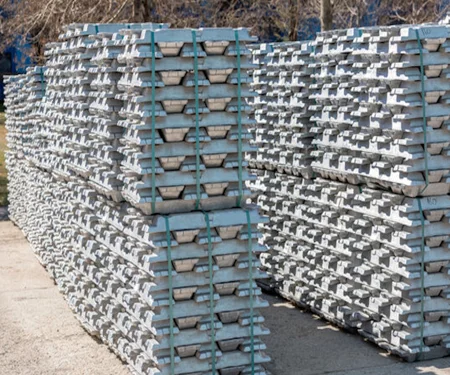
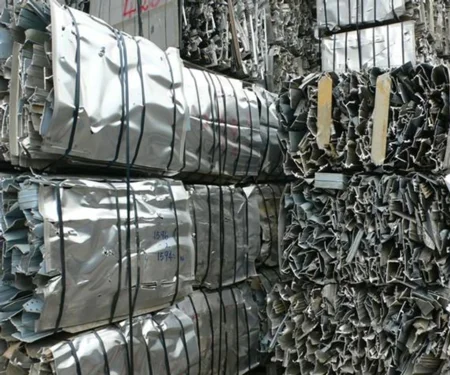
Stock image for referential purposes only
Coca-Cola’s Diet Coke is gradually returning to stores in India after weeks of supply shortages triggered by disruptions in aluminium can availability, though consumers are now facing significantly higher prices and a switch in packaging.
The shortage first began surfacing across cities, including Mumbai, Bengaluru, Pune and parts of Delhi-NCR, where retailers and consumers reported difficulty finding Diet Coke on shelves. Diet Coke heavily relied on aluminium cans, which is why the disruptions in supply made it more vulnerable.
Tensions in the Middle East, particularly in the Gulf regions, caused shortages in the supply chain, particularly in the shipping routes connected to the Strait of Hormuz. Delays in aluminium shipments, along with rising transportation and insurance costs, affected packaging availability for beverage brands in India.
To know more about the aluminium packaging market during supply chain uncertainty, explore our report ALuminium in Packaging: Consumer Trends and Market Dynamics
The situation became more difficult during peak summer demand, as sales of low- and no-sugar beverages continued rising sharply. Industry estimates suggested imported aluminium cans from regions such as the UAE, Sri Lanka and Southeast Asia were costing around 25 to 30 per cent more than before, increasing pressure on beverage companies already dealing with higher logistics expenses.
Domestic can manufacturers were also said to be operating near full capacity, limiting the ability to quickly increase local supply.
Diet Coke briefly disappeared from the market, from several retail stores and e-commerce platforms, which led consumers to stock them up whenever fresh stocks arrived. Social media reacted to the situation with memes around the shortages.
Diet Coke has now started reappearing in many stores, but this time in 200 ml glass bottles instead of the earlier aluminium can format. The return, however, has come with a steep price increase.
Don't miss out- Buyers are looking for your products on our B2B platform
In several cities, the glass bottle version is retailing for close to INR 100 (USD 1.07), compared with the earlier canned format that typically sold for around INR 30 (USD 0.32).
Industry observers say the shift to glass packaging reflects Coca-Cola’s attempt to maintain availability while aluminium supply chains remain unstable. However, glass production itself has also faced cost pressure because of higher fuel and LPG prices.
The shortage has also pushed some consumers toward alternatives such as Coke Zero, which remains more widely available through plastic bottle packaging.
Retailers say pricing and supply conditions may remain volatile until aluminium availability and shipping routes linked to the Gulf region stabilise more fully.
Must read: Key industry individuals share their thoughts on the trending topics

Bering Yachts’ first hull of aluminium explorer catamaran BC60 shows up in the market
Next articleMelbourne homeowners choose aluminium pool fencing for modern outdoor renovations in 2026
Grow with
AL Circle