The latest shot fired in the ongoing US-China economic standoff could have far-reaching implications for the global aluminium industry. Speaking in no uncertain terms, Scott Bessent, an economic advisor to former President Donald Trump, stated that “all options are on the table,” including the delisting of Chinese companies from American stock exchanges. While the statement is loaded with geopolitical overtones, its economic reverberations are particularly significant for the global commodities market — aluminium being one of the most affected.
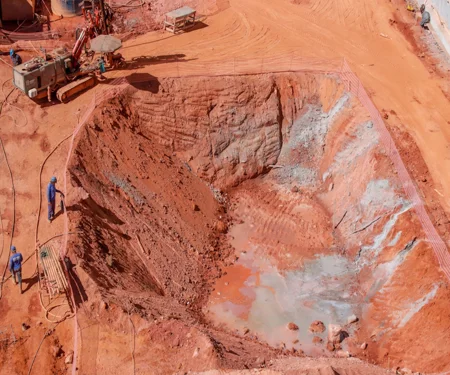
Image for referential purposes only and does not depict original scenario (source: https://www.smallcase.com/)
This development comes at a time when global markets are already battling fragile supply chains, and it could become a turning point for Indian and other non-Chinese aluminium producers.
Why aluminium matters in the crossfire
China dominates the aluminium sector, producing around 60 per cent of the world’s primary aluminium. Giants like Aluminum Corporation of China Limited (Chalco) and China Hongqiao Group anchor this dominance. While these companies are mostly listed in China and Hong Kong, a handful of Chinese metal firms trade American Depository Receipts (ADRs) in the US, primarily in upstream or resource-linked services.
However, delisting symbolises the bigger picture — a potential widening of the rift between the world’s two largest economies. And that could disrupt global trade patterns, investment strategies, and supply security in key industrial metals.
How US-China decoupling could disrupt aluminium markets
If Chinese aluminium-related companies are delisted from US exchanges, they would lose access to significant American institutional capital. This could limit their growth or slow capital-intensive expansions, especially in sectors like green aluminium, which require upfront investment.
This presents an optimistic window for India, the Middle East, and Southeast Asia companies to absorb redirected investment. With ESG investing on the rise, global funds may prefer jurisdictions with transparency and robust regulatory oversight — two things India is currently positioning itself for with reforms in mining and sustainability disclosures.
Many American manufacturers rely on Chinese aluminium for their downstream needs — from automotive parts to construction materials and consumer electronics. If the geopolitical divide deepens, US buyers may reduce reliance on Chinese supply chains voluntarily or due to regulatory pressure.
This opens the door for Indian producers like Hindalco, Vedanta Aluminium, and NALCO to step up and supply quality aluminium products that meet Western compliance standards. India, which accounts for just 3.5 per cent of global aluminium production, could increase its share in the downstream export market by leveraging this trust gap.
Why Indian aluminium firms are poised to benefit
India is the second-largest aluminium producer in Asia after China, and its major players are already undergoing strategic shifts:
- Through its Novelis subsidiary, Hindalco is a major rolled aluminium supplier to the North American automotive industry. As US buyers look to de-risk from Chinese sources, Novelis stands to strengthen its grip on the OEM value chain.
- Vedanta Aluminium has invested in technology upgrades and claims the lowest carbon footprint among primary aluminium producers in India. With carbon taxes and CBAMs (Carbon Border Adjustment Mechanisms) gaining traction in Europe and North America, Vedanta has a competitive edge in the premium aluminium export segment.
- With its fully integrated operations and bauxite linkages, NALCO offers the security of supply, an increasingly important factor in the age of protectionism.
Moreover, India has signed or is negotiating multiple Free Trade Agreements (FTAs), including with the EU and UK — that could facilitate preferential access for Indian aluminium products in case Chinese goods face sanctions or scrutiny.
Geopolitics meets green aluminium
Another dimension is the push toward decarbonised aluminium. Western buyers are demanding greener, traceable aluminium, a market where Chinese producers are trying to clean up their image by relocating smelters to hydro-rich regions like Yunnan.
Yet, persistent concerns over emissions reporting and labour standards in China have created an ESG perception gap. Indian producers, meanwhile, are investing in renewables-powered smelting and recycling, aligning themselves with global sustainability metrics.
With the US increasingly positioning itself as a clean-tech leader, aluminium from reliable and ESG-compliant partners will likely be prioritised. If delisting pushes Chinese firms further out of global supply chains, producers like Hindalco and Vedanta could enjoy increased leverage and pricing power.
Still, the path is not without hurdles. India’s aluminium exports are heavily reliant on raw metal, not value-added products, an area where Chinese players still lead. To fully capitalise on this geopolitical realignment, Indian firms must scale up downstream capabilities and invest in logistics, certifications, and global branding.
Additionally, US policy itself remains fluid. Delisting decisions depend on broader international diplomatic trade negotiations, and markets hate ambiguity. Investors in the aluminium space must watch for concrete actions rather than rhetoric.
The reported delisting of Chinese firms from US exchanges is more than a Wall Street issue; it signals where the winds are blowing in global trade. For the aluminium industry, it could reshape sourcing patterns, redirect capital flows, and redefine who gets a seat at the table in the next decade of industrial growth.
For India, this could be a golden opportunity to step out of China’s shadow and establish itself as a reliable, responsible, and resilient aluminium powerhouse if it plays its cards right.














_md.webp)
_md.webp)