Constellium projects 10-20 per cent annual growth in automobile demand for aluminium
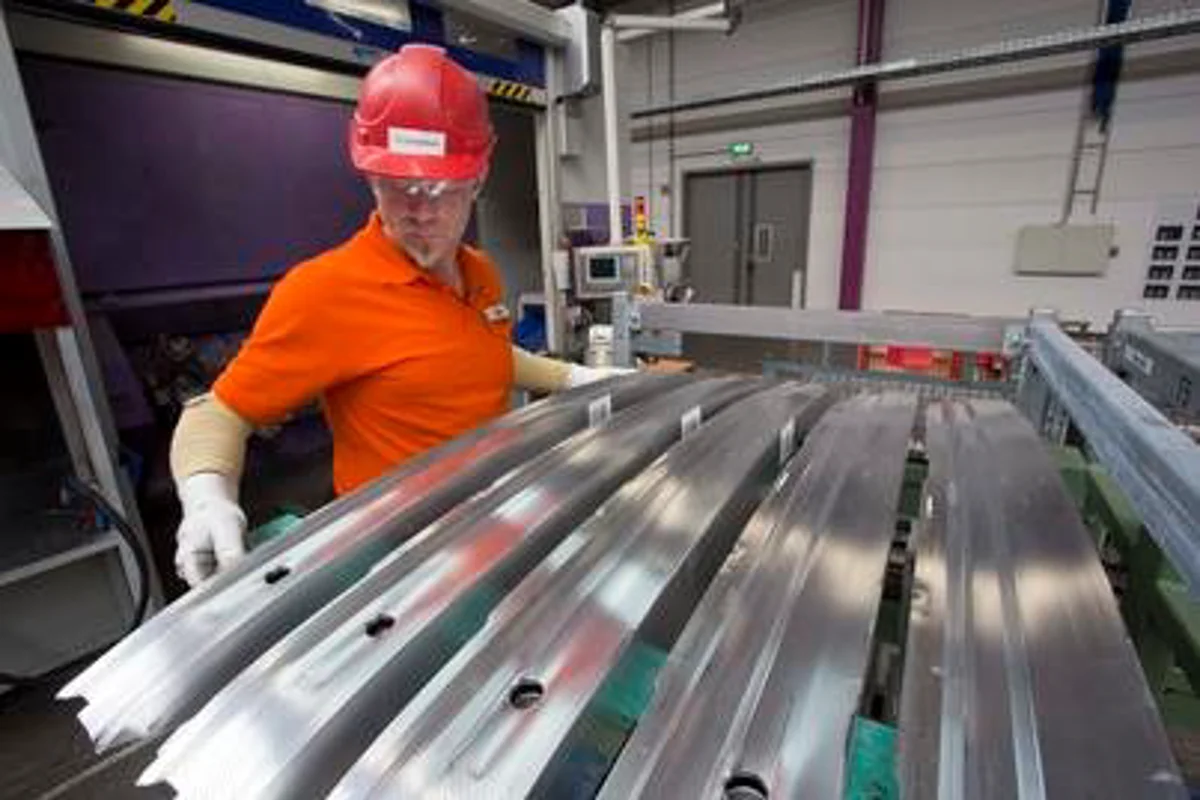
Aluminium auto parts maker and rolled and extrusion product manufacturer Constellium said that the decline of diesel engine will support the use of aluminium in cars as automakers will shift to lightweight cars to meet strict emission targets.
Aluminium has become a significant part in the development of premium lightweight vehicles and electric vehicles as a smarter alternative to steel. The metal will continue to play an equivalent role in pushing EVs to the mass market.
“If diesel is struggling then in a way it’s good for aluminum,” Constellium Chief Executive Jean-Marc Germain told Reuters. “Aluminum is very well placed to help reduce emissions.”
Politicians are calling for bans on diesel vehicles on the ground that it releases greater nitrogen oxides. The European Union is planning to cut car emissions limits by around a third by 2030.
Constellium is among the world’s largest suppliers of aluminium products along with Arconic and Novelis. The company projects 10-20 per cent annual growth in automobile demand for aluminium, as more and more automakers are shifting towards multi-material cars for lightweighting.

After the U.S. sanctions on Rusal aluminium, Constellium has shifted to other suppliers for the next year’s supply of the primary metal. Germain said that Rusal aluminium represented just 2-3 per cent of its total aluminium requirement. Constellium, according to him, did not face any sourcing problem for aluminium from its pool of suppliers. Their suppliers were not concerned about a supply squeeze in either aluminium or alumina due to the Rusal sanctions.
Constellium, which reported 2 per cent increase in its third-quarter core earnings of 114 million euro is now focusing on a plan to reduce debt, Germain said. The company has a plan to move its headquarters back to France next year and close its current head office in the Netherlands, Germain said.
Canada’s aluminium wire export revenue to drop this year despite a rise in volume
Next articlePress Metal Aluminium’s 9M FY18 revenue up 15.5% on higher aluminium price
Grow with
AL Circle