Colombia's export of aluminium scrap during 2019-20 signifies enterprising growth; 25% further rise estimated for 2022

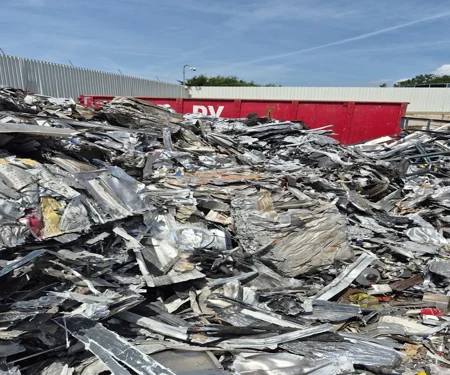
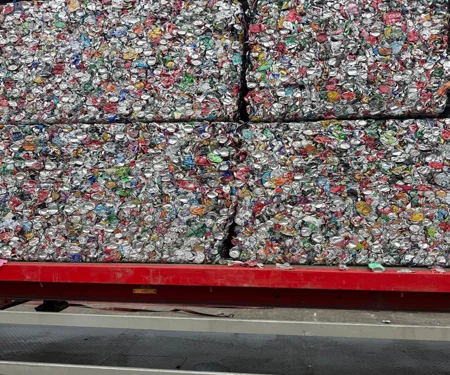
Circular economy guidelines dictate that all products should be made in such a way so they can be later demolished and remodelled into end products once the original product has become unusable. Aluminium scrap is one of those foundation materials that can be remodified into a wide variety of new products, so recycling it makes good economic and environmental sense.
Aluminium metals are used extensively in construction projects such as roads and bridges. In the transportation industry, it can be used to manufacture automobiles, aircraft and other modes of transportation.
Outside Asia, Colombia has one of the largest shipbuilding industries in the world. Modern industries like shipbuilding, electronics, automobile and construction contribute to Colombia's GDP; however, it also generates metal scrap like aluminium, among others.

The megadiverse nation in the world, Colombia exported 64,064 tonnes of aluminium scrap during 2020-21, attracting revenue earnings of around $82.26 million from the scrap export. In 2020, Colombia documented an aluminium scrap export of 28,330 tonnes, incurring earnings of $31.79 million. In 2021, the scrap exported recorded growth of 26.13%, as the export volume escalated to 35,734 tonnes and revenue inflow accounted for $50.47 million.
Recycling aluminium involves remelting the metal, which is much more cost-effective and energy-efficient than electrolytically extracting aluminium from bauxite ore. The energy required to recycle scrap aluminium is about 5% of that needed to make new aluminium.
Colombia's export of aluminium scrap in 2022 is analysed with further growth of 25.14%, as the export is estimated to climb to 44,720 tonnes, and earnings might stand at $71.38 million.

The major trading destinations for Colombia's export of aluminium scrap are Belgium, Brazil, Canada, China, Greece, Hong Kong, Japan, USA, etc.
Recycled aluminium weekly: Runaya records improved credit ratings by Ind-Ra; Hydro invests NOK 500 million to increase post-consumer recycling in Pennsylvania
Next articleReverse vending solution provider unveils world's smallest machine
Grow with
AL Circle