Climate action or trade barrier? Debate over CBAM stalls COP29 agenda

The UN climate summit in Baku, Azerbaijan, opened amidst intense behind-the-scenes negotiations as nations gathered for COP29 — the 29th Conference of Parties under the United Nations Framework Convention on Climate Change (UNFCCC). Early headlines touted a preliminary success as delegates agreed on key regulations to facilitate global carbon credit trading. Yet, this development came with contentious undercurrents, prompting critics to argue that such mechanisms could allow wealthier nations to finance emission reductions abroad and procrastinate on more costly domestic climate action.
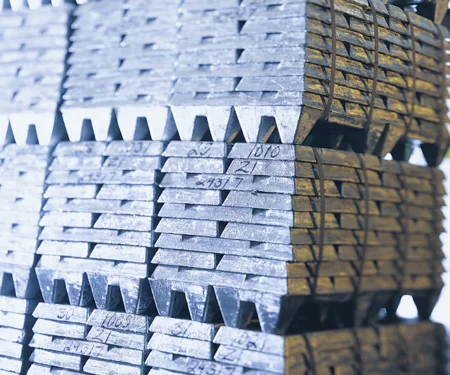
The opening plenary session experienced significant delays, stretching into the early hours of November 12, 2024, following demands from the BASIC coalition — comprising Brazil, South Africa, India, and China. This powerful bloc sought to add an urgent discussion on "climate change-related, trade-restrictive unilateral measures" to the summit's primary agenda. At the heart of this contention lies Europe's divisive Carbon Border Adjustment Mechanism (CBAM), a policy that enforces carbon tariffs on imports of emission-heavy commodities like aluminium, cement, electricity, fertilisers, hydrogen, iron and steel from countries lacking comparable carbon pricing regulations. The geopolitical implications have intensified, with the UK slated to introduce its version of CBAM in 2027 and Australia weighing similar measures.
Had CBAM gained inclusion on COP29's official agenda, it would have marked a significant shift, signalling that the UNFCCC is increasingly examining how trade and climate policy intersect. Such recognition would underscore the concern among developing nations over trade measures that they argue disproportionately burden their industries.
Unlock full access – sign up for FREE.
Key benefits
ReMA reaffirms the contribution of recycled aluminium, paper and more on America Recycles Day
Next articleASI grants Oman Aluminium Rolling Company with the Performance Standard V3 Certification
Grow with
AL Circle