Chinese carbon emission peak by 2030 needs renewable energy adaption for aluminium industry: CRU
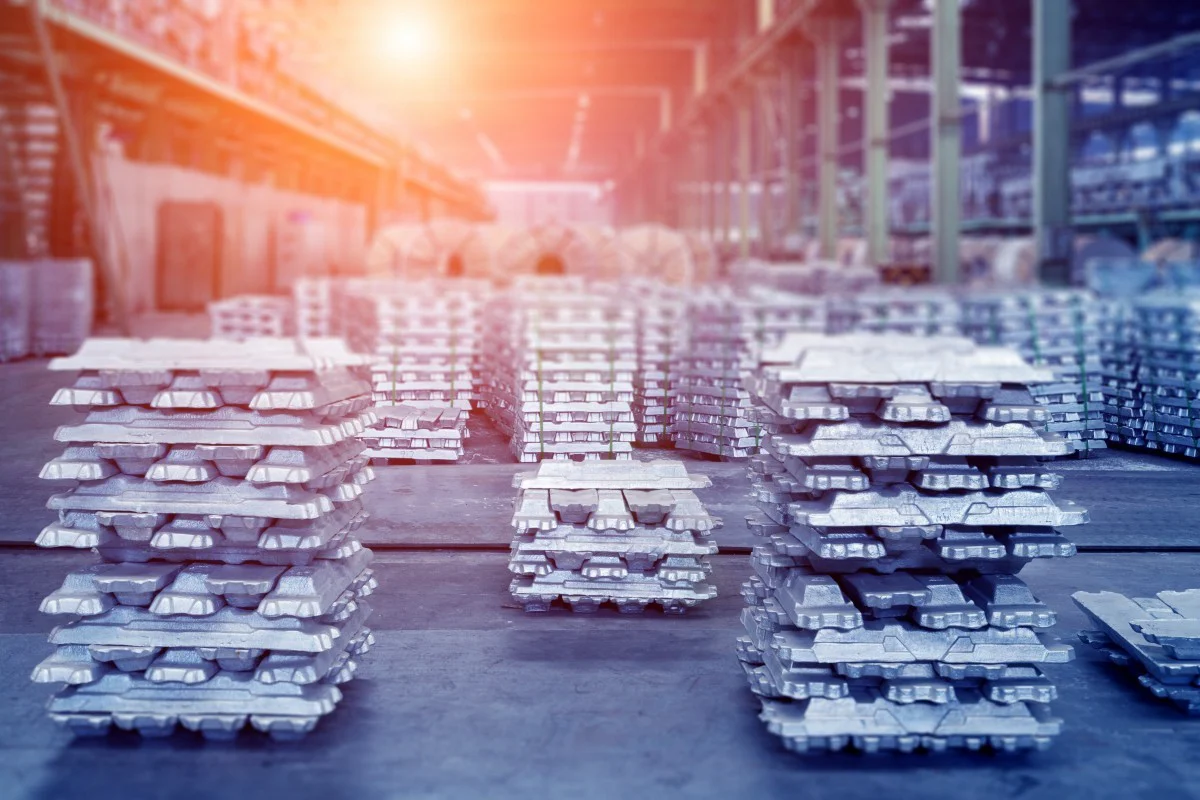
According to a team of analysts at London-based business intelligence company CRU, China will need to shift to renewable energy for achieving carbon neutrality, particularly for the aluminium industry, where renewable power is expected to rise from the current 16 per cent to 27 per cent by 2030. China has pledged to achieve carbon neutrality by 2060 and peak carbon emissions by 2030.
According to CRU, solar power has the largest potential for driving growth in the aluminium industry, while hydrogen energy is expected to be widely used in the steelmaking sector.
CRU believes the key to peak carbon emissions is to reduce and control carbon emissions from both the demand and supply side of the commodities market.
Carbon emissions from the steelmaking and aluminium smelting account for 98 per cent of the total carbon emissions in the Chinese metal industry. So, it is essential for both the metal sectors to find an efficient way to reduce carbon emissions, said CRU.
On the consumption side, decarbonisation efforts require building a low-carbon infrastructure on which the economy can operate. This includes smart grids, solar panels, wind turbines, and electric vehicles – infrastructure that requires more aluminium and copper metal volumes.
“We expect consumption of aluminium and copper in low-carbon infrastructure to increase by 40% and 292%, respectively, between 2020 and 2030. Unlike base metals, total steel demand will not be a huge beneficiary of green policies, although there will be increased demand for certain niche metals,” said CRU.

According to CRU, aluminium, copper, and steel are the critical materials for building solar power and wind power installations. Aluminium consumption is around 19,000 tonnes in the construction of 1 GW solar power generation sets.
CRU estimates demand for aluminium in energy vehicles and renewable energy sector to grow 40 per cent to 8.39 million tonnes by 2030 from 6 million tonnes in 2020.
China’s aluminium price drops to RMB 18550/t; Aluminium alloy (A356) price inches down by RMB 200/t
Next articleLME aluminium price downturned this week to US$2374/t; SHFE price slid by US$109/t to US$2867/t
Grow with
AL Circle