China’s secondary aluminium production will reach 20 million tonnes by 2030, expects Rusal

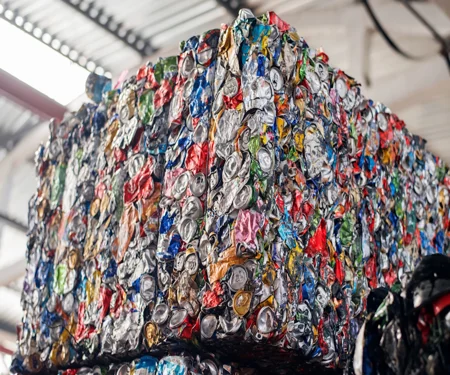
Rusal 0486.HK expects China’s secondary aluminium production to almost triple by the end of 2030 if all announced recycling projects come into operation. Russian aluminium giant Rusal, the largest aluminium producer outside China, established an office in Shanghai last year, attempting to sell more low-carbon aluminium in Asia.
If all announced recycling projects commence operation, China’s secondary aluminium output will grow from 7.6 million tonnes in 2020 to 20 million tonnes in 2030, Inga Simonenko, head of market intelligence at Rusal Marketing GmbH, told the online CRU World Aluminium Conference.
Around 6.5 million tonnes of the total production in 2030 will be clustered in the southern Guangxi region, Simonenko's presentation showed.
China aims to have carbon emissions peak by 2030 and plans to cap primary aluminium smelting capacity at around 45 million tonnes against just over 37 million tonnes in 2020.
Aluminium production, being the most energy-intensive process, alone accounts for around 18 per cent of total emissions from China’s metal industry. Carbon emissions from secondary production are only 0.2 tonnes per tonne, a fraction of 12.5 tonnes of primary metal production, showed BOCI Global Commodities in a presentation.

However, for the next two years, China will continue to import significant quantities of scrap and secondary aluminium alloys until a complete scrap collection system falls in place, added Simonenko.
India: Maruti Suzuki Toyotsu vehicle dismantling and recycling venture to propel from July 2021
Next articleNetherlands export of aluminium scrap during 2018-20 tracks decent growth; 2021 predicated with 2% upswing
Grow with
AL Circle