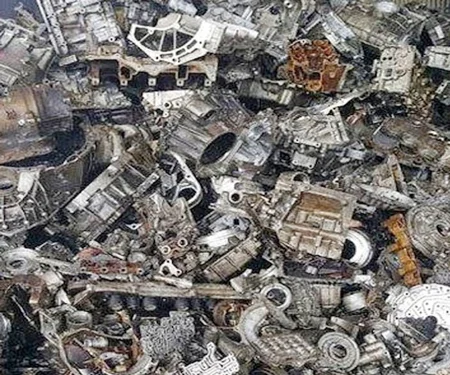
Netherlands export of aluminium scrap during 2018-20 tracks decent growth; 2021 predicated with 2% upswing
The Dutch economy is envisioned to grow by 2.7% in 2021 and 3.7% in 2022, reaching the pre-Covid levels at the beginning of 2022. Consumption will navigate the recovery as households normalise their saving after the sharp increase in 2020. Private investment will enhance, but pursue to be held back by abiding uncertainty. Bankruptcies are expected to rise and unemployment is set to peak in the second half of 2021 following the phasing out of support measures.
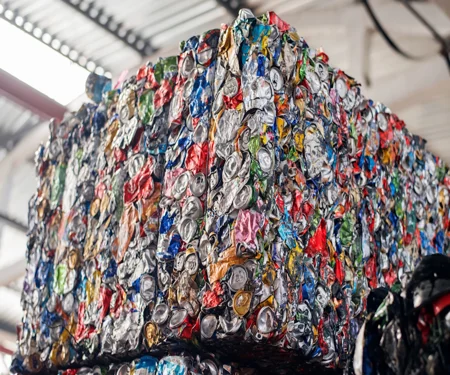
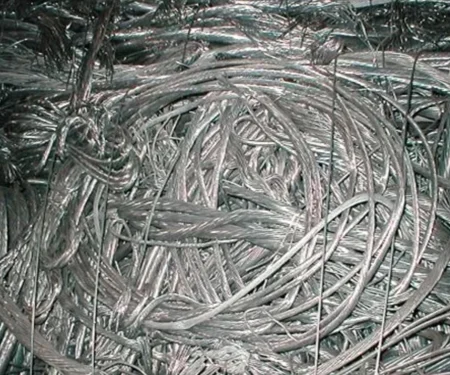
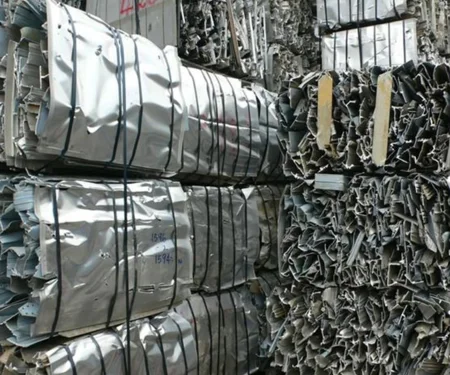
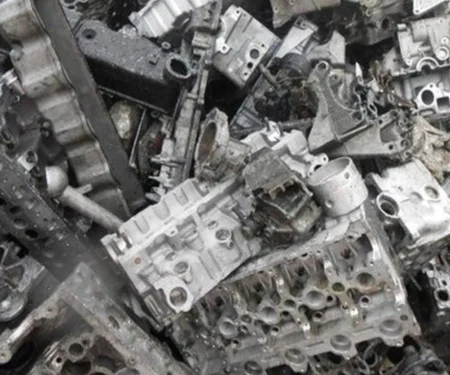
The manufacturing and export of machinery, metallurgy, electrical goods contribute heavily to the economy of the Netherlands. These industries other than selling their products also support the economy by exporting metal scrap, as aluminium is one of them. The north-western European nation’s export of aluminium scrap during 2018-20 was recorded at 1.18 million tonnes and the revenue earned by the export was accounted for $1.124 billion.
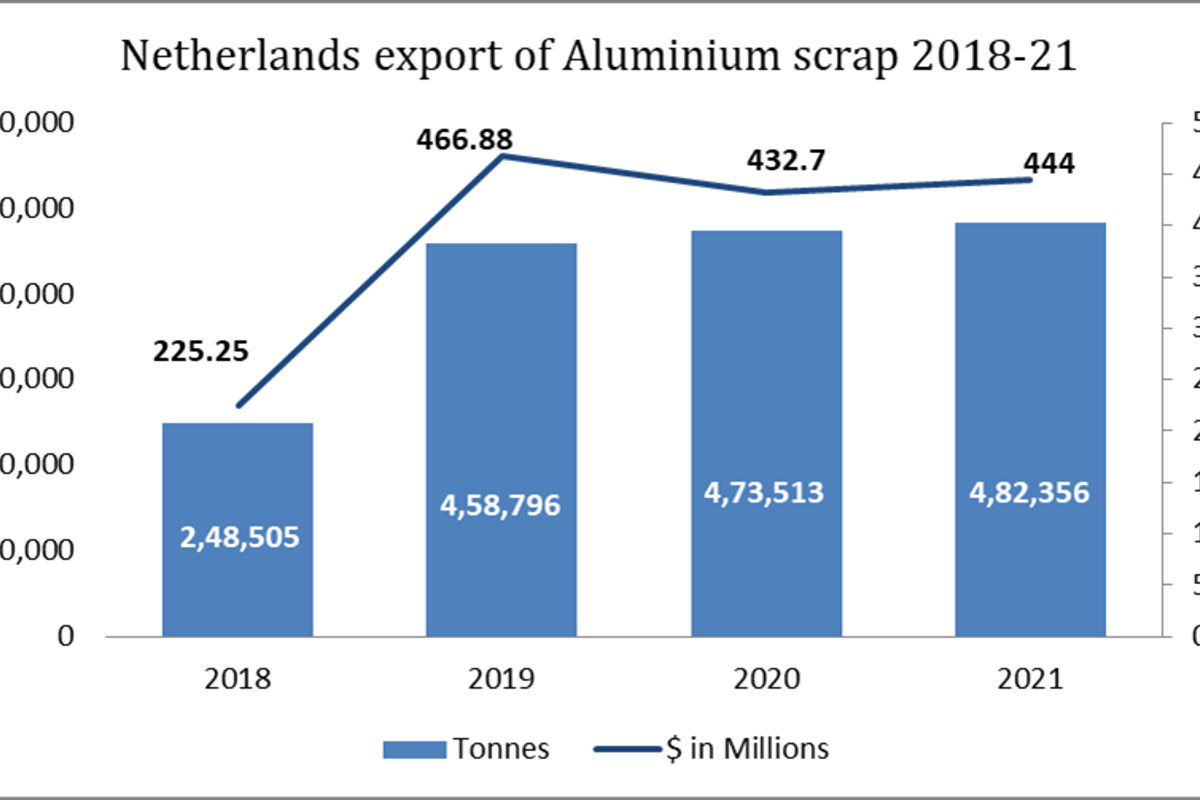
In 2018, the Netherlands export of aluminium scrap was documented at 248,505 tonnes and the earnings were noted at $225.25 million, whereas, in 2019, the export saw growth by 84.62%, as the export volume rose to 458,796 tonnes and the earnings grew to $466.88 million.
The export for 2020 was registered at 473,513 tonnes, a growth of 3.20%, while the earnings dropped to $432.70 million.
Netherlands export of aluminium scrap for 2021 is analysed with further growth of 1.86%, as the export volume is expected to rise at 482,356 tonnes and the earnings to stand at $444 million.

The major trading nations for Netherlands export of aluminium scrap are Albania, Austria, Belgium, Brazil, China, Czech Rep., Cyprus, Finland, France, Germany, Hong Kong, Hungary, India, etc.,
China’s secondary aluminium production will reach 20 million tonnes by 2030, expects Rusal
Next articleChina’s secondary aluminium operating rates fall 5.44 percentage points to 59.56% in May 2021
Grow with
AL Circle