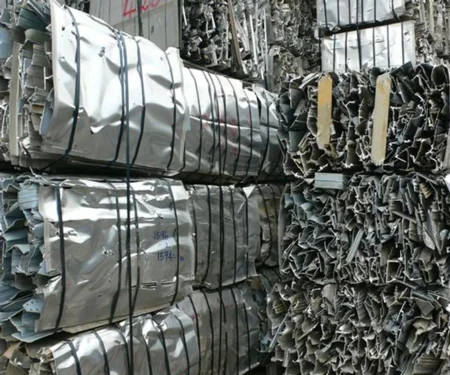
China’s secondary aluminium operating rates dropped in October than expected due to low downstream pre-scheduled orders
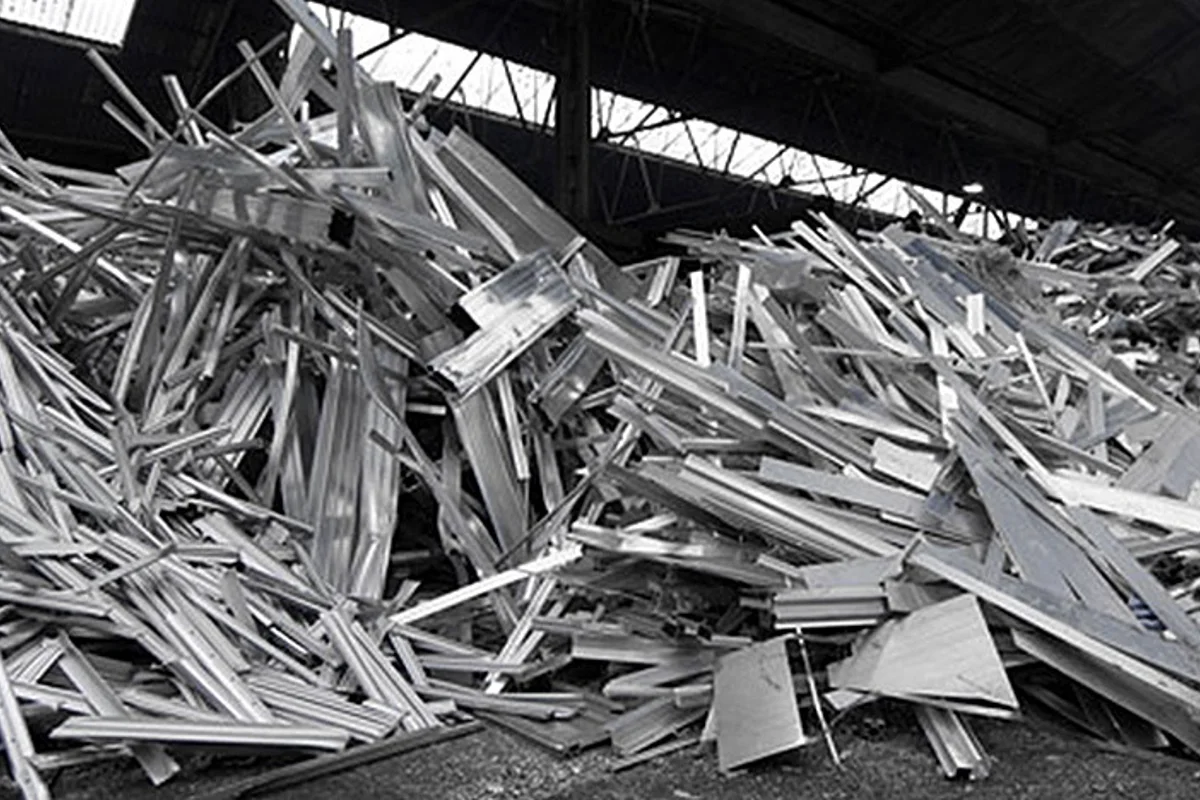
In October 2020, operating rates of China’s secondary aluminium industry declined 2.1 per cent month-on-month to stand at 57.5 per cent, found the Shanghai Metals Market. On a year-on-year calculation, the operating rates dropped by 3 per cent, marking a greater fall compared with last year’s October. The plunge of secondary aluminium industry’s operating rates was sharper than expected due to lower productivity at producers and downstream pre-scheduled orders in the National Day Holidays.
Moreover, with the news of import liberalization of scrap aluminium at the end of October, downstream wait-and-see sentiment increased significantly, further reducing the new orders for secondary aluminium plants.
In September 2020, China’s secondary aluminium producers’ operating rates stood at 59.6 per cent increasing by 6.6 percentage points month-on-month.
As of November 10, domestic prices of secondary aluminium alloy have been stable from major factories, with quotations maintained at RMB 15,000-15,300 per tonne. In Chongqing, quotations from large factories increased to RMB 15,000 per tonne, while some smaller factories and traders quoted RMB 14,300-14,500 per tonne. Some transaction prices remained around RMB 14,600-14,800 per tonne.
_0_0.jpg)
China’s liberalization of aluminium scrap imports also affected the prices of domestic aluminium alloy exported to Japan. The prices began to decline to $1,870-1,930 per tonne after reaching the peak, learned SMM. Prices of imported aluminium alloy (ADC12) hovered at $1,770-1800 per tonne, while the current arriving spot prices dropped to RMB 13,800-14,200 per tonne.
Sri Lanka bans export of scrap metals, including Aluminium
Next articleUS aluminium scrap exports to Indonesia continue to grow for the third month in a row to 13,500 tonnes in Aug 2020
Grow with
AL Circle