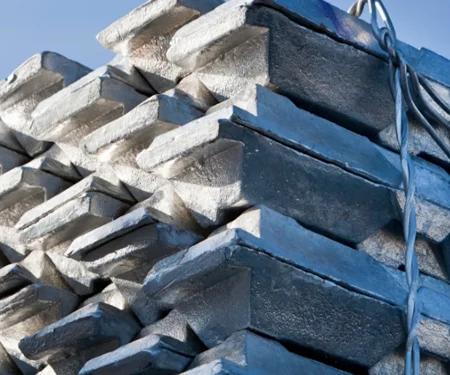
China’s average operating rate of secondary aluminium falls to 44.7% in 2021 despite a rise in new capacity to 1.85 MT

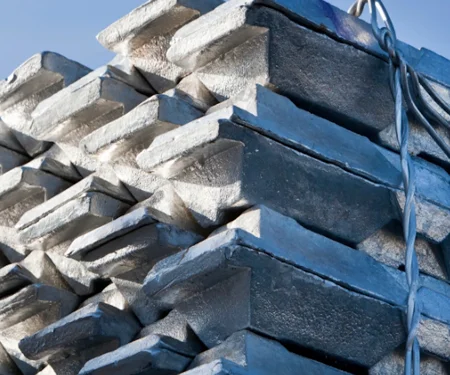
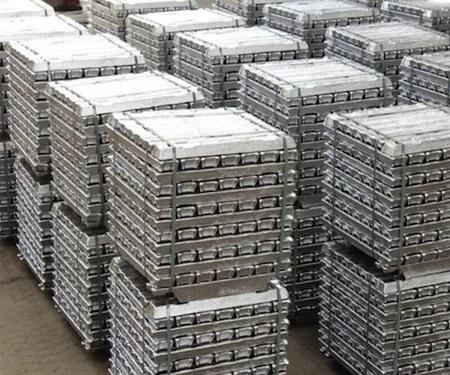
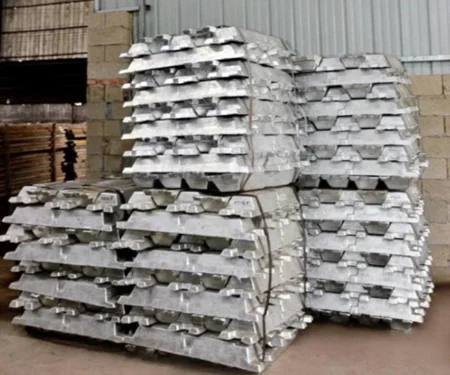
Shanghai Metals Market data found China’s new secondary aluminium capacity stood at 1.85 million tonnes in 2021, including 1.17 million tonnes of secondary aluminium casting alloy, while the total installed capacity was 11.96 million tonnes. But the average operating rate of secondary aluminium fell to 44.7 per cent in 2021, down by about 4.2 percentage points from 2020, owing to chip supply shortage across the downstream, control on energy consumption, and a large amount of aluminium alloy ingot imports.
In 2022, however, a lower amount of secondary aluminium capacity is expected to be added. According to SMM, new capacity will be around 1.8 million tonnes, of which 870,000 tonnes will be secondary aluminium casting alloy.
In recent years, with the narrowing consumption of automobiles, the traditional secondary aluminium casting alloy is highly competitive as its consumption is highly dependent on the consumption of traditional fuel vehicles. Besides, new energy vehicles mostly use primary aluminium alloy as the large-scale retirement period is at least 5 to 8 years away. So, the consumption of traditional secondary aluminium casting alloy may stagnate or even retreat.
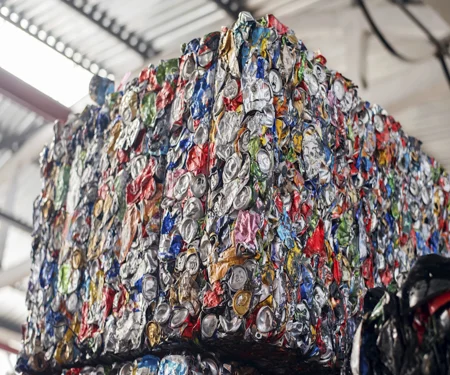
But in light of the ceiling of allowed aluminium production capacity and increased overseas awareness of green circular economy, aluminium scrap is becoming increasingly important as a raw material for the production of wrought aluminium alloy.
Large aluminium fabricators like Mingtai Aluminium and Nanshan Aluminium have started to step into the secondary aluminium market. In 2021, there were about 680,000 tonnes of new secondary wrought aluminium alloy capacity. This year, the figure is expected to rise to 930,000 tonnes.

For the distribution of new production capacities, Jiangxi, Henan, Guangxi, Anhui, Yunnan etc. are welcomed by the market.
Paraguay’s aluminium scrap export during 2019-21 blooms; 6% downfall estimated for 2022
Next articleTaiwan’s aluminium scrap imports from US show steady growth in H2 2021
Grow with
AL Circle