China’s aluminium industry becomes highly reliant on foreign supply for bauxite
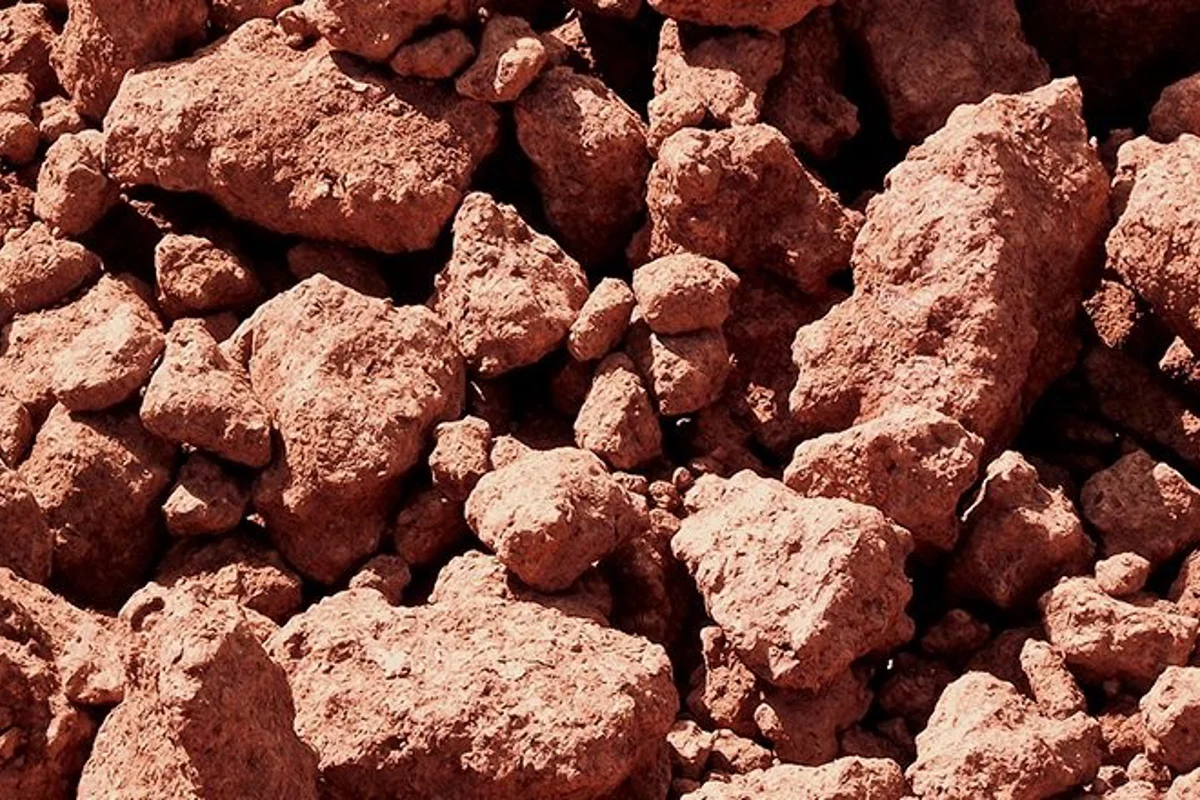
China's aluminium sector, the world's largest, is growing increasingly reliant on foreign supply of the ore needed to produce the metal, highlighting the country's long-term reliance on imported raw materials.
Alumina, an intermediate substance created from bauxite ore, is used to make the aluminium needed for aircraft, beverage cans, etc. According to state-owned researcher Beijing Antaike Information Development Co., 49 percent of this material will come from imported ore in China next year, up from 47 percent this year and roughly 30 percent in 2015. Imports of bauxite might reach 130 million tonnes in 2022, up from roughly 110 million tonnes this year.
Domestic mining has been hampered by depletion of local resources, dropping ore grades, and harsher environmental laws, resulting in a drop in local bauxite output since 2018. To ensure supply, Chinese alumina producers are modernising production lines to accept more international bauxite and investing in key mining economies such as Guinea and Indonesia.
According to Guo Chunqiao, an analyst with Hangzhou Jinjiang Group, the alumina maker plans to increase bauxite imports to 12 million tonnes next year from 8-9 million tonnes this year. As a result, the corporation should be able to function at near-full capacity next year. To cut expenses, the manufacturer would buy the material directly from miners in Guinea, Indonesia, Australia, Jamaica, and Malaysia, according to Guo.
Bauxite providers are not diversifying enough as their reliance on overseas ore grows, posing future dangers, according to Yan Jin, an analyst at Beijing Antaike. In 2020, imports from Guinea, Australia, and Indonesia accounted for 47 percent, 33 percent, and 17 percent of the country's total inbound volumes, respectively. In September, a coup in Guinea roiled the aluminium market, demonstrating how quickly concerns over raw material availability may explode.
_0_0.gif)
As of 12:18 p.m. in Shanghai, aluminium was unchanged at $2,628.50 per tonne on the London Metal Exchange, indicating a 33 percent gain this year and maintaining its position as the best-performing basic metal after tin. Shanghai futures were down 0.3 percent. On Thursday, other LME metals were mixed, with zinc continuing its gains for a sixth day and copper down 0.4 percent.
Canyon to release bankable feasibility study for Minim Martap bauxite project to improve production by above 20%
Next articleEGA inks three-year agreement with China’s Bosai Minerals Group for bauxite supply from Guinea
Grow with
AL Circle