China’s A00 aluminium ingot price loses RMB250/t through the week; Imported bauxite price from Guinea gains US$1/t overnight
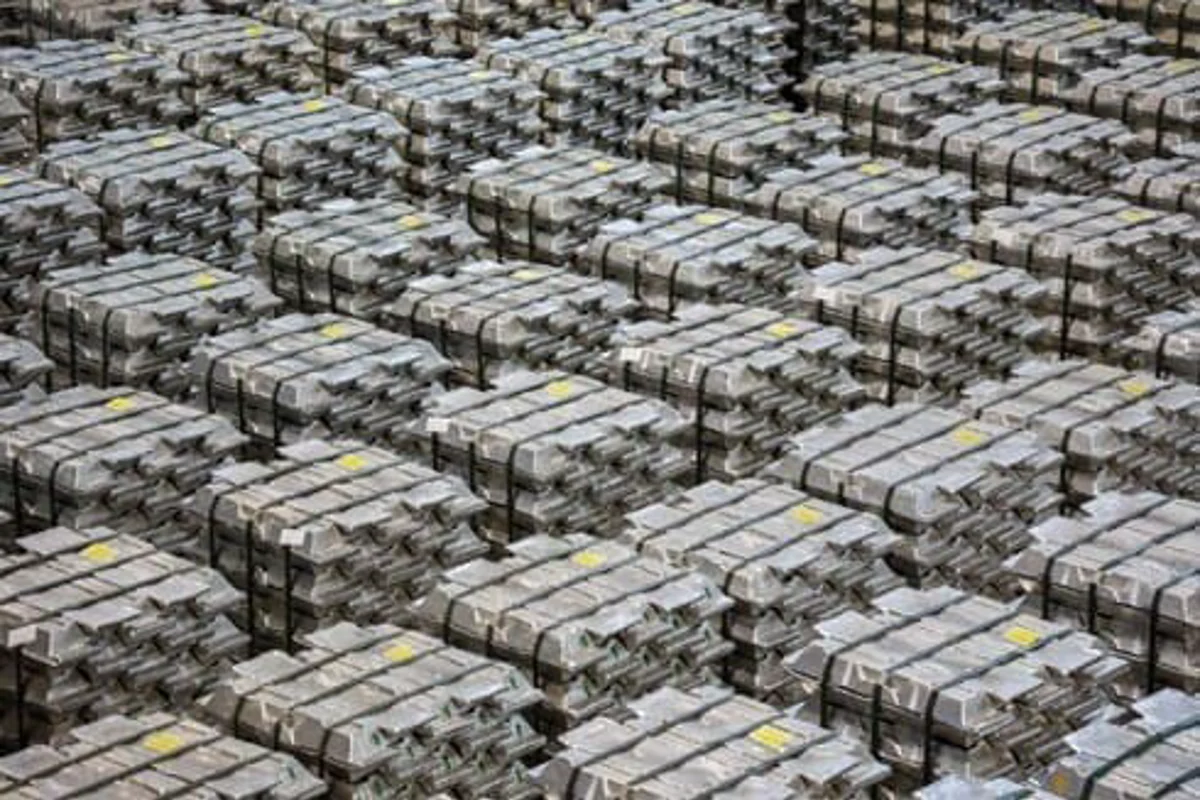
The market for aluminium ingot has experienced a major adjustment across various regions in China on Friday, June 14. According to the Shanghai Metal Market (SMM) survey, A00 aluminium ingot price has recorded at RMB 20,560 per tonnes, reflecting a decrease of RMB 100 per tonne following a downfall of RMB 130 per tonne or 0.48 per cent from the previous day. This decline is attributed to weaker market sentiment and increased inventories.
Region-wise price change
As per the Shanghai Metals Market (SMM), the aluminium ingot prices in Foshan and Chongqing have slumped by RMB 140 per tonne to halt at RMB 20,380 per tonne and RMB 20,500 per tonne, followed by a drop of RMB 120 per tonne in Linyi to reside at RMB 20,620 per tonne. In Gongyi, Wuxi and Hangzhou, the prices have slipped by RMB 100 per tonne to dock at RMB 20,520 per tonne, RMB 20,560 per tonne and RMB 20,580 per tonne. Aluminium ingot prices of Shen Yang and Tian Jin have decreased by RMB 60 per tonne and RMB 80 per tonne to stop at RMB 20,550 per tonne and RMB 20,660 per tonne.
Other prices
The price of raw materials like bauxite and alumina remained unchanged and relatively stable from the previous day across all regions of China except for Guinea bauxite. It has increased by RMB 1 per tonne to RMB 73 per tonne.
As per the SMM data, the price of aluminium alloys (ADC12), aluminium alloy (A356), aluminium alloy (A380), and aluminium alloy (A360) has declined by RMB 100 per tonne to reach RMB 20,200 per tonne, RMB 21,050 per tonne, RMB 21,200 per tonne, and RMB 21,350 per tonne. This trend is consistent across the East, South, Southwest, and Northeast regions. The price reduction is mainly due to decreased demand from key industries like automotive manufacturing.
Market analysis
The aluminium market as of today reflected a downturn, with significant price reductions in aluminium ingot and alloy. This indicates cooling demand in downstream sectors. It might be influenced by macroeconomic factors and inventory adjustments.
Japanese aluminium stocks remain steady M-o-M in May 2024, contributed by a 3% growth at Nagoya
Next articleVedanta expands its aluminium prices by 1% at the end of the week, aligned with LME price move
Grow with
AL Circle