Century Aluminum-Brimstone MoU to cut alumina import and bolster US aluminium supply chain

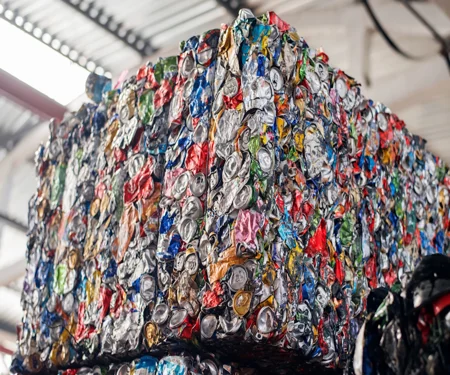
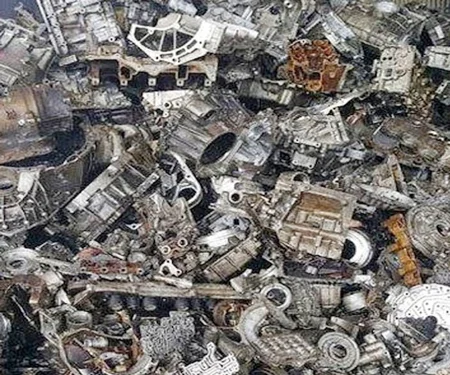
Stock image for referential purposes only
US-based primary aluminium producer Century Aluminum and American innovator in alumina and other industrial materials, Brimstone, have signed a memorandum of understanding (MOU) aimed at creating what could become the first fully domestic US "mine-to-metal" aluminium supply chain, strengthening the country's access to critical raw materials while reducing dependence on imports.
Under the proposed agreement, Brimstone will supply alumina to Century Aluminum from its planned production facility. This would enable the establishment of a US-based aluminium value chain replenished by domestic feedstock.
The US remains heavily dependent on imported alumina, the main raw material for aluminium smelting. As bauxite remains contained in subtropical regions, with countries such as China dominating global alumina and aluminium production by about 60 per cent, only one-sixth of the demand is met by domestically produced aluminium in the US.
Brimstone is seeking to address that challenge through an alternative refining process that eliminates the need for bauxite. Instead, the company uses calcium-bearing silicate rock, a feedstock that is abundant in the US and widely available globally.
Explore the relevance of red mud in the sustainable aluminium industry in A Comprehensive Analysis of Bauxite Residue (Red Mud): Sustainability, Resource Recovery and Strategic Recommendations
In this manner, Brimstone aims to bring alumina production back home “at a globally competitive price,” said Cody Finke, CEO at Brimstone.
Finke added that the partnership with Century Aluminum can potentially minimise reliance on foreign sources, help build “a resilient domestic critical minerals supply chain—strengthening national security, reducing import dependence, and creating high-quality American jobs.”
The agreement is in line with Century Aluminum’s strategy to boost the US primary aluminium production capacity.
Matt Aboud, Senior Vice President of Strategy at Century Aluminum, noted, “We continue to do our part to revitalise primary aluminium production in the US. This MoU with Brimstone represents another step forward in our objective to grow the domestic capacity of this critical metal.”
According to Aboud, “Securing additional domestic supply of alumina” would unlock growth and allow the US to maintain a cost-competitive edge by “making domestic production more efficient and cost-effective.”
The push for greater self-sufficiency comes amid rising aluminium demand for grid expansion, artificial intelligence (AI) data centres, renewable energy infrastructure and defence applications. Industry forecasts suggest aluminium demand could increase by as much as 40 per cent by 2030.
Delve deeper: How the American aluminium industry navigates through trade shifts, sustainability pressures, and rapid advances in manufacturing in the American Aluminium Industry: The Path Forward
The announcement follows Century Aluminum's recent plans to develop a new aluminium smelter in Inola, Oklahoma, in partnership with Emirates Global Aluminium (EGA). The project is expected to become the first new primary aluminium smelter built in the US in nearly five decades.
The company has also initiated the restart of idled capacity at its Mt Holly facility in South Carolina, a USD 50 million project that has generated over 100 jobs. It is expected to increase domestic production capacity by around 10 per cent.
Brimstone is currently advancing a commercial demonstration plant, Rock Refinery, in Reno, Nevada, scheduled to begin operations in 2028. Beyond alumina, the company's Rock Refinery technology is designed to generate multiple industrial materials and critical minerals from a single feedstock stream like steel, magnesium, titanium and cement.
Its first industrial-scale facility is expected to be commissioned by 2034 and achieve around 350,000 tonnes of smelter-grade alumina production annually, positioning Brimstone as a strong participant in the US industrial materials sector.

LME aluminium price graph falters on June 24: Cash slips 3.5%, stocks drop to 311,725t
Next articleRUSAL’s first aluminium smelter fully transitions to modern Russian gas cleaning systems
Grow with
AL Circle