America’s appetite for canned goods is shrinking, putting the industry under pressure. Between 2020 and 2024 US domestic shipments of food cans fell 16.7 per cent, from 28.45 billion cans to 23.7 billion, as per CMI.
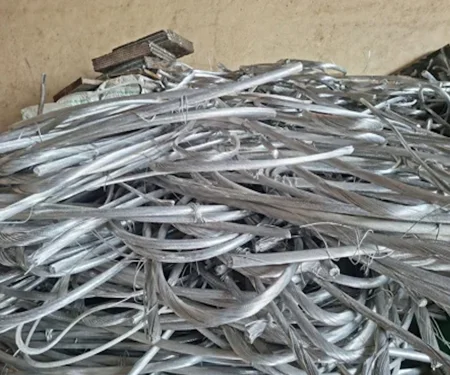
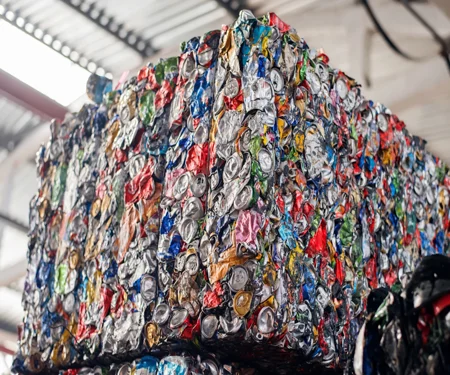
Image for representational purpose
Behind the decline is a rearrangement of what Americans buy in tins — a retreat from staple human-food categories and a quiet surge for coffee and pet food — and a story about changing tastes, packaging innovation and the mechanics of making the very objects whose fortunes are being reshaped.
Winners and losers on the production line
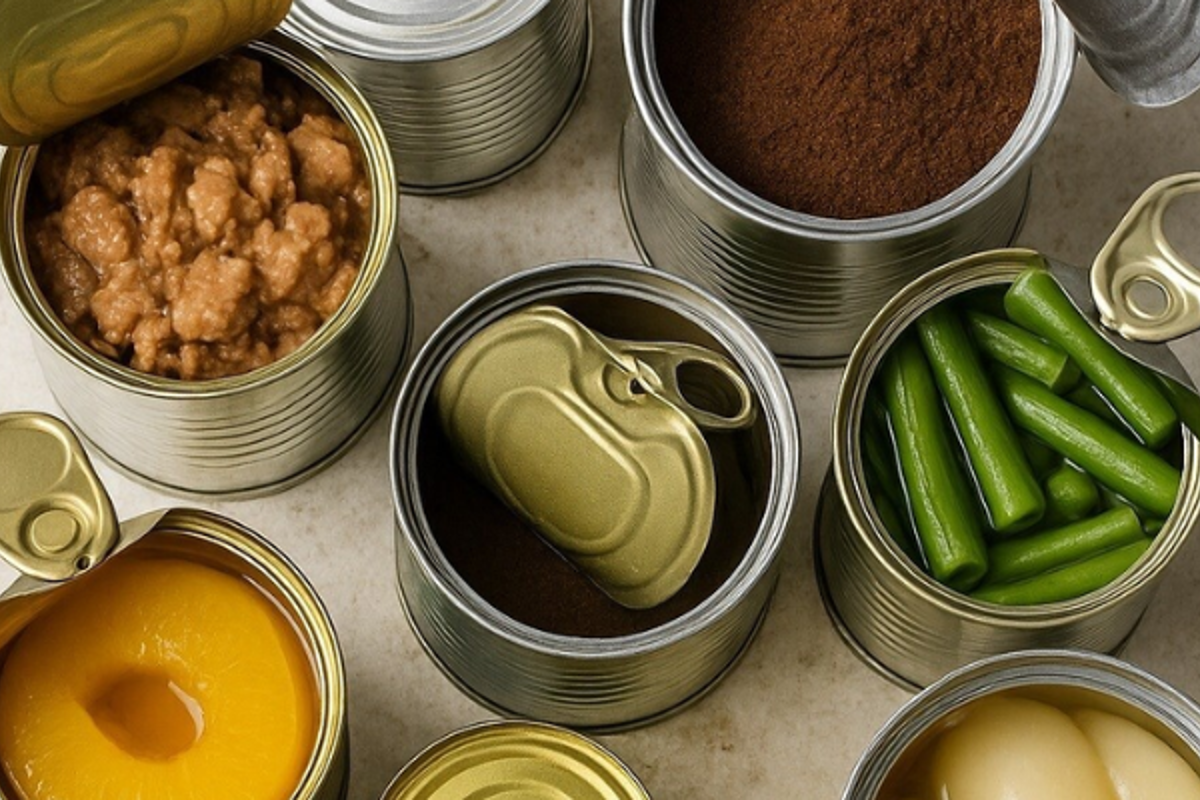
Not every can suffered equally. Coffee cans were the clear standout, rising 63 per cent over the four-year span to 0.075 billion cans in 2024 from 0.046 billion in 2020. Pet food also eked out gains, up 3.9 per cent to 8.825 billion.
The human-food side told a far grimmer story: vegetable cans plunged nearly 31 per cent to 6.629 billion; soups and miscellaneous food cans fell 19 per cent; all other food cans dropped about 26 per cent; fruit cans slipped 3.7 per cent. Taken together, shipments for human consumption categories sank around 25.5 per cent.
Year by year: how the market moved
The short-term picture shows volatility as consumer habits adjusted. In 2020–21 total shipments ticked up 1 per cent as coffee, fruit, vegetable and pet food categories gained even while soups and “all other food” declined.
The following year, 2021–22, a dramatic 80 per cent jump in coffee volumes could not offset steep falls in vegetables, soups and “all other food,” and total shipments fell 8.6 per cent. The downturn broadened in 2022–23 — vegetable cans slid 10.4 per cent, fruit 4.3 per cent and pet food 4.6 per cent — producing an overall 7.2 per cent decline.
In 2023–24 the market softened: coffee rose 4.2 per cent, fruit 1.6 per cent and pet food 2.3 per cent, but a renewed 10.3 per cent drop in vegetables helped push total shipments 2.8 per cent lower year-on-year.
Why the can is losing ground
The steep retreat in vegetable cans reflects a larger consumer pivot toward fresher, less processed food. Health consciousness, clean-eating trends and growing skepticism about preservatives and additives have nudged shoppers toward fresh, frozen or organic produce.
Soups and other prepared canned meals have been hit for similar reasons: shoppers are choosing refrigerated fresh soups, frozen options, meal kits and other ready-to-eat formats that feel less processed and more diverse. The rising availability of refrigerated fresh soups and meal kits, retailers say, is especially corrosive to canned-soup sales.
Even fruit — a category that has held up better than many — saw a modest drop as cooks and bakers increasingly reach for fresher, less sugary alternatives.
Also new packaging formats such as pouches, cartons, and resalable containers are making strong inroads, often perceived as fresher, more modern, and easier to use.
Where demand held up — and why
Two parts of the can market managed to grow even as most others declined. Coffee cans gained from the push for convenience and premium products. Single-serve drinks, on-the-go consumption, and a wider range of shelf-stable options have encouraged producers to use cans. New packaging that keeps flavour and extends shelf life has also opened up uses for canned coffee beyond the usual grocery shelves.
Pet food cans held firm for different reasons. More people are owning pets, and many are willing to spend more on premium wet food and specialised diets. Canned pet food is valued for its freshness and taste, which has supported steady growth in this category.
From coil to finished can: a short manufacturing story
The cans themselves begin life as thin metal “can sheet.” For aluminium cans the industry typically starts with large coils of alloy sheet — commonly AA3004 or AA3104 because of their balance of strength and formability. Coils are unwound, lubricated and stamped into circular blanks; those blanks are then drawn and ironed through a series of dies to form tall, thin-walled can bodies.
Bodies are trimmed and cleaned, given a food-safe internal lacquer, printed for branding, and finished at the top so they can be securely sealed with an aluminium end; leftover scrap is collected for recycling. Most beverage cans are entirely aluminium, while many food cans remain steel or a steel-aluminium combination.
Materials and the sustainability ledger
In the US, the can industry relies mainly on two metals: aluminium and steel. Steel — often tin-plated — is still widely used for soups, vegetables and other traditional staples because of its durability and strong barrier properties. Aluminium, valued for being lightweight, corrosion-resistant, strong after forming, and fully recyclable, is increasingly preferred for both performance and sustainability.
A representative sample from the sector illustrates this: a batch of 1,000 aluminium beverage cans carries a total metallic weight of 12.99 kilograms and a weighted average capacity of 13.6 fluid ounces per can. Recycled material content is high — about 73 per cent per can, including 50 per cent from post-consumer sources and 23 per cent from pre-consumer sources — while the end-of-life recycling rate stands at roughly 50.4 per cent.
The road ahead for the US food can industry is mixed. Traditional staples like vegetables and soups are likely to keep losing ground as shoppers turn to fresher and more convenient options. But the steady rise in coffee and pet food shows there is still space for cans when they meet modern needs. For makers, the challenge is to keep reinventing the can — combining its sustainability with new formats — so it remains part of America’s changing food culture.












_md.webp)
_md.webp)
_md.webp)