Can aluminium scrap power Canada's submarines? GH Power, TKMS dive in
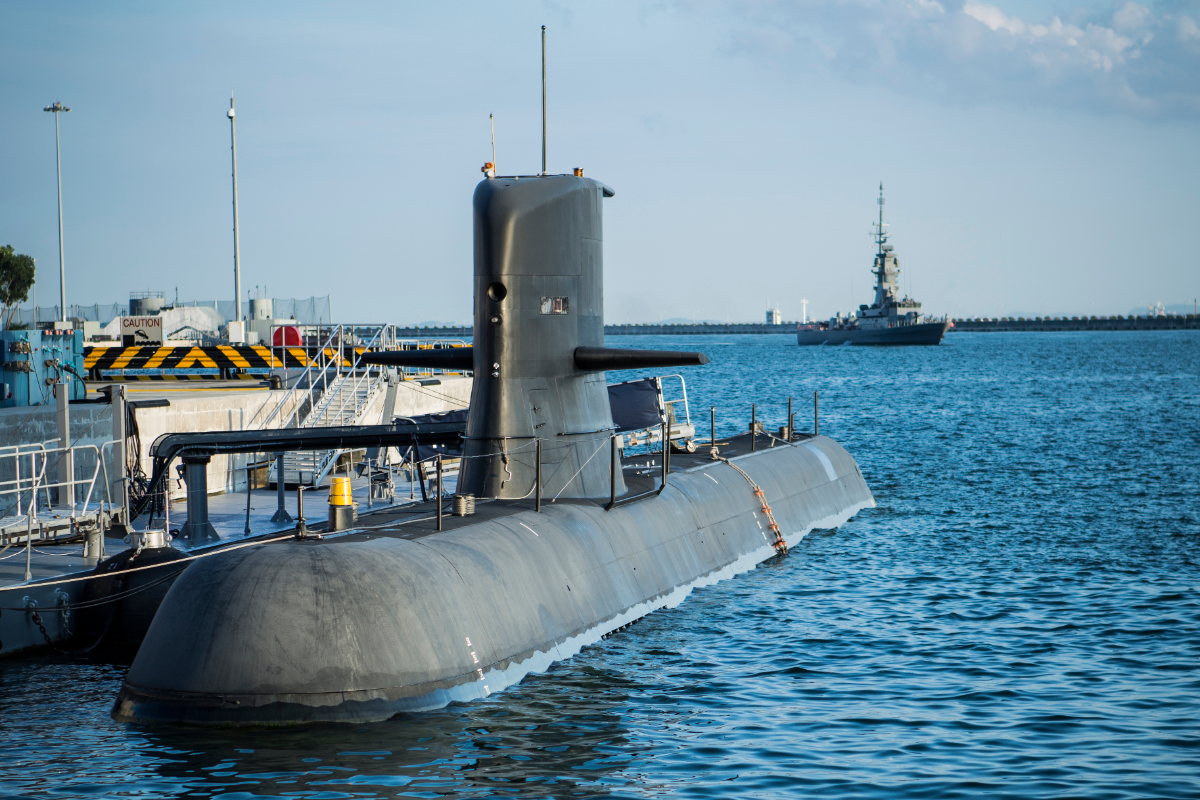
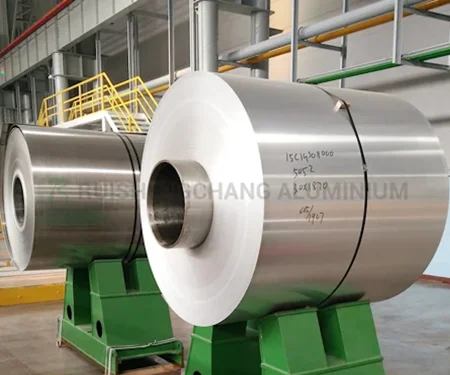
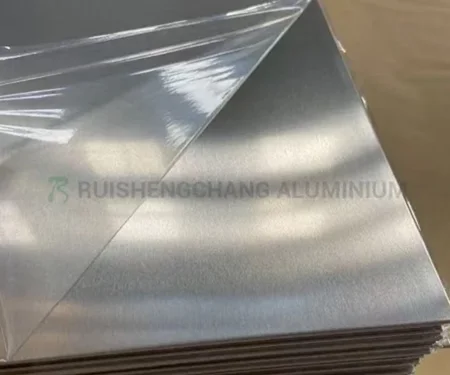
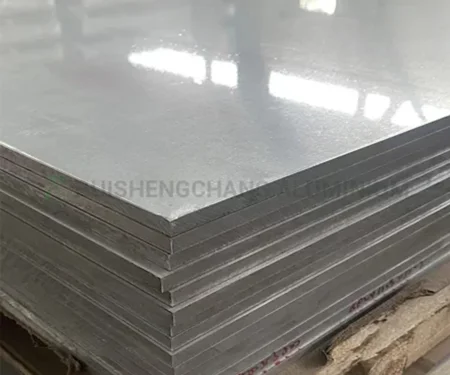
Stock image for referential purposes only
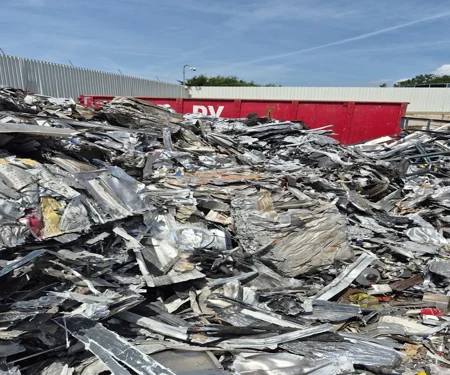
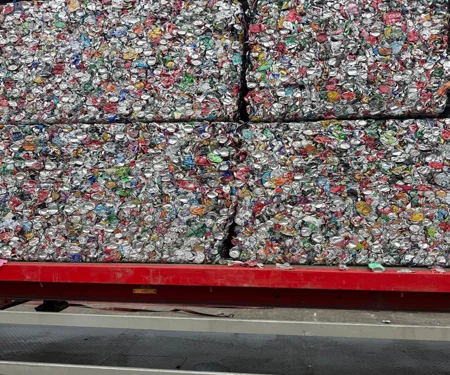
Canada’s planned submarine fleet could open a new industrial application for recycled aluminium. Canadian cleantech company GH Power is exploring a potential collaboration with Germany’s TKMS to convert scrap aluminium into hydrogen. The technology could potentially support the Type 212CD submarines, which use hydrogen fuel cells as part of their air-independent propulsion system.
GH Power’s technology is based on a modular chemical reactor that combines scrap or recycled metals, predominantly aluminium, with water. The process generates three outputs, viz., hydrogen, high-purity alumina (HPA) and heat.
Join the webinar by Alberto Monje Gama to learn about recycled aluminium, CBAM and trust
Hydrogen is the most relevant output for the potential submarine application. The process also produces high-purity alumina, which can have applications in areas such as specialty ceramics, semiconductors, battery separators and defence-related products, while the generated heat can potentially be used for industrial purposes.
The technology does not involve nuclear reactions. Instead, it uses a chemical process to extract hydrogen from the interaction between aluminium and water.
GH Power and TKMS are currently discussing possible areas of cooperation. Their memorandum, however, is non-binding and does not guarantee a future agreement.
Type 212CD brings hydrogen fuel cells in focus
The potential collaboration is connected to Canada’s planned acquisition of Type 212CD submarines, which incorporate hydrogen fuel cells into their air-independent propulsion system.
The submarine combines diesel engines, lithium-iron-phosphate batteries and fourth-generation PEM fuel cells. The fuel cells generate electricity by combining hydrogen and oxygen, enabling the vessel to operate underwater for extended periods without relying solely on conventional air-dependent propulsion.
TKMS estimates submerged endurance of up to 41 days at low speed for the Type 212CD, compared with around three weeks for the earlier Type 212A.
The submarine is approximately 73 metres long, with a surface displacement of about 2,500 tonnes and submerged displacement of roughly 2,800 tonnes. It can reach speeds above 20 knots underwater and has a crew of around 30.
To explore trade opportunities of secondary aluminium, visit AL Biz
Canada’s blueprint of around 12 submarines
Canada selected the TKMS-led Team 212CD as the preferred supplier for its Canadian Patrol Submarine Project on July 6, according to the report provided.
The programme envisages up to 12 submarines, with a reported lifecycle cost of as much as CAD 100 billion. The first four Canadian boats are targeted for delivery from 2034, while binding contracts are expected by the end of 2027.
The programme also carries a significant domestic industrial component. Under Canada's Industrial and Technological Benefits policy, foreign contractors are expected to generate corresponding economic value within the country's industrial base.
TKMS has estimated that the programme could generate CAD 167 billion in total economic activity, more than CAD 86 billion in economic impact and over 650,000 job-years during its lifetime.
GH Power’s submarine role remains unconfirmed
GH Power, a Canadian company, is exploring opportunities related to submarine programme. Team 212CD also consists of Ontario-based Patriot Forge and Ottawa-based Kongsberg Geospatial.
For GH Power, the potential opportunity is linked to Canada's effort to build a domestic industrial ecosystem around the submarine project. The company, however, has not secured a submarine contract or a commitment to supply hydrogen to the future fleet.
Any involvement would therefore depend on further discussions, technology development and the eventual structure of Canada's industrial participation programme.
Hydrogen to be supplied from outside the submarine
Notably, the potential GH Power application would not involve hydrogen production onboard the Type 212CD.
The submarine stores hydrogen and supplies it to the fuel cells as required. GH Power's technology would instead sit on the hydrogen production and supply side, potentially providing an industrial route for converting recycled aluminium into hydrogen before it reaches the submarine.
That distinction is essential as the technology is being considered as a possible part of the supporting industrial infrastructure, rather than as a new onboard propulsion system.
Unlock key insights from industry experts on aluminium’s applications in end-use with our magazine - Sustainability & Recycling: Aluminium’s Dual Commitment
The Type 212CD programme is still progressing. The first boats for Germany and Norway are under construction, with the first delivery expected in 2033.
For Canada, the first four submarines are expected in 2034, while the country is working towards binding agreements by the end of 2027.
India banks propose priority lending for EV charging and e-fleets
Next articleNorsk Hydro shares gain 14% M-o-M: Aluminium demand, Q2 results draw investor focus
Grow with
AL Circle